What Is the Right Irrigation System for Your Lawn or Garden?
An irrigation system is a controlled setup of valves, controllers, polyethylene tubing, PVC lateral lines, and water delivery devices that supply water efficiently to plants. The right system is not about trends. It’s about matching water delivery to plant needs.
Here’s the short, clear answer most homeowners want:
- Drip Irrigation works best for gardens, shrubs, trees, and flower beds.
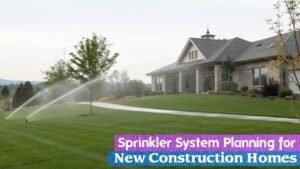
- Rotary Sprinklers or gear-driven rotors are ideal for large turfgrass areas.
- Smart Controllers automate watering using weather data and Evapotranspiration (ET).
When these are designed around hydrozones, water waste drops fast and plant health improves. Simple logic. Proven results.
Why Choosing the Wrong Irrigation System Causes Water Waste
Most lawns fail because everything is watered the same way. Grass gets too little. Shrubs get too much. Soil stays wet. Roots suffer.
This usually leads to:
- Higher water bills
- Runoff on sidewalks
- Brown lawn patches
- Root rot in garden beds
The fix is understanding how your landscape behaves, not guessing.
How Hydrozones Decide the Best Irrigation Setup
Hydrozoning means grouping plants with similar water needs on the same valve. Turfgrass is one hydrozone. Shrubs are another. Trees often need their own. Grass prefers shallow, frequent watering. Shrubs and trees need deeper, slower soaking. Mixing them never works well, trust me. This is also where system choice starts to become obvious.
How Soil, Slope, and Drainage Change Everything
Soil Type Matters More Than You Think
- Sandy soil drains fast. It needs short, frequent cycles.
- Clay soil absorbs slowly and causes runoff if watered too quickly.
- Loam soil is balanced and easier to manage.
Low-precipitation devices like drip emitters or rotary nozzles work best on heavy soils.
Slope and Elevation Problems Explained
Sloped yards create pressure differences. Water always moves downhill. This causes low head drainage, which happens when water inside the pipes drains out of the lowest sprinkler head after the zone shuts off. You’ll see puddles even when the system is off. The only fix is installing Check Valves or sprinkler heads with internal seals. No shortcuts here. This is a design issue, not a leak.
How Climate Patterns Influence Irrigation Choices
Hot, windy conditions increase evaporation. Cooler regions reduce it. Systems must adapt. Subsurface Drip Irrigation (SDI) is growing fast in drought-prone, high-heat regions. It places emitters 4–6 inches below the soil, eliminating wind drift and surface evaporation almost entirely. In moderate climates, Rotary Sprinklers with proper spacing still perform well, especially on larger lawns. Seasonal watering schedules and winterization needs should always be planned from day one.
Drip Irrigation vs Sprinklers vs Soaker Hoses
| System Type | Best Use Case | Efficiency | Key Advantage |
|---|---|---|---|
| Drip Irrigation | Gardens, shrubs, trees | 90%+ | Direct root-zone watering |
| Sprinkler Systems | Large lawns | Medium | Uniform turf coverage |
| Soaker Hoses | Raised beds | Medium–High | Simple DIY solution |
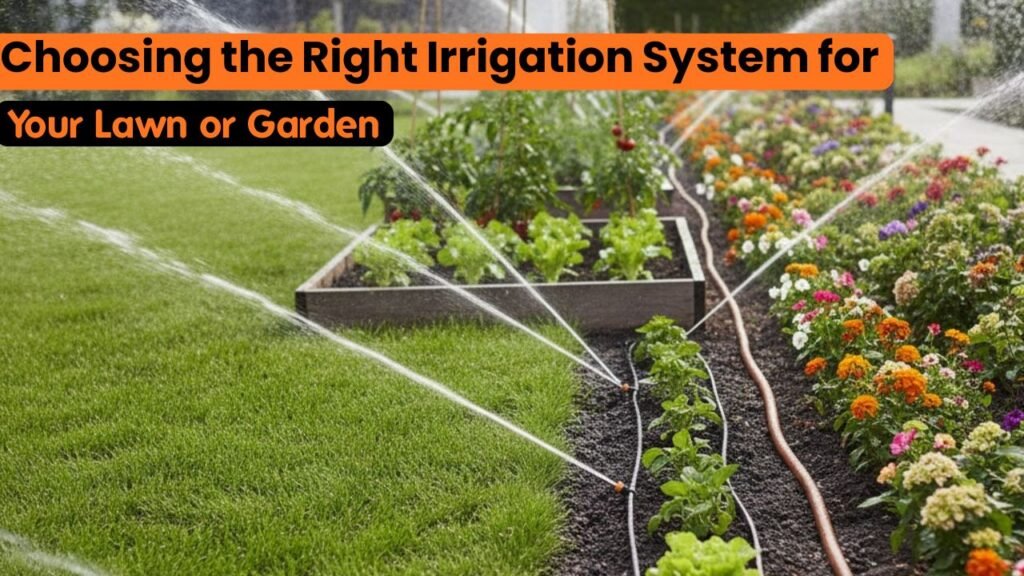
Each one solves a different problem. Mixing systems across zones is normal and recommended.
When to Choose Drip Irrigation vs Soaker Hoses
Drip Irrigation uses emitters to deliver precise amounts of water. It keeps foliage dry and reduces disease. It’s ideal for vegetables, shrubs, and perennials. Soaker hoses are easier to install but less precise. Pressure drops over long runs. Water distribution can be uneven. Important detail many miss:
Drip systems require a pressure regulator set to 25–30 PSI. Without it, emitters fail early.
Why Rotary Sprinklers Work Better Than Fixed Spray Heads
Rotary Sprinklers apply water slowly. This reduces runoff and improves infiltration. When selecting rotary nozzles, always ensure a Matched Precipitation Rate (MPR). This ensures every part of the lawn receives the same amount of water, regardless of arc or distance. Fixed Spray Heads still exist, but they waste more water on slopes and compacted soil. Sprinkler systems usually require 30–50 PSI to operate correctly.
Reducing Water Bills with EPA WaterSense Smart Controllers
Smart Controllers decide when to water, not how. They use:
- Local weather data
- Rain sensors
- Evapotranspiration (ET) rates
- Soil moisture sensors
When ET demand is low or rain is detected, watering stops automatically. Controllers certified under EPA WaterSense meet strict efficiency standards and often qualify for rebates. They also help comply with watering restrictions without manual changes.
Managing Water Pressure (PSI) for Long-Term Reliability
Pressure problems destroy irrigation systems quietly.
- Drip irrigation: 25–30 PSI with a regulator
- Sprinklers: 30–50 PSI depending on nozzle type
Too much pressure cracks fittings. Too little causes dry spots. A basic pressure gauge at the mainline saves money long term.
Backflow Protection Is Not Optional
Every irrigation system must include proper backflow protection. The most common options are:
- Pressure Vacuum Breakers (PVB)
- Reduced Pressure Zone (RPZ) valves
These devices prevent contaminated water from flowing back into the main supply. They’re required by municipal codes and inspected regularly.
The Irrigation Selection Checklist
- Categorize plants into distinct hydrozones.
- Analyze soil drainage and slope characteristics.
- Select hardware (Drip vs Sprinkler) based on plant needs.
- Verify PSI and install required pressure regulators.
- Automate with an EPA WaterSense smart controller.
This checklist removes guesswork and prevents costly redesigns.
Common Installation and Maintenance Mistakes to Avoid
- Mixing drip and sprinklers on the same valve
- Skipping check valves on slopes
- Ignoring pressure regulation
- Forgetting seasonal winterization
Summary: Which Irrigation System Should You Install?
For most homes with both lawn and garden areas, a hybrid system works best. Use rotary sprinklers for turf, drip irrigation for beds, and connect everything to a smart controller. This setup saves water, lowers bills, and keeps plants healthy without constant adjustments.
Final Thoughts
What is the most efficient irrigation system?
Drip irrigation is the most efficient, delivering water directly to the root zone with over 90% efficiency.
Can I mix drip and sprinklers on the same zone?
No. They require different PSI and flow rates, so they must be installed on separate valves.