Introduction – Clay vs Sandy Soil Irrigation Strategy
Clay vs Sandy Soil Irrigation Strategy is one of the most important yet overlooked aspects of landscape watering. Many irrigation systems fail not because of equipment problems, but because watering schedules ignore soil type. Two lawns can receive identical watering and still produce completely different results simply due to soil composition.
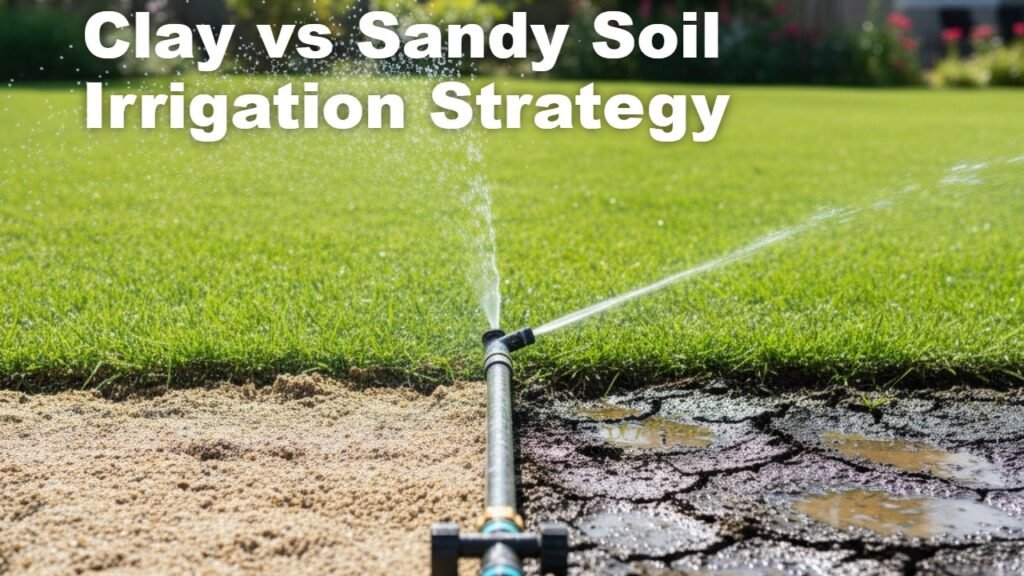
Soil determines how quickly water enters the ground, how long it stays available to roots, and how efficiently plants can use it. Homeowners often respond to dry grass by increasing runtime, while property managers adjust sprinkler heads or pressure. The real issue is frequently mismatched irrigation timing.
Understanding how clay and sandy soils behave allows you to water correctly, prevent runoff, and protect root health.
Why Soil Type Matters in Irrigation
Every irrigation schedule should begin with soil analysis. Soil controls infiltration rate, drainage, oxygen availability, and nutrient movement.
Key differences:
- Clay soil holds water tightly
- Sandy soil drains rapidly
- Loam soil balances both
When watering ignores soil behavior, landscapes experience either saturation or drought stress.
Understanding Clay Soil
This YouTube video below from Blue Duck Lawn Care explains clay soil and how it affects water absorption and root growth. It shows common issues like compaction and drainage. The overview helps readers understand how to manage clay soil for healthier lawns.
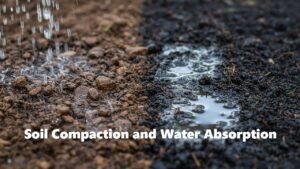
Clay soil consists of extremely small particles packed closely together. These particles create minimal pore space.
Characteristics of Clay Soil
- Slow water absorption
- High water retention
- Poor aeration
- Compaction-prone
- Slow drainage
Water struggles to enter clay soil initially, but once absorbed, it remains for long periods.
How Clay Soil Affects Irrigation
Clay soil presents a unique challenge. Sprinklers may run, yet water pools on the surface because infiltration is slow.
Common problems:
- Standing water
- Runoff onto sidewalks
- Root suffocation
- Fungal disease
The issue is not lack of watering — it is excessive water applied too quickly.
Proper Watering Strategy for Clay Soil
The correct Clay vs Sandy Soil Irrigation Strategy requires adjusting watering cycles rather than volume.
Use Cycle-and-Soak Method
Instead of long watering sessions, break irrigation into short cycles.
Example:
- 5–7 minute watering
- 30–60 minute soak period
- Repeat cycles
This allows water to infiltrate gradually without runoff.
Recommended Practices
- Water deeply but slowly
- Allow soil to absorb between cycles
- Irrigate early morning
- Avoid daily watering
Clay soil needs time, not more water.
Understanding Sandy Soil
This YouTube video below from John & Bob’s Smart Soil Solutions explains how to fix sandy soil using natural methods. It covers ways to improve water retention and soil structure. The tips help readers build healthier soil for stronger plant growth.
Sandy soil contains large particles with significant spacing between them. Water flows through rapidly.
Characteristics of Sandy Soil
- Fast infiltration
- Low water retention
- High aeration
- Minimal compaction
- Nutrient leaching
Water penetrates quickly but does not remain in the root zone long.
How Sandy Soil Affects Irrigation
Sandy soil rarely produces runoff. Instead, the problem is moisture loss.
Typical issues:
- Rapid drying
- Frequent wilting
- Shallow root systems
- Increased watering frequency
Plants often appear drought-stressed even when watering is regular.
Proper Watering Strategy for Sandy Soil
Clay vs Sandy Soil Irrigation Strategy differs dramatically here.
Frequent, Short Irrigation
Sandy soil requires more frequent watering because water drains below roots.
Recommended approach:
- Short watering cycles
- More frequent scheduling
- Moderate depth watering
The goal is to keep moisture consistently available rather than soaking deeply once.
Comparing Clay and Sandy Soil Behavior
| Property | Clay Soil | Sandy Soil |
|---|---|---|
| Absorption Rate | Slow | Fast |
| Water Retention | High | Low |
| Drainage | Poor | Excellent |
| Aeration | Limited | High |
| Runoff Risk | High | Low |
| Irrigation Frequency | Infrequent | Frequent |
This contrast explains why a single irrigation schedule never works for both.
Root Growth Differences
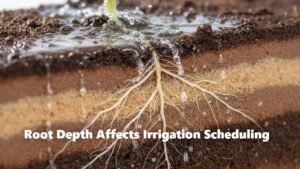
Roots respond to soil moisture patterns.
In Clay Soil
Roots stay shallow if soil stays saturated. Oxygen levels are limited.
In Sandy Soil
Roots grow deeper searching for moisture but may suffer drought stress.
A proper Clay vs Sandy Soil Irrigation Strategy promotes balanced root development.
Sprinkler System Adjustments
Irrigation hardware should match soil behavior.
For Clay Soil
- Low precipitation nozzles
- Rotary heads preferred
- Reduced flow rate
For Sandy Soil
- Spray heads acceptable
- Short cycle programming
- Moisture monitoring helpful
Matching equipment prevents water waste.
Preventing Runoff and Water Loss
Clay Soil Solutions
- Aeration
- Organic matter addition
- Grading correction
- Slower irrigation cycles
Sandy Soil Solutions
- Compost incorporation
- Mulching
- Increased watering frequency
- Soil moisture retention amendments
Soil improvement strengthens irrigation efficiency.
Seasonal Considerations
Weather affects both soil types differently.
Summer
Clay soils retain heat and moisture. Reduce watering frequency.
Sandy soils dry quickly. Increase monitoring.
Winter
Clay soil may remain saturated longer. Avoid overwatering.
Sandy soil may still require occasional irrigation during drought.
Common Mistakes Property Owners Make
Avoid these errors:
- Using identical watering schedules for all areas
- Watering longer instead of adjusting frequency
- Ignoring runoff
- Assuming brown grass needs more water
Correct irrigation timing matters more than irrigation volume.
Soil Testing Methods
You can determine soil type easily.
Jar Test
- Fill jar with soil and water
- Shake vigorously
- Let settle 24 hours
Sand settles first, silt second, clay last.
Infiltration Test
Pour water on ground:
- Pools = clay soil
- Disappears quickly = sandy soil
Knowing soil type guides irrigation decisions.
Improving Soil Performance
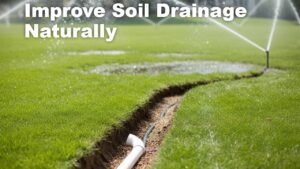
Even difficult soil can improve.
Improving Clay Soil
- Core aeration
- Compost incorporation
- Avoid compaction
Improving Sandy Soil
- Add organic matter
- Use mulch
- Apply soil conditioners
Soil structure changes irrigation efficiency dramatically.
Practical Irrigation Scheduling Example
Clay Lawn
- 2–3 watering days per week
- Multiple short cycles
Sandy Lawn
- 4–6 watering days per week
- Short single cycles
The total water applied may be similar, but timing differs.
Water Conservation Benefits
Following the correct Clay vs Sandy Soil Irrigation Strategy:
- Reduces water waste
- Improves plant health
- Prevents disease
- Lowers utility bills
- Extends irrigation system life
Efficiency depends on matching soil physics to watering practices.
FAQs
Which soil needs more water?
Sandy soil needs more frequent watering, not more total water.
Why does my clay lawn flood?
Water is applied faster than the soil can absorb.
Can soil type change?
Yes. Organic matter gradually improves both clay and sandy soils.
Should I water at night?
Early morning is best to reduce evaporation and disease risk.
Does aeration help clay soil?
Yes. Aeration increases infiltration and root oxygen.
Conclusion
Clay vs Sandy Soil Irrigation Strategy is fundamental to effective landscape management. Irrigation success depends less on how much water you apply and more on how well watering aligns with soil behavior.
Clay soils need slow, infrequent watering that allows absorption without runoff. Sandy soils need consistent, shorter watering cycles that maintain root moisture. Applying identical irrigation schedules to different soils guarantees inefficiency.
Homeowners and property managers who adjust watering based on soil type conserve water, strengthen turf, and reduce maintenance costs. Proper soil-specific irrigation transforms watering from guesswork into a predictable, efficient system.