A sprinkler breaks and suddenly you’re doing math in your head. A flooded lawn. A dead zone that won’t green up. A quote that feels high for “just a sprinkler.” You’re not alone. This is exactly the moment homeowners pause and weigh DIY vs. professional sprinkler repair.
This guide is built to help you decide fast, with confidence. It answers real questions. It shows where DIY saves money and where it quietly creates bigger problems. I’ve worked around irrigation content and systems for decades, and the pattern never changes. The right choice depends on location of the problem, not your confidence level. Let’s start with the decision most people want upfront.
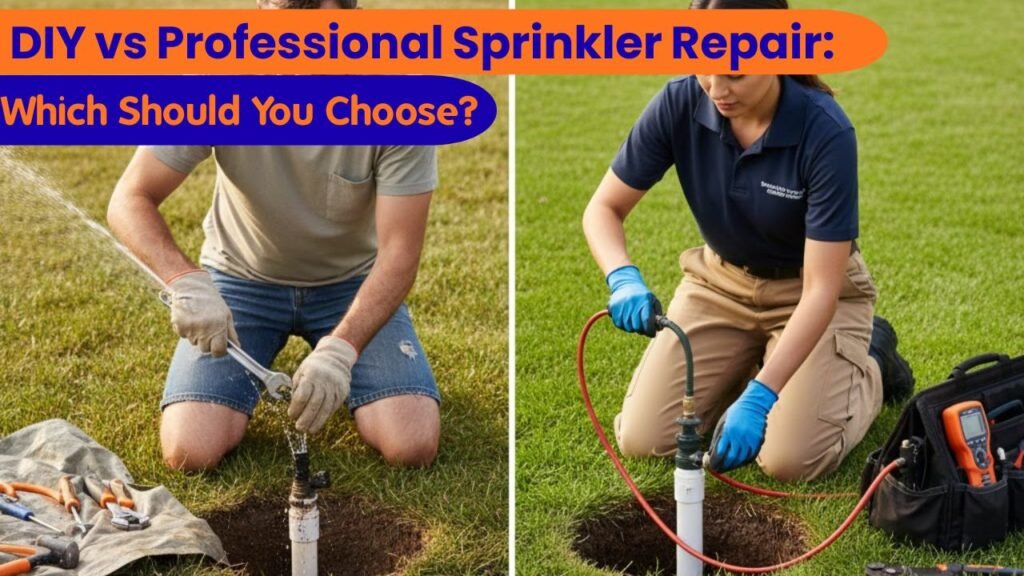
DIY vs. Professional Sprinkler Repair: Quick Decision Table
| Problem Type | Difficulty | Estimated Repair Time | Recommended Fixer |
|---|---|---|---|
| Clogged nozzle | Easy | 10–15 minutes | ✅ DIY |
| Broken sprinkler head | Easy | 20–30 minutes | ✅ DIY |
| Cracked lateral line (after valve) | Medium | 1–2 hours | ⚠️ DIY / Caution |
| Zone valve won’t shut off | Medium–High | 1–3 hours | ❌ Pro |
| Main line leak (before valve) | High | 3+ hours | ❌ Pro |
| Backflow preventer issue | Very High | N/A | ❌ Licensed Pro |
| Controller or wiring failure | High | 2+ hours | ❌ Pro |
If you’re asking, “Is this worth my Saturday?” this table usually answers it.
How Much Does Professional Sprinkler Repair Cost?
In 2025, professional sprinkler repair typically costs between $150 and $400.
That price usually includes:
- A service call
- A diagnostic fee (to locate the issue)
- Labor and parts
Many contractors separate the diagnostic fee from the service call. Here’s the good part. Most professionals waive the diagnostic fee if you approve the repair. That’s common practice and worth asking about.
DIY repairs for simple head or nozzle issues usually cost under $30.
Money matters. But it’s not the only cost.
DIY vs. Professional Costs: What You’re Really Paying For
DIY Sprinkler Repair Costs (The Obvious Ones)
DIY looks affordable because the parts are cheap.
- Spray heads: $5–$30
- Nozzles and filters: $2–$10
- PVC fittings or swing pipe: minimal
The hidden cost is your time. Learning. Digging. Fixing. Testing. Fixing again sometimes.
DIY works best when:
- The issue is above ground
- Water pressure is controlled
- A mistake won’t damage property
Professional Repair Costs
Professional repairs cost more because they include protection.
- Minimum service fee regardless of fix size
- Experience diagnosing fast
- Liability coverage
- Labor guarantee
Parts quality also differs.
Pros install contractor-grade components with UV-rated plastics, like Rain Bird 1800-SAM or Hunter Pro-Spray bodies. Many retail versions use standard plastics that degrade faster. That difference matters long term.
Pro-Safety Command
Always locate your Main Water Shut-off Valve before starting any irrigation repair.
If a pipe bursts under pressure, knowing how to kill the water in seconds is the difference between a small headache and a flooded basement. This step gets skipped too often.
Now let’s talk complexity, the part that decides everything.
The Line of Complexity: What You Can Fix vs. What You Shouldn’t
Understanding irrigation plumbing makes this clearer.
- Lateral lines run after the zone valve. They only see water when the zone runs.
- Main lines run before the valve. They are under constant pressure.
A leak before the valve is always more dangerous.
Scenario A: You Hit a Pipe While Digging
Water sprays, but only when that zone runs.
This is usually a lateral line.
Why DIY can work here:
- Pressure is limited
- The system can be shut off
- Repairs stay localized
A clean cut, proper coupling, and patience usually solve it.
If you’ve identified this as a green-light repair, fix it carefully.
If you see water pooling near your foundation, skip ahead to the “How to Find a Pro” section immediately.
Scenario B: The Zone Runs Even When the Controller Is Unplugged
This feels confusing, but it’s actually clear.
If the controller is unplugged and water still runs, it’s a mechanical failure, not electrical.
That confirms the valve diaphragm is stuck open from debris or age. The solenoid didn’t cause it.
This is where many DIY attempts go wrong. Excavation and valve work can snowball fast. Calling a pro here usually saves money.
Is It Illegal to Repair Your Own Sprinkler Backflow Preventer?
Short answer: Often, yes.
Backflow preventers protect drinking water. In many states, repairing or modifying one without a license violates regulations tied to the Safe Drinking Water Act.
In states like Texas, Florida, and North Carolina, homeowners are not allowed to service backflow assemblies themselves. These devices connect directly to the municipal supply.
Improper repair risks:
- Cross-contamination
- Failed inspections
- Fines
- Insurance denial
This is a hard stop. Always call a licensed professional for backflow issues.
Hidden DIY Costs Most Homeowners Don’t See Coming
DIY fails more from missing tools than missing skill.
Specialized tools professionals already own:
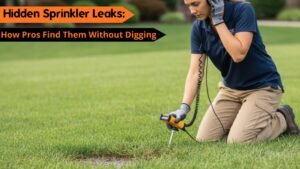
- Valve locators
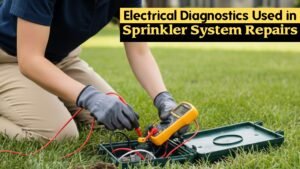
- Station ohmmeters
- Wire tracers
- Pressure gauges
Buying or renting these often costs more than a single professional visit. That’s when DIY stops making sense.
DIY vs. Professional Sprinkler Repair: Clear Comparison
| Feature | DIY Repair | Professional Service |
|---|---|---|
| Initial Cost | Low | Higher |
| Time Investment | High | Low |
| Parts Quality | Standard plastics | UV-rated plastics |
| Warranty | None | 90 days–1 year |
| Risk Level | Medium–High | Low |
| Long-Term ROI | Good for small fixes | Better for major repairs |
DIY saves money early. Pros reduce risk later.
5 Signs You Must Call a Pro
- Water runs nonstop and won’t shut off
- The main line leaks even when the system is off
- The backflow preventer is leaking or damaged
- Multiple zones fail at the same time
- Wiring faults can’t be traced with basic testing
If you see any of these, stop digging.
How much does sprinkler repair usually cost?
$150–$400 professionally. Simple DIY repairs often stay under $30.
Does homeowners insurance cover sprinkler leaks?
Usually no for wear and tear. Sometimes yes for sudden pipe bursts that damage the structure or foundation.
Can I mix spray heads and rotor heads in one zone?
No. Different flow rates cause pressure imbalance and poor coverage.
Can I just cap off a broken sprinkler head?
Yes, as a temporary fix. Use a 1/2-inch or 3/4-inch PVC cap. Long term, dead ends cause pressure issues and debris buildup.
Final Thoughts
DIY sprinkler repair is smart when the problem is simple, visible, and low risk. It saves money and feels good to finish.
But once constant-pressure pipes, valves, wiring, or backflow devices are involved, professional repair is the safer investment. Your time matters. Your property matters more.