Organic lawn care vs synthetic programs is one of the most important decisions homeowners and property managers face when planning turf maintenance. The choice affects soil health, long-term costs, environmental impact, and visual lawn quality.
Some property owners prioritize fast cosmetic results. Others focus on soil biology and long-term sustainability. Both approaches can produce attractive turf when applied correctly. However, they rely on very different philosophies and inputs.
Understanding how each program works allows you to select a strategy aligned with your property goals, budget, and maintenance expectations.
What Defines Organic Lawn Care?
This YouTube video below from Giroud Tree and Lawn explains the basics of organic lawn care and why it matters. It covers natural treatments, soil health, and safe maintenance practices. The overview helps readers understand eco-friendly ways to maintain a healthy lawn.
Organic lawn care focuses on improving soil biology rather than forcing rapid top growth. The goal is to build a living soil ecosystem that supports strong roots and resilient turf.
Organic programs rely on natural inputs and biological processes. Instead of synthetic chemicals, they use materials that enhance microbial activity and soil structure.
Typical organic inputs include:
- Compost and compost tea
- Natural fertilizers
- Seaweed extracts
- Humic substances
- Beneficial microbes
Organic strategies aim to improve long-term turf health rather than produce immediate visual results.
What Defines Synthetic Lawn Programs?
Synthetic lawn programs rely on manufactured fertilizers and targeted chemical controls. These products deliver nutrients directly to turfgrass for rapid growth and color improvement.
Synthetic inputs typically include:
- Nitrogen-based fertilizers
- Pre-emergent herbicides
- Post-emergent weed controls
- Fungicides
- Insecticides
These programs produce quick visual results and predictable performance. Many commercial properties rely on them to maintain consistent appearance across large landscapes.
Understanding the differences between organic lawn care vs synthetic programs helps clarify how each system functions.
Key Differences Between Organic and Synthetic Approaches
This YouTube video below from SpringGreen explains the differences between organic and synthetic fertilizers. It compares how each affects soil health, growth, and maintenance needs. The overview helps readers choose the right fertilizer approach for their lawn.
Both methods aim to maintain healthy turf. The difference lies in how they achieve that goal.
Soil Health Impact
Organic programs improve soil structure and microbial diversity over time. Healthy soil supports deeper roots and stronger stress tolerance.
Synthetic programs focus on delivering nutrients directly to grass blades. Soil improvement may occur indirectly, but it is not the primary objective.
Speed of Results
Synthetic fertilizers produce visible greening within days. Organic fertilizers release nutrients more slowly as microbes break them down.
Property managers seeking rapid improvement often choose synthetic programs. Long-term planners often prefer organic systems.
Environmental Considerations
Organic lawn care reduces chemical runoff and supports beneficial organisms. Synthetic programs require careful application to prevent nutrient leaching and water contamination.
The environmental discussion often drives the organic lawn care vs synthetic programs debate among homeowners.
Cost Comparison: Short-Term vs Long-Term Investment
Cost structures differ significantly between the two approaches.
Organic Program Costs
Organic materials may cost more per application. Results also take longer to appear. However, improved soil health can reduce long-term input needs.
Typical organic cost factors:
- Soil amendments
- Compost applications
- Microbial treatments
- Overseeding support
Long-term soil improvement can lower maintenance expenses over time.
Synthetic Program Costs
Synthetic fertilizers are often less expensive upfront. They deliver fast visual results and require fewer applications in some cases.
However, repeated chemical use may:
- Increase dependency on inputs
- Reduce microbial diversity
- Require ongoing weed control
Evaluating organic lawn care vs synthetic programs requires balancing short-term savings against long-term soil health.
Performance Under Stress Conditions
Turf durability depends heavily on root strength and soil structure.
Organic Program Performance
Organic lawns often develop deeper roots over time. Strong roots improve drought tolerance and reduce stress damage.
Benefits include:
- Better moisture retention
- Increased resilience
- Reduced compaction impact
However, transition periods can be slow while soil biology improves.
Synthetic Program Performance
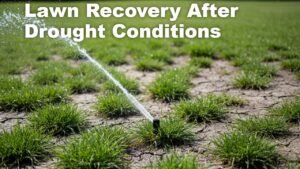
Synthetic programs deliver quick recovery after stress events. Fertilizers stimulate rapid growth and color restoration.
Challenges may include:
- Shallow root development
- Increased watering needs
- Higher disease susceptibility
Understanding stress performance clarifies the trade-offs in organic lawn care vs synthetic programs.
Weed and Pest Management Differences
Weed and pest control strategies vary significantly between programs.
Organic Control Methods
Organic programs focus on prevention through soil health and turf density. Strong turf naturally suppresses weeds.
Common organic tools include:
- Corn gluten meal
- Manual removal
- Cultural practices
- Biological controls
Results may take longer but support long-term balance.
Synthetic Control Methods
Synthetic programs use targeted herbicides and pesticides. These products deliver fast control and predictable outcomes.
They are often necessary in:
- Severe infestations
- Commercial properties
- High-visibility landscapes
The choice between control methods often drives decisions about organic lawn care vs synthetic programs.
Maintenance Requirements for Each Program
Maintenance expectations differ based on approach.
Organic Maintenance
Organic programs require patience and consistent soil improvement.
Typical tasks include:
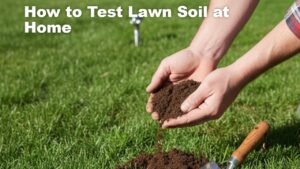
- Soil testing
- Compost applications
- Aeration
- Overseeding
Results improve gradually as soil health increases.
Synthetic Maintenance
Synthetic programs rely on scheduled applications.
Common tasks include:
- Fertilizer treatments
- Weed control
- Pest monitoring
- Irrigation management
These programs often deliver faster visual results with structured scheduling.
Environmental and Safety Considerations
Property owners increasingly consider environmental impact when choosing lawn care programs.
Organic systems support:
- Pollinator safety
- Soil biodiversity
- Reduced chemical runoff
Synthetic programs can remain safe when applied correctly. Professional application reduces risks and ensures compliance with regulations.
Evaluating organic lawn care vs synthetic programs often involves balancing environmental values with performance expectations.
Hybrid Programs: A Balanced Approach
This YouTube video below from SunCo Lawns introduces their organic-hybrid lawn care program. It explains how combining natural and synthetic treatments can improve soil and turf health. The overview helps readers understand a balanced approach to lawn maintenance.
Many professionals now recommend hybrid strategies. Hybrid programs combine organic soil-building practices with selective synthetic inputs when needed.
Benefits of hybrid programs include:
- Improved soil health
- Targeted weed control
- Balanced nutrient delivery
- Reduced chemical dependency
This approach offers flexibility for property managers managing diverse landscape conditions.
How to Choose the Right Program for Your Property
Decision-making should consider several factors.
Property Usage
High-traffic lawns may require faster recovery provided by synthetic inputs. Low-traffic residential lawns may thrive under organic management.
Budget
Organic programs may cost more initially but reduce long-term dependency on inputs. Synthetic programs provide predictable short-term budgeting.
Timeline Expectations
Property owners seeking immediate visual improvement often prefer synthetic programs. Long-term planners may choose organic strategies.
Environmental Goals
Sustainability priorities influence many decisions regarding organic lawn care vs synthetic programs.
Practical Implementation Tips
Regardless of program choice, several best practices apply.
- Conduct annual soil testing
- Aerate compacted areas
- Water deeply and infrequently
- Maintain proper mowing height
- Monitor turf health regularly
Consistent cultural practices improve results under both systems.
Frequently Asked Questions
Is organic lawn care more expensive?
Organic programs may cost more initially but can reduce long-term input needs as soil health improves.
Do synthetic programs damage soil?
Synthetic inputs do not inherently damage soil when applied correctly. Overuse can reduce microbial diversity over time.
Can I switch from synthetic to organic?
Yes. Transition periods may take one to two growing seasons while soil biology rebuilds.
Which program produces greener grass?
Synthetic fertilizers typically produce faster greening. Organic programs deliver gradual improvement.
Is a hybrid program effective?
Yes. Many professionals recommend hybrid systems for balanced performance and sustainability.
Conclusion
Choosing between organic and synthetic lawn care requires careful evaluation of goals, budget, and property use. Each approach offers distinct advantages and trade-offs. Organic programs build soil health and long-term resilience. Synthetic programs deliver fast visual results and predictable control.
Understanding organic lawn care vs synthetic programs allows homeowners and property managers to make informed decisions based on performance expectations and environmental priorities. Evaluate your landscape needs, maintenance capacity, and timeline carefully before selecting a program that supports durable, healthy turf for years to come.