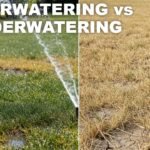
Overwatering vs Underwatering remains one of the most misdiagnosed lawn problems in residential and commercial landscapes. Property owners often respond to brown grass by adding more water, assuming drought stress is the culprit. In many cases, that reaction makes the problem worse.
Healthy turf depends on balanced soil moisture. Too little water limits growth and weakens roots. Too much water suffocates roots and promotes disease. Accurate visual diagnosis protects turf quality, soil structure, and long-term landscape investment.
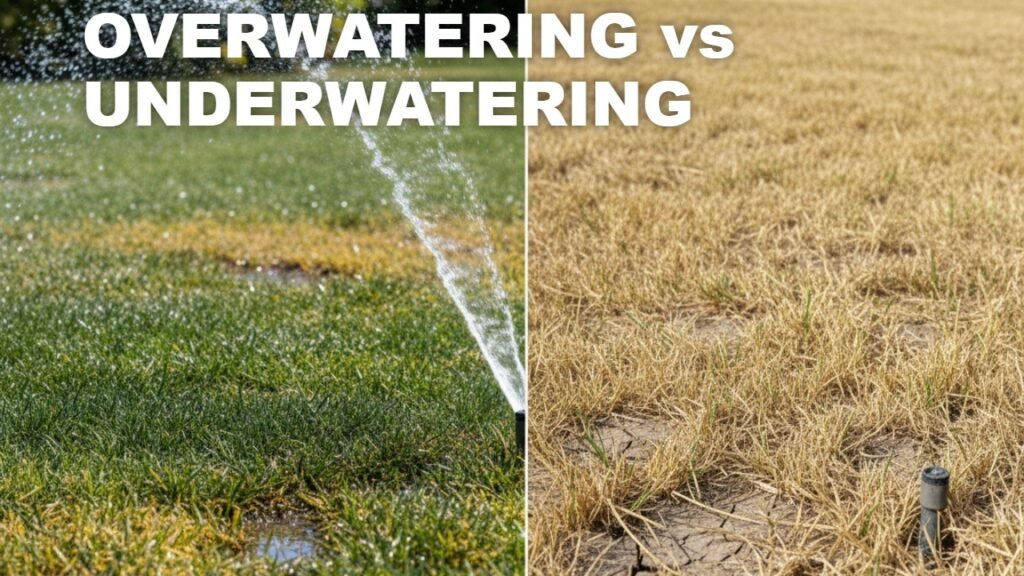
This guide explains how to visually distinguish between drought stress and excess irrigation using practical, field-based indicators.
This YouTube video below from Tips For Turf explains how to tell if your lawn is overwatered or underwatered. It shows visual signs like color, soil feel, and growth patterns. The guidance helps readers adjust watering habits for healthier turf.
Why Water Balance Determines Turf Performance
Water influences nearly every biological process inside turfgrass. Roots absorb moisture to transport nutrients upward. Leaves rely on water during photosynthesis. Soil microbes require adequate oxygen and moisture balance to remain active.
Imbalanced irrigation leads to:
- Reduced root depth
- Lower stress tolerance
- Increased disease pressure
- Nutrient loss through leaching
- Declining turf density
Understanding overwatering vs underwatering allows property managers to prevent structural lawn damage before it becomes costly.
How Turfgrass Responds to Water Stress
Water stress produces predictable plant responses. The difference lies in how roots and leaves react internally.
Underwatering: Drought Stress Response
When soil moisture declines below optimal levels, turfgrass shifts into conservation mode. Growth slows, and the plant prioritizes survival over appearance.
Key physiological responses include:
- Reduced chlorophyll production
- Slowed vertical growth
- Thinner leaf blades
- Increased root searching behavior
Prolonged drought shrinks the root system and weakens recovery capacity.
Overwatering: Oxygen Deprivation Response
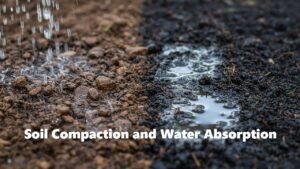
Excess irrigation fills soil pore space with water, eliminating oxygen availability. Roots require oxygen to function. Without it, root tissue begins to decay.
Common consequences include:
- Root suffocation
- Fungal pathogen development
- Nutrient leaching
- Soil compaction
Distinguishing overwatering vs underwatering begins at the root zone, not the leaf surface.
12 Clear Visual Signs to Diagnose Lawn Water Stress
This YouTube video below from HarrellsLLC explains how to identify water stress in turfgrass. It highlights visual signs like wilting, color change, and footprint marks. The insights help readers spot problems early and adjust irrigation correctly.
Visual inspection remains the most reliable first step in irrigation troubleshooting. The following signs help separate drought stress from excessive moisture.
1. Grass Color Changes
Color shifts offer early warning signals.
Underwatering typically produces:
- Bluish-gray tint
- Dull, faded appearance
- Straw-colored patches
Overwatering commonly causes:
- Pale green blades
- Yellowing across large areas
- Uneven discoloration patterns
Dry lawns appear stressed and crisp. Overwatered lawns often look faded and weak rather than dry.
2. The Footprint Test
Walking across the lawn provides immediate insight.
Signs of underwatering:
- Footprints remain visible
- Grass blades fail to rebound
Signs of overwatering:
- Footprints disappear quickly
- Surface feels soft or spongy
This quick field test effectively separates overwatering vs underwatering within seconds.
3. Soil Texture Examination
Soil condition confirms visual clues. Insert a screwdriver or soil probe several inches deep.
Dry soil characteristics:
- Hard resistance
- Visible cracking
- Dusty surface
Waterlogged soil characteristics:
- Muddy consistency
- Compacted feel
- Surface pooling
Soil texture rarely lies.
4. Root System Inspection
Lift a small turf sample to observe root health.
Underwatered lawns show:
- Shallow root systems
- Sparse root density
Overwatered lawns display:
- Darkened roots
- Mushy texture
- Early signs of rot
Root inspection provides definitive confirmation when evaluating overwatering vs underwatering.
5. Thatch Layer Development
Excess irrigation accelerates organic buildup near the soil surface.
Overwatering often results in:
- Thick, spongy thatch layers
- Reduced oxygen penetration
Underwatering usually produces:
- Thin but dry thatch
- Limited microbial activity
6. Disease Pressure
Moisture management strongly influences turf disease outbreaks.
Overwatered lawns frequently develop:
- Brown patch
- Pythium blight
- Dollar spot
Dry lawns rarely support aggressive fungal spread. Persistent disease signals irrigation imbalance.
7. Weed Patterns
Weeds often expose hidden watering errors.
Underwatering encourages:
- Crabgrass
- Spurge
Overwatering promotes:
- Nutsedge
- Moss growth
Weed presence often clarifies overwatering vs underwatering when turf symptoms overlap.
8. Growth Rate and Mowing Frequency
Irrigation affects growth speed.
Underwatered lawns show:
- Slower vertical growth
- Reduced mowing demand
Overwatered lawns exhibit:
- Rapid top growth
- Frequent mowing needs
- Soft, weak blades
Fast growth combined with pale color usually indicates excessive irrigation.
9. Soil Odor Indicators
Healthy soil smells earthy.
Overwatered soil may produce:
- Sour odor
- Musty smell
- Anaerobic scent
Dry soil carries minimal odor. Smell adds another layer to diagnosis.
10. Runoff and Pooling
Observe irrigation cycles closely.
Underwatered soil absorbs water quickly without pooling.
Overwatered areas display:
- Surface runoff
- Water accumulation near sidewalks
- Puddles remaining after cycles
Pooling confirms oversaturation.
11. Blade Texture
Physical feel reveals hydration status.
Dry turf feels:
- Brittle
- Sharp-edged
- Fragile
Overwatered turf feels:
- Limp
- Soft
- Weak under pressure
Texture testing supports visual inspection.
12. Seasonal Context
Environmental timing matters.
Summer heat often intensifies drought stress.
Spring rainfall frequently causes excess moisture conditions.
Seasonal analysis improves accuracy when diagnosing overwatering vs underwatering.
Common Causes of Underwatering
Chronic drought stress typically results from management or soil limitations.
Primary causes include:
- Infrequent irrigation cycles
- Poor sprinkler coverage
- Compacted soil restricting absorption
- Sandy soil with rapid drainage
- High heat and wind exposure
Deep and infrequent watering encourages stronger root development.
Common Causes of Overwatering
Excess irrigation often stems from scheduling habits.
Frequent contributors include:
- Daily automatic sprinkler cycles
- Failure to adjust for rainfall
- Poor drainage conditions
- Clay-heavy soil retention
- Overcorrection after brown patches appear
Understanding these triggers prevents repeated imbalance.
Correcting Underwatering
Address drought stress strategically.
Recommended steps:
- Apply 0.5–1 inch of water per session
- Increase interval between watering cycles
- Aerate compacted areas
- Monitor soil moisture depth
Encouraging deeper roots improves resilience.
Correcting Overwatering
Reducing excess moisture requires structural adjustment.
Practical corrections include:
- Temporarily pausing irrigation
- Core aeration to restore airflow
- Adjusting controller schedules
- Implementing cycle-and-soak watering
- Monitoring for fungal disease
Smart irrigation practices eliminate confusion around overwatering vs underwatering.
Recommended Weekly Water Requirements
Most cool-season grasses require approximately 1–1.5 inches of water weekly. Warm-season varieties may need slightly less once established.
Water demand varies based on:
- Soil type
- Sun exposure
- Temperature
- Wind
- Turf species
Use a rain gauge to measure actual output rather than guessing.
Frequently Asked Questions
How can I quickly identify overwatering vs underwatering?
Perform the footprint test and inspect soil moisture depth. Texture and rebound behavior provide immediate clues.
Can overwatering permanently damage a lawn?
Yes. Prolonged saturation leads to root rot and severe fungal outbreaks.
Is brown grass always a sign of drought?
No. Brown discoloration can occur from both drought stress and root suffocation.
How often should irrigation run?
Water deeply once or twice per week instead of daily shallow cycles.
Does soil type influence watering frequency?
Absolutely. Sandy soils drain quickly, while clay soils retain moisture longer.
Conclusion
Effective lawn management begins with accurate visual diagnosis. Turfgrass communicates stress clearly when you know what to observe. Proper moisture balance strengthens roots, improves resilience, and protects landscape value.
Mastering overwatering vs underwatering allows you to move from guesswork to precision irrigation. Evaluate your lawn closely, adjust strategically, and explore advanced irrigation tools to maintain consistent turf performance year-round.