Soil Compaction and Water Absorption Explained
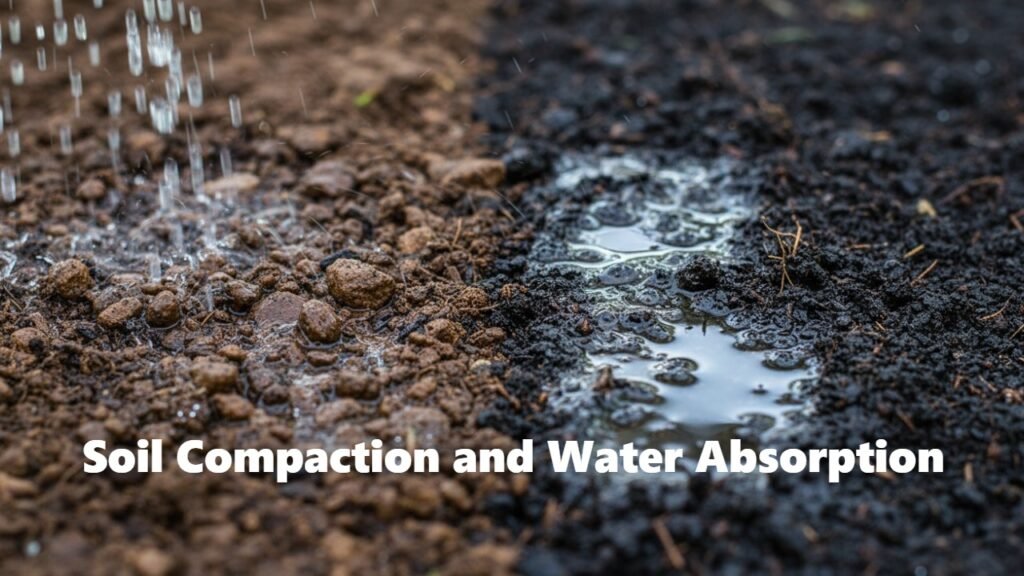
Soil compaction and water absorption shape the health of every lawn, garden, and landscape. Dense soil blocks water from moving underground. Roots struggle to grow. Grass weakens and becomes patchy.
Homeowners often increase watering when turf looks dry. That response seems logical but worsens the issue. Water pools at the surface instead of soaking in. Property managers face the same challenge across high-traffic areas.
Understanding how soil behaves below ground helps prevent costly landscape problems. This guide breaks down the science, warning signs, and proven fixes.
What Is Soil Compaction?
Soil compaction occurs when soil particles press tightly together. Air spaces shrink. Water pathways disappear. Roots lose room to grow.
Healthy soil contains space for air, water, and organisms. Compacted soil becomes dense and hard. Water sits on top or runs off.
Heavy pressure from traffic or equipment triggers compaction. Clay soils compact faster than sandy soils. Once compacted, soil structure becomes difficult to restore.
This YouTube video below from Ag PhD explains what soil compaction is and how it affects plant growth. It shows how compacted soil limits root development and water movement. The overview helps readers understand why aeration and proper soil care matter.
How Water Absorption Works in Healthy Soil
Water absorption depends on pore space. Pores allow water to enter and move downward. Roots absorb moisture and nutrients through these channels.
Balanced soil structure allows:
- Steady water infiltration
- Even moisture distribution
- Strong root development
- Healthy microbial activity
When soil compaction and water absorption fall out of balance, the entire landscape suffers. Grass may look dry even after watering. Fertilizer becomes less effective.
The Science Behind Soil Compaction and Water Absorption
Water enters soil through infiltration. It then moves downward through percolation. Compacted soil slows both processes.
Dense soil also limits oxygen. Roots need oxygen to survive. Without airflow, root systems weaken. Disease risk increases.
Over time, compacted soil forms a barrier layer. Water remains near the surface. Evaporation increases.
This cycle wastes water and reduces lawn resilience.
Common Causes of Soil Compaction
Many properties experience compaction due to everyday activity.
Foot Traffic
Frequent walking compresses soil gradually. Play areas and pathways compact first.
Construction Work
Equipment and materials compress soil deeply. Damage may extend several inches below the surface.
Heavy Equipment
Lawn mowers and vehicles create repeated pressure. Wet soil compacts faster than dry soil.
Clay Soil Composition
Clay particles pack tightly. Once compacted, clay becomes extremely hard.
Overwatering
Too much water weakens soil structure. Shallow watering encourages surface compaction.
Each of these factors affects soil compaction and water absorption directly.
Warning Signs of Compacted Soil
Your lawn reveals problems quickly.
Watch for:
- Water pooling after irrigation
- Patchy grass growth
- Yellowing turf
- Hard soil surface
- Runoff onto sidewalks
- Shallow roots
Standing water often signals poor infiltration. Uneven growth suggests roots cannot expand properly.
Why Soil Compaction Affects Irrigation Efficiency
Irrigation systems rely on proper absorption. When soil becomes dense, sprinklers cannot deliver water effectively.
Water may:
- Run off into drains
- Evaporate quickly
- Saturate only the surface
- Fail to reach roots
Homeowners often increase watering time. That change wastes water and money. Property managers face higher utility costs and maintenance expenses.
Efficient irrigation requires healthy soil structure.
The Cost of Ignoring Soil Compaction
Ignoring soil compaction and water absorption issues leads to long-term damage.
Common costs include:
- Higher water bills
- Lawn replacement
- Drainage repairs
- Soil restoration
- Increased maintenance
Poor soil conditions also affect property value. Healthy landscapes improve curb appeal and tenant satisfaction.
How to Test for Soil Compaction
You can check soil health with simple methods.
Screwdriver Test
Push a screwdriver into moist soil. Resistance near the surface suggests compaction.
Water Infiltration Test
Pour water onto a small area. Measure how long it takes to soak in. Slow absorption indicates dense soil.
Core Sampling
Remove a soil plug. Examine root depth and soil texture. Healthy soil allows deep roots.
Professional testing offers detailed analysis when needed.
Solutions to Improve Soil Compaction and Water Absorption
Fixing soil structure requires consistent action.
Core Aeration
Core aeration removes plugs of soil. Open spaces allow water and air to enter.
Benefits include:
- Better water infiltration
- Stronger roots
- Reduced runoff
- Improved nutrient uptake
Annual aeration keeps soil loose and healthy.
Add Organic Matter
Compost improves soil structure. Organic material creates stable aggregates.
Apply compost after aeration. Water lightly to settle material. This process boosts microbial activity.
Organic matter enhances soil compaction and water absorption over time.
Adjust Irrigation Practices
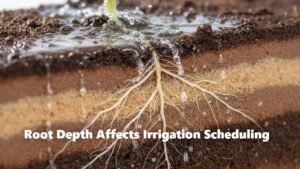
Deep watering encourages roots to grow downward. Short watering cycles increase surface compaction.
Use cycle-and-soak scheduling to prevent runoff. Smart controllers adjust watering based on weather.
Efficient watering protects soil structure.
Reduce Traffic Pressure
Redirect foot traffic using paths or stepping stones. Limit heavy equipment use on wet soil.
Compacted soil worsens when pressure repeats over time.
Improve Drainage
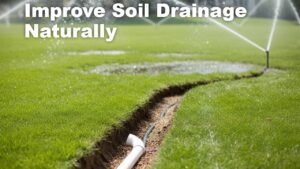
Persistent pooling may require grading adjustments. Drainage systems help move excess water away.
Proper drainage protects soil health and prevents erosion.
Clay vs Sandy Soil Compaction
This YouTube video below from Mr Ag Science compares sandy soil and clay soil and how each affects water retention. It explains drainage, texture, and plant growth differences. The overview helps readers adjust irrigation and soil care based on soil type.
Clay soil compacts easily. It holds water but absorbs slowly. Aeration and organic matter help improve structure.
Sandy soil drains quickly but resists severe compaction. However, it may need organic matter to retain moisture.
Understanding soil type helps guide irrigation and maintenance decisions.
Seasonal Maintenance Tips
Seasonal care prevents compaction buildup.
- Aerate during active growth seasons
- Avoid heavy traffic on wet lawns
- Adjust watering for weather changes
- Apply compost annually
- Inspect irrigation systems regularly
Routine care protects soil structure year-round.
Long-Term Prevention Strategy
Maintaining healthy soil requires consistent monitoring.
Follow these steps:
- Schedule annual aeration
- Maintain proper watering cycles
- Use mulch to reduce surface pressure
- Monitor runoff after rainfall
- Test soil regularly
Preventive action costs less than repairs.
FAQs
What is soil compaction?
Soil compaction occurs when soil becomes dense and reduces pore space for water and air.
How does compaction affect water absorption?
Dense soil blocks water movement. Water stays on the surface or runs off.
Can compaction damage grass roots?
Yes. Compacted soil restricts root growth and reduces oxygen levels.
How often should lawns be aerated?
Most lawns benefit from yearly aeration. High-traffic areas may need more frequent treatment.
Does soil type affect compaction?
Clay soils compact faster than sandy soils. Soil type determines treatment approach.
Conclusion
Soil compaction and water absorption determine how well your landscape performs. Healthy soil allows water to move freely and roots to grow deeply. Compacted soil blocks both.
Homeowners and property managers who understand soil structure make better irrigation decisions. Regular aeration, proper watering, and organic matter restore balance.
Investing in soil health improves lawn quality, reduces water waste, and protects property value for years to come.