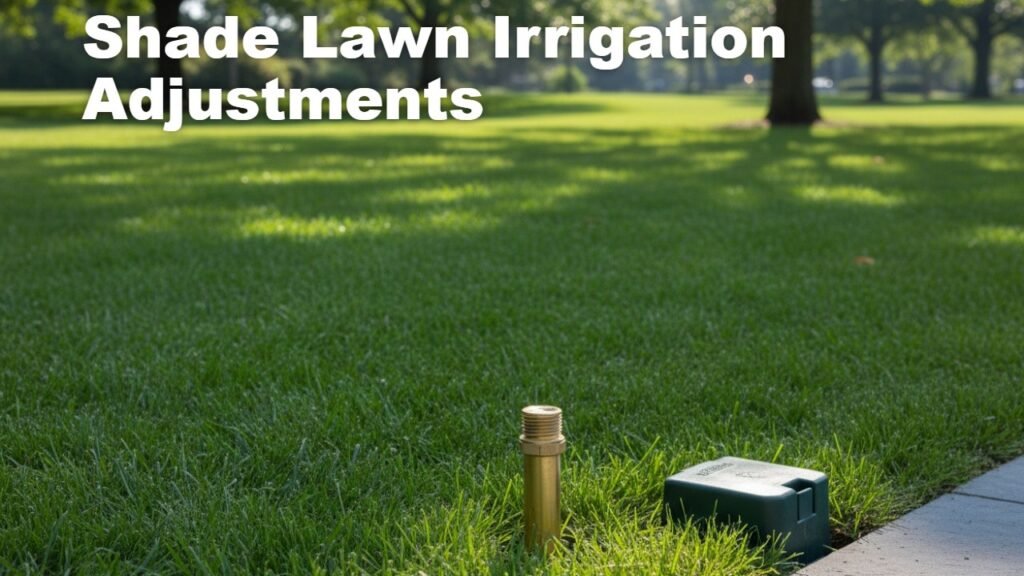
Shade lawn irrigation adjustments are essential for maintaining healthy turf in areas that receive limited sunlight. Many irrigation systems treat shaded lawns the same as full-sun zones. This approach leads to chronic overwatering, shallow roots, and increased disease pressure.
Shaded turf grows more slowly and loses less moisture through evaporation. Soil remains cooler and retains water longer. Without proper adjustments, irrigation schedules deliver more water than the lawn needs. Over time, this imbalance weakens grass and creates ideal conditions for fungal problems.
Property managers and homeowners must understand how shade changes water demand. Tailoring irrigation practices to shaded environments protects turf health and prevents unnecessary water waste.
Why Shaded Lawns Need Different Irrigation
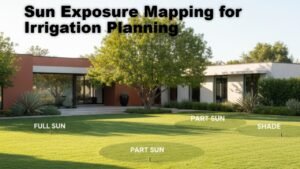
Shade alters the microclimate around turfgrass. Reduced sunlight slows evaporation and lowers soil temperature. As a result, shaded lawns require less frequent watering than sun-exposed areas.
Ignoring this difference causes soil saturation. Roots struggle to access oxygen in waterlogged soil. Grass becomes thin and vulnerable to disease.
Shade lawn irrigation adjustments ensure watering matches actual plant needs rather than relying on uniform scheduling.
Key Differences Between Sun and Shade Zones
Understanding these differences improves irrigation accuracy:
- Shaded lawns dry more slowly
- Soil temperatures remain cooler
- Evapotranspiration rates decrease
- Root growth patterns change
- Disease risk increases with excess moisture
Adjusting irrigation settings based on these factors supports consistent turf performance.
Common Problems in Shaded Lawn Areas
Many shaded lawns show decline despite regular watering. Overwatering often hides behind surface symptoms.
Signs of Poor Irrigation in Shade
Watch for these warning indicators:
- Thin or patchy grass growth
- Mushy or compacted soil
- Persistent dampness
- Moss or algae growth
- Fungal disease outbreaks
- Shallow root systems
These symptoms often point to excessive moisture rather than drought stress. Shade lawn irrigation adjustments correct the underlying imbalance.
Understanding Water Requirements in Shade
This YouTube video blow from OklahomaGardening shows how to create a soothing shade water garden. It highlights plant choices, layout ideas, and maintenance tips. The overview helps readers design a calm, low-light garden space.
Water demand decreases significantly in shaded environments. Turfgrass in shade may need up to 50% less water than grass in full sun.
Soil moisture remains available longer due to lower evaporation rates. Irrigation schedules should reflect this slower drying pattern.
Factors That Influence Water Needs
Several variables determine how much water shaded lawns require:
- Tree canopy density
- Air circulation
- Soil type
- Root competition from trees
- Seasonal temperature changes
Evaluating these factors helps determine proper irrigation timing and volume.
Adjusting Irrigation Zones for Shade
One of the most effective strategies involves separating shaded areas into dedicated irrigation zones. Mixing sun and shade within one zone creates inconsistent results.
Benefits of Separate Shade Zones
Dedicated zones allow for:
- Reduced watering duration
- Longer intervals between cycles
- Precise moisture control
- Lower water consumption
Property managers often see improved turf quality within weeks of zoning adjustments.
Optimal Watering Schedule for Shaded Lawns
Shaded lawns require careful scheduling. Overwatering remains the most common mistake.
Recommended Practices
Follow these guidelines for effective shade lawn irrigation adjustments:
- Water less frequently
- Use shorter run times
- Check soil moisture before watering
- Avoid evening irrigation
- Allow soil to dry slightly between cycles
Morning watering remains the best option. Early watering reduces disease risk and improves absorption.
Soil Considerations in Shaded Areas
Soil structure often differs in shaded lawns. Tree roots compete for moisture and nutrients. Organic matter may accumulate more slowly due to reduced sunlight.
Improving Soil Conditions
Healthy soil improves drainage and root development. Consider these steps:
- Aerate annually
- Add compost to improve structure
- Monitor compaction
- Adjust fertilization carefully
Shade lawn irrigation adjustments work best when combined with soil improvement practices.
Grass Selection for Shaded Environments
This YouTube video below from Ryan Knorr Lawn Care explains the best grass types for lawns with shade. It covers seed choices, growth habits, and care tips. The guidance helps readers build stronger lawns in low-light areas.
Choosing shade-tolerant grass varieties supports irrigation efficiency. Some turf types perform better under limited sunlight.
Suitable Grass Options
Common shade-tolerant grasses include:
- Fine fescue
- Tall fescue
- St. Augustine (in warmer climates)
- Zoysia (partial shade tolerance)
Matching grass type with light conditions reduces irrigation stress and improves resilience.
Technology and Smart Irrigation Controllers
This YouTube video below from Modern Gardener explains how smart irrigation controllers save water and reduce costs. It shows how weather data and soil sensors adjust watering schedules automatically. The insights help readers improve efficiency while protecting lawn health.
Modern irrigation systems offer advanced control options. Smart controllers adjust watering schedules based on weather data and soil moisture readings.
Benefits of Smart Technology
Smart systems help implement shade lawn irrigation adjustments by:
- Reducing unnecessary watering
- Adjusting run times automatically
- Responding to rainfall
- Improving efficiency
Combining smart controllers with proper zoning delivers precise water management.
Seasonal Adjustments for Shaded Lawns
Water needs change throughout the year. Shaded areas often require even less irrigation during cooler months.
Seasonal Best Practices
During cooler seasons:
- Reduce watering frequency
- Monitor soil moisture regularly
- Prevent standing water
- Adjust timers monthly
Summer heat may increase water demand slightly, but shaded lawns still require less than sunny areas.
Preventing Disease in Shaded Lawns
Excess moisture encourages fungal growth. Many turf diseases thrive in damp, shaded conditions.
Disease Prevention Tips
Follow these steps to reduce disease risk:
- Improve air circulation
- Prune tree branches
- Water early in the day
- Avoid overwatering
- Maintain proper mowing height
Shade lawn irrigation adjustments reduce the conditions that allow disease to spread.
Drainage and Compaction Issues
Shaded lawns often suffer from poor drainage. Reduced sunlight slows soil drying. Foot traffic can worsen compaction.
Improving Drainage
Consider these solutions:
- Core aeration
- Soil amendments
- Redirecting runoff
- Adjusting irrigation volume
Healthy drainage ensures roots receive oxygen and nutrients.
Practical Implementation Checklist
Use this checklist to apply shade lawn irrigation adjustments effectively:
- Identify shaded zones
- Separate irrigation zones
- Reduce watering time
- Monitor soil moisture weekly
- Adjust seasonally
- Inspect for disease
- Maintain proper mowing practices
Consistent monitoring keeps irrigation balanced and effective.
Cost Savings and Environmental Impact
Reducing water use in shaded areas lowers utility costs. Efficient irrigation also conserves resources and supports sustainable landscaping.
Property managers who implement shade lawn irrigation adjustments often see measurable savings within a single season. Healthier turf reduces replacement and treatment costs.
FAQs About Shade Lawn Irrigation Adjustments
How much less water do shaded lawns need?
Shaded lawns often require 30–50% less water than sunny areas.
Should shaded lawns be watered daily?
Daily watering is rarely necessary. Allow soil to dry slightly between cycles.
Can overwatering cause grass to die in shade?
Yes. Excess moisture weakens roots and increases disease risk.
Is aeration helpful in shaded lawns?
Aeration improves drainage and supports root growth in shaded environments.
Do smart irrigation systems help with shade adjustments?
Smart systems improve accuracy but still require proper zoning and monitoring.
Conclusion
Shade lawn irrigation adjustments protect turf health by aligning watering practices with actual environmental conditions. Shaded lawns retain moisture longer and require careful management to avoid overwatering.
Homeowners and property managers who understand shade dynamics can reduce water waste, prevent disease, and maintain consistent turf quality. Adjusting irrigation schedules, improving soil health, and separating zones create lasting results.
Evaluate your shaded areas today and implement shade lawn irrigation adjustments to build a more efficient and resilient landscape system.