Commercial Property Irrigation Strategy Guide planning helps property managers maintain attractive landscapes while controlling water costs and system performance. Large commercial properties require far more than basic sprinkler layouts. They demand structured planning, monitoring, and long-term budgeting to ensure reliable operation.
Property managers must balance aesthetics, sustainability, and operational efficiency. Poor irrigation planning leads to water waste, plant damage, and rising maintenance costs. A strategic approach ensures consistent coverage while protecting infrastructure and budgets.
This guide explains how to design, manage, and optimize irrigation systems across commercial properties. You will learn zoning methods, budgeting strategies, maintenance planning, and technology integration for reliable results.

Why Commercial Irrigation Requires Strategic Planning
Commercial landscapes differ from residential properties in scale and complexity. Office parks, apartment communities, hotels, and retail centers often include large turf areas, decorative beds, and hardscape features.
Without a structured irrigation plan, common problems occur:
- Uneven watering
- High utility costs
- System breakdowns
- Runoff and erosion
- Plant stress
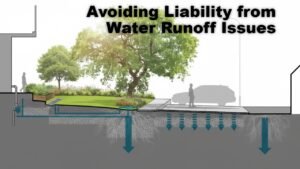
A Commercial Property Irrigation Strategy Guide ensures water is applied efficiently and removed properly when excess occurs.
This YouTube video below from Waterpro provides a basic guide to commercial irrigation systems. It explains core components, layout planning, and efficient water use. The video serves as a quick reference for understanding professional irrigation setup and maintenance.
Assessing Property Needs
Before designing a system, evaluate the property carefully.
Site Mapping
Create a detailed site map showing turf areas, planting beds, slopes, and hardscape. Include water sources and existing infrastructure.
Water Source Evaluation
Determine whether water comes from municipal supply, wells, or reclaimed systems. Each source affects pressure and capacity.
Soil and Drainage Conditions
Soil type influences irrigation scheduling. Clay retains moisture, while sandy soil drains quickly. Proper drainage must complement irrigation.
Accurate assessment forms the foundation of a Commercial Property Irrigation Strategy Guide.
Zoning for Large Properties
Zoning divides landscapes into manageable irrigation sections. Each zone operates independently.
Turf Zones
Turf requires frequent watering. Large lawns often need rotor sprinklers with even spacing.
Shrub and Bed Zones
Planting beds benefit from drip irrigation. This reduces water waste and prevents overspray.
High-Traffic Areas
Entrances and walkways require careful irrigation to prevent slippery surfaces.
Sun and Shade Zones
Sunny areas dry faster. Separate these zones to maintain consistent moisture.
Proper zoning supports efficient water use and reduces system strain.
Hydraulic Planning and Pressure Management
Commercial systems must maintain consistent pressure across large areas.
Mainline Sizing
Larger mainlines reduce friction loss. This ensures steady pressure across zones.
Booster Pumps
Booster pumps help maintain pressure for properties with long pipe runs or elevation changes.
Pressure Regulators
Pressure regulators protect sprinklers and prevent misting.
Hydraulic planning plays a key role in a Commercial Property Irrigation Strategy Guide.
Technology and Automation
Modern technology improves irrigation efficiency.
Smart Controllers
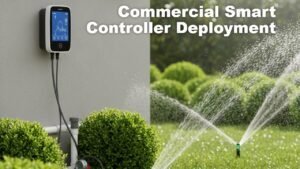
Smart controllers adjust watering schedules based on weather conditions. This reduces water waste.
Flow Sensors
Flow sensors detect leaks or broken heads. Early detection prevents water loss.
Centralized Control Systems
Large properties benefit from centralized management. Managers can monitor multiple zones from one interface.
Technology integration improves system reliability and cost control.
Budget Planning and Cost Management
Irrigation systems represent a significant investment. Proper budgeting ensures long-term efficiency.
Installation Costs
Costs include pipes, valves, controllers, and labor. Larger properties require more materials.
Operating Costs
Water usage and energy costs affect budgets. Efficient systems reduce monthly expenses.
Maintenance Budget
Routine maintenance prevents costly repairs. Allocate funds for inspections and upgrades.
Strategic budgeting supports long-term success.
Maintenance Planning
Regular maintenance keeps systems running efficiently.
Maintenance tasks include:
- Inspecting sprinkler heads
- Checking valves and wiring
- Monitoring pressure levels
- Adjusting seasonal schedules
- Cleaning filters
Preventative maintenance reduces downtime and repair costs.
Sustainability and Water Conservation
This YouTube video below from Digital Peoria discusses sustainability and water conservation in modern communities. It highlights practical steps to reduce water waste and protect local resources. The video serves as a quick reference for understanding responsible water management.
Sustainability is a priority for commercial properties.
Efficient Irrigation Methods
Drip irrigation reduces water use in planting beds. Rotary sprinklers improve turf efficiency.
Rain Sensors
Rain sensors prevent watering during rainfall.
Soil Improvement
Healthy soil absorbs water better and reduces runoff.
Sustainable practices enhance a Commercial Property Irrigation Strategy Guide.
Comparing Irrigation Approaches
| Approach | Benefits | Challenges | Best Use |
|---|---|---|---|
| Traditional Timers | Simple | Less efficient | Small properties |
| Smart Controllers | Efficient | Higher cost | Large properties |
| Drip Irrigation | Water-saving | Installation complexity | Beds and shrubs |
| Rotor Sprinklers | Wide coverage | Pressure needs | Large turf areas |
This comparison helps property managers choose the right system.
Common Mistakes to Avoid
Avoid these errors in commercial irrigation planning.
Overwatering
Excess watering wastes resources and damages plants.
Poor Zoning
Mixing plant types in one zone causes uneven watering.
Ignoring Maintenance
Neglected systems fail quickly.
Avoiding these mistakes improves system longevity.
Practical Tips for Property Managers
Use these tips to improve performance:
- Conduct annual audits
- Monitor water usage
- Upgrade to smart controllers
- Train maintenance staff
- Document system layouts
These steps support long-term efficiency.
FAQs
How often should commercial irrigation systems be inspected?
Inspect systems monthly during peak season and seasonally during off-peak months.
Do commercial properties need smart controllers?
Yes. Smart controllers improve efficiency and reduce water costs.
What is the biggest cost factor?
Water usage and maintenance often represent the largest expenses.
Can irrigation systems increase property value?
Yes. Healthy landscapes improve curb appeal and tenant satisfaction.
Should drainage be included in planning?
Yes. Proper drainage prevents oversaturation and structural damage.
Conclusion
Large properties require structured planning and reliable infrastructure. A well-developed Commercial Property Irrigation Strategy Guide ensures efficient water use, consistent coverage, and long-term cost control. Proper zoning, hydraulic planning, and technology integration improve system performance and protect landscaping investments.
Property managers who adopt a strategic approach reduce water waste and maintenance expenses. Evaluate your property’s needs carefully and implement a comprehensive irrigation strategy that delivers reliable performance and lasting value.