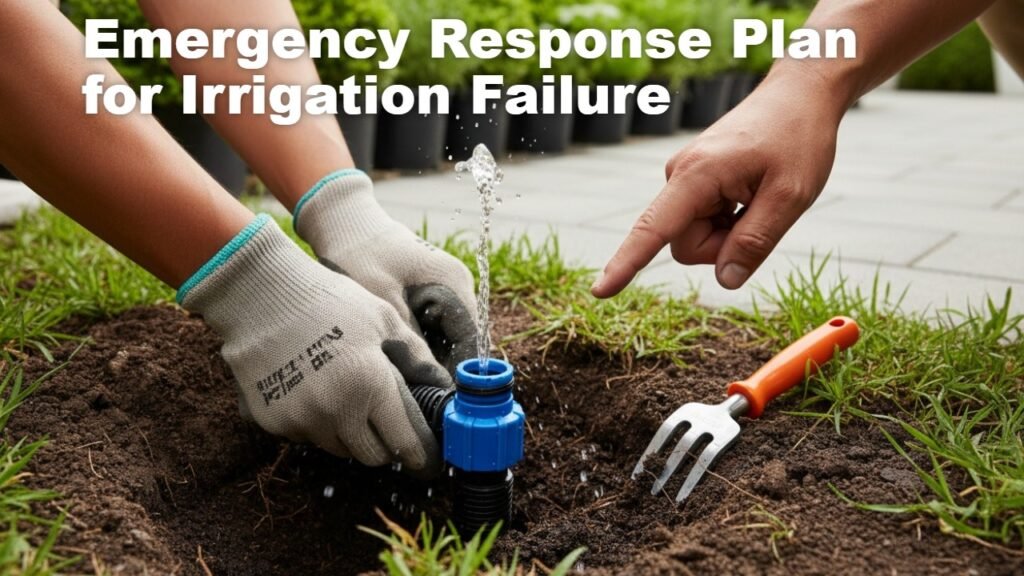
Emergency Response Plan for Irrigation Failure is essential for protecting landscapes, infrastructure, and operating budgets when unexpected system breakdowns occur. Irrigation systems operate under pressure and often run unattended. When a pipe bursts or a valve sticks open, water can flood turf areas, sidewalks, parking lots, and even building foundations.
Homeowners and property managers cannot afford delays during irrigation emergencies. A structured response plan reduces damage, controls repair costs, and limits liability exposure.
This guide explains how to build and implement a clear emergency action strategy for irrigation system failures across residential and commercial properties.
Why an Irrigation Emergency Plan Is Necessary
This YouTube video below from V6 News Telugu covers an irrigation department’s emergency action plan for dam safety. It highlights risk reduction steps, monitoring, and response planning. The video serves as a quick reference for large-scale water safety management.
Irrigation failures rarely happen at convenient times. Many occur overnight or during peak watering cycles. Without a defined response procedure, water loss can continue for hours.
An Emergency Response Plan for Irrigation Failure helps:
- Minimize property damage
- Reduce water waste
- Protect structural foundations
- Limit slip hazards
- Shorten system downtime
Fast action often determines whether repairs remain minor or escalate into major reconstruction.
Prepared properties recover faster and incur fewer costs.
Common Types of Irrigation Failures
Understanding common failure points improves readiness.
Mainline Pipe Breaks
Mainline failures release high volumes of water quickly. These breaks often result from pressure surges, aging materials, or ground movement.
Signs include:
- Rapid flooding
- Sudden pressure loss
- Water bubbling from soil
Immediate shutdown is critical.
Valve Malfunctions
A stuck valve may allow continuous watering in one zone. Extended operation can oversaturate soil and damage pavement.
Valve failures often present as:
- Constant water flow
- Uneven turf conditions
- Controller errors
Quick inspection prevents extended damage.
Controller Failures
Programming errors or electrical faults can trigger irregular watering cycles.
Common issues include:
- Zones running at incorrect times
- Overlapping schedules
- System not shutting off
Technology simplifies irrigation but requires monitoring.
Sprinkler Head Damage
This YouTube video below from Fire Engineering explains issues caused by a broken sprinkler head. It shows how damage affects water flow and system performance. The video serves as a quick reference for identifying and fixing sprinkler problems.
Broken or misaligned heads may spray water onto buildings or sidewalks.
While smaller in scale, prolonged head damage increases water bills and safety risks.
An Emergency Response Plan for Irrigation Failure should address all levels of system breakdown.
Key Components of an Effective Emergency Response Plan
A structured plan improves coordination and reduces confusion.
Clear Shutdown Procedures
Every property should have documented instructions for shutting off water.
Include:
- Mainline valve location
- Electrical disconnect location
- Pump shutdown instructions
- Controller override procedures
Emergency contacts must know these locations.
Assigned Responsibilities
Define who handles each task during an emergency.
Responsibilities may include:
- Maintenance staff for immediate shutdown
- Property manager for vendor contact
- Vendor for repair execution
- Administrative staff for documentation
Clear roles prevent delays.
Vendor Contact List
Maintain an updated list of:
- Irrigation contractors
- Plumbers
- Electrical technicians
- Water utility contacts
- Insurance representatives
Response time improves when contact information is accessible.
An Emergency Response Plan for Irrigation Failure should include after-hours contact details.
Documentation Protocol
Record:
- Time of incident
- Observed damage
- Photos of affected areas
- Estimated water loss
- Repair actions taken
Documentation supports insurance claims and future risk assessments.
Sample Emergency Action Checklist
| Action Step | Responsible Party | Time Frame |
|---|---|---|
| Shut off main water valve | Maintenance Staff | Immediate |
| Inspect affected zone | Supervisor | Within 1 hour |
| Contact irrigation vendor | Property Manager | Within 2 hours |
| Document damage | Admin Team | Same day |
| Begin repair work | Contractor | Within 24 hours |
This table ensures structured response during high-pressure situations.
A documented Emergency Response Plan for Irrigation Failure reduces reaction time.
Immediate Actions During Irrigation Failure
When a failure occurs, follow these steps:
- Shut off water supply immediately
- Turn off controller if needed
- Isolate affected zone
- Inspect surrounding infrastructure
- Remove standing water if necessary
Rapid containment prevents foundation and pavement damage.
Avoid leaving the site unattended until water flow stops completely.
Risk Areas to Monitor During Emergencies
Certain areas require special attention.
Focus on:
- Building foundations
- Electrical rooms
- Parking lots
- Retaining walls
- Sloped landscapes
Water migration can travel beyond the visible failure point.
An Emergency Response Plan for Irrigation Failure should include site-specific high-risk zones.
Preventive Measures That Reduce Emergency Frequency
Prevention lowers emergency incidents.
Recommended strategies include:
- Monthly system inspections
- Seasonal pressure testing
- Flow sensor installation
- Routine valve maintenance
- Controller programming audits
Preventive maintenance reduces system stress and unexpected failures.
Proactive monitoring often identifies issues before emergencies occur.
Role of Technology in Emergency Response
Smart irrigation systems enhance response capabilities.
Modern features include:
- Real-time flow alerts
- Remote system shutdown
- Automated leak detection
- Usage monitoring dashboards
Technology shortens detection time and limits water waste.
Integrating smart tools strengthens any Emergency Response Plan for Irrigation Failure.
Coordination With Insurance and Risk Management
Large irrigation failures may result in structural damage.
Property managers should:
- Notify insurers promptly
- Provide documentation
- Track repair costs
- Retain damaged components if required
Insurance claims often depend on maintenance records and response speed.
Proper documentation protects financial interests.
Training Staff for Emergency Preparedness
Even the best plan fails without training.
Conduct:
- Annual emergency drills
- Staff orientation on valve locations
- Vendor coordination meetings
- Review of contact lists
Clear communication improves emergency performance.
An Emergency Response Plan for Irrigation Failure must remain accessible to all responsible personnel.
Common Mistakes to Avoid
Avoid these critical errors:
- Delaying shutdown
- Failing to document damage
- Ignoring small leaks
- Skipping post-repair inspections
- Neglecting seasonal adjustments
Minor oversights often lead to repeat failures.
Structured follow-up ensures permanent solutions.
Long-Term Recovery After Irrigation Failure
After repairs, conduct a full system evaluation.
Review:
- Pressure levels
- Controller settings
- Soil stability
- Drainage impact
A post-incident audit prevents recurring damage.
Update your Emergency Response Plan for Irrigation Failure based on lessons learned.
Continuous improvement strengthens system resilience.
Frequently Asked Questions
What is an Emergency Response Plan for Irrigation Failure?
It is a structured procedure that outlines immediate actions to control water flow and minimize property damage during irrigation system breakdowns.
How quickly should irrigation emergencies be addressed?
Water supply should be shut off immediately. Vendor contact should occur within hours.
Can smart irrigation systems prevent emergencies?
They reduce detection time but cannot eliminate mechanical failures.
Should insurance be notified for minor incidents?
Minor leaks may not require claims, but documentation is recommended.
How often should emergency plans be reviewed?
Review annually and after any major system upgrade or incident.
Conclusion
Emergency Response Plan for Irrigation Failure protects landscapes, infrastructure, and financial stability during unexpected system breakdowns. Clear shutdown procedures, defined responsibilities, and proactive monitoring reduce water damage and operational downtime. Property managers who implement structured emergency plans respond faster and recover more efficiently.
Preparedness transforms irrigation failures from costly disasters into manageable incidents. Explore how a comprehensive emergency response strategy can safeguard your property and strengthen long-term irrigation performance.