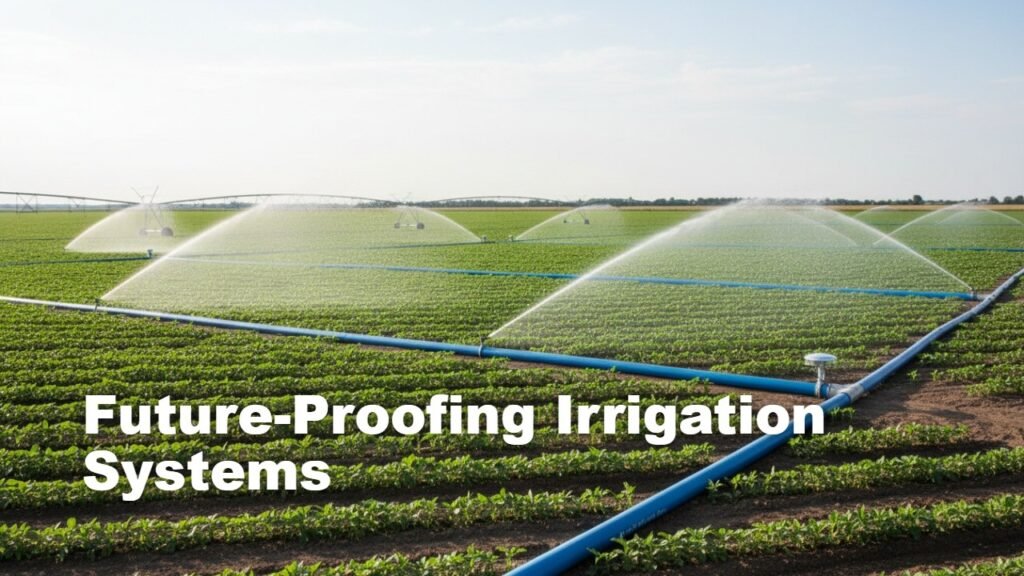
Future-proofing irrigation systems against climate shifts has become essential for homeowners and property managers facing unpredictable weather patterns, rising temperatures, and changing rainfall cycles. Irrigation systems designed for past climate norms often fail under modern conditions. Longer droughts, intense storms, and extended growing seasons demand adaptable infrastructure.
Property owners must now build irrigation strategies that remain efficient under shifting climate realities. Systems must handle both water scarcity and excess rainfall while protecting landscapes and controlling costs.
This guide explains how future-proofing irrigation systems against climate shifts helps create resilient landscapes that perform reliably despite changing environmental conditions.
Why Climate Shifts Affect Irrigation Planning
Climate variability has increased in many regions. Weather patterns that once remained stable now fluctuate widely.
Common changes include:
- Longer heat waves
- Irregular rainfall
- Increased evaporation
- Sudden storms
- Extended growing seasons
Traditional irrigation schedules cannot respond to these changes effectively. Future-proofing irrigation systems against climate shifts requires flexible design and advanced technology.
Key Risks to Irrigation Systems
Drought and Water Restrictions
Many regions now face recurring drought cycles. Water allocations may shrink during peak summer months.
Systems must operate efficiently within limited watering windows.
Heavy Rainfall and Runoff
Intense storms can saturate soil quickly. Poor drainage leads to runoff and erosion. Irrigation systems must pause automatically during heavy rainfall.
Temperature Extremes
Extreme heat accelerates evaporation. Cold snaps may freeze shallow lines. Systems must adapt to both conditions.
Understanding these risks supports effective future-proofing irrigation systems against climate shifts.
Designing Flexible Irrigation Systems
Flexible design allows systems to adjust to changing conditions.
Zoning by Plant Type
Separate zones for turf, shrubs, and trees improve efficiency. Each zone receives appropriate watering depth.
This YouTube video below from Gardenary explains planting zones and why they are not the only factor in plant success. It highlights climate, soil, and microclimate influences on growth. The video serves as a quick reference for smarter plant selection and garden planning.
Adjustable Flow Rates
Variable flow rates allow systems to adapt to seasonal demand. Higher flow may be needed during heat waves, while lower flow suits cooler periods.
Modular Components
Modular systems allow upgrades without full replacement. Property owners can add sensors or controllers over time.
Flexible design supports long-term resilience.
Smart Technology Integration
Technology plays a central role in future-proofing irrigation systems against climate shifts.
Smart Irrigation Controllers
Weather-based controllers adjust schedules automatically. They respond to rainfall, temperature, and humidity data.
Soil Moisture Sensors
This YouTube video below from OklahomaGardening explains how to use soil moisture sensors in landscapes and gardens. It shows how real-time soil data improves watering accuracy and prevents overwatering. The video serves as a quick reference for smarter irrigation management.
Sensors measure moisture at root depth. Irrigation activates only when necessary.
Flow Monitoring Devices
Flow sensors detect leaks and abnormal water use. Early detection prevents waste and damage.
Technology ensures systems respond to real-time conditions.
Climate-Resilient Plant Selection
Plant selection influences irrigation demand.
Native and Drought-Tolerant Plants
Native species adapt to local climate conditions. They require less supplemental watering.
Deep-Rooted Turf Varieties
Deep-rooted grasses tolerate drought better. They access moisture deeper in the soil.
Mixed Planting Strategies
Combining plant types reduces overall water demand.
Selecting resilient plants strengthens future-proofing irrigation systems against climate shifts.
Soil Health and Water Retention
Healthy soil improves irrigation efficiency.
Increase Organic Matter
Compost improves water retention and infiltration. Organic matter helps soil hold moisture longer.
Mulching
Mulch reduces evaporation and stabilizes soil temperature.
Aeration
Aerating compacted soil improves water penetration and root oxygen.
Soil improvement supports long-term climate adaptation.
Seasonal Adaptation Strategies
Future-proofing irrigation systems against climate shifts requires seasonal adjustments.
Spring
Monitor rainfall and adjust schedules gradually as temperatures rise.
Summer
Increase watering depth rather than frequency. Watch for heat stress signs.
Fall
Reduce irrigation gradually as growth slows.
Winter
Shut down or reduce irrigation in freezing climates. Monitor for dry winter periods.
Seasonal flexibility keeps systems efficient year-round.
Water Budgeting for Climate Uncertainty
Water budgets help manage usage during unpredictable seasons.
Track Usage Trends
Monitor monthly water consumption. Compare usage with historical averages.
Plan for Drought Years
Set contingency plans for reduced water allocations.
Invest in Efficiency
Efficient equipment reduces total consumption even during peak demand.
Budget planning supports future-proofing irrigation systems against climate shifts.
Comparative Climate Adaptation Table
| Climate Challenge | Irrigation Adjustment | Technology Support |
|---|---|---|
| Drought | Deep watering cycles | Smart controllers |
| Heavy rain | Pause irrigation | Rain sensors |
| Heat waves | Increase depth | Soil sensors |
| Cold snaps | Winterization | Temperature alerts |
| Extended seasons | Adjust schedules | Weather data systems |
This table summarizes practical adaptation steps.
Maintenance for Long-Term Resilience
Routine maintenance ensures systems remain reliable.
Monthly Inspections
Check sprinkler heads, valves, and controllers. Repair leaks promptly.
Seasonal Audits
Professional audits identify inefficiencies and coverage issues.
System Upgrades
Replace outdated components with efficient alternatives.
Maintenance keeps systems adaptable.
Financial Considerations
Future-proofing irrigation systems against climate shifts requires upfront investment but delivers long-term savings.
Reduced Water Bills
Efficient systems use less water. Lower consumption reduces monthly costs.
Fewer Repairs
Modern equipment lasts longer and requires fewer repairs.
Increased Property Value
Sustainable landscapes improve property appeal and market value.
Investing in resilience pays off over time.
Practical Action Plan
Follow these steps to future-proof your irrigation system:
- Install smart controllers
- Add soil moisture sensors
- Upgrade sprinkler heads
- Improve soil health
- Replace high-water plants
- Monitor usage regularly
- Adjust schedules seasonally
Consistent effort improves results.
Environmental Benefits
Efficient irrigation reduces strain on water supplies. Lower runoff protects local waterways. Sustainable landscapes support long-term ecosystem health.
Future-proofing irrigation systems against climate shifts benefits both property owners and communities.
Common Mistakes to Avoid
Avoid these errors:
- Using outdated timers
- Ignoring rainfall data
- Overwatering during cool periods
- Failing to upgrade equipment
- Skipping maintenance
Correcting these mistakes improves system performance.
FAQs About Future-Proofing Irrigation Systems Against Climate Shifts
Why is future-proofing important?
Climate variability makes fixed irrigation schedules unreliable. Adaptable systems maintain efficiency.
Are smart controllers necessary?
They are highly recommended. Smart controllers adjust schedules automatically.
How often should systems be upgraded?
Review systems every three to five years. Upgrade components as needed.
Can native plants reduce irrigation needs?
Yes. Native plants often require less water and adapt better to local climate.
Do soil improvements help during drought?
Yes. Healthy soil retains moisture and reduces irrigation demand.
Conclusion
Future-proofing irrigation systems against climate shifts is essential for maintaining healthy landscapes under changing environmental conditions. Drought, heavy rainfall, and temperature extremes demand adaptable systems and efficient technology.
Homeowners and property managers who invest in flexible design, smart controllers, and resilient plant selections create landscapes that withstand climate uncertainty while reducing costs.
Evaluate your current irrigation setup today and implement future-proofing irrigation systems against climate shifts strategies that ensure long-term efficiency and sustainable landscape performance.