Drought Region Irrigation Adjustments are essential for homeowners and property managers who must maintain landscapes while conserving water during prolonged dry conditions. Drought restrictions, rising utility costs, and declining water availability demand smarter irrigation practices. Fixed watering schedules often waste water and harm plant health during drought cycles.
A structured drought-response plan helps properties stay compliant with local regulations and protect turf, trees, and planting beds. Adjusting irrigation for drought conditions reduces waste, prevents plant loss, and stabilizes operating budgets.
This guide explains how to modify irrigation systems, schedules, and maintenance practices for drought-prone regions.
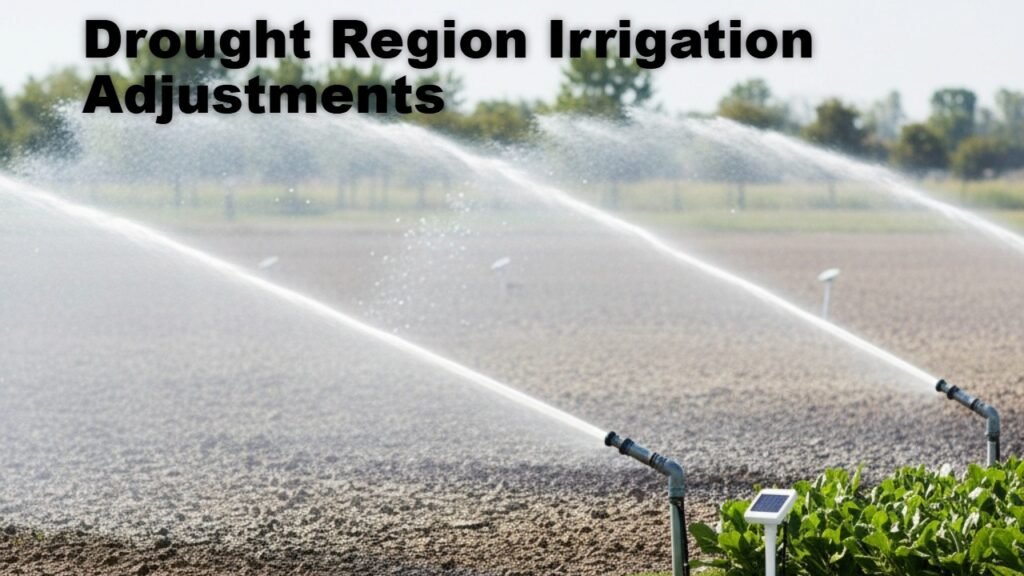
Why Irrigation Adjustments Are Critical in Drought Areas
Drought conditions reduce rainfall and increase evaporation rates. Soil dries faster, and plants face stress. Without adjustments, irrigation systems may either overwater or underperform.
Drought Region Irrigation Adjustments help managers:
- Reduce water consumption
- Maintain plant health
- Comply with restrictions
- Lower water bills
- Protect soil structure
Water conservation is often required by local authorities during drought periods. Efficient irrigation supports compliance and sustainability goals.
Understanding Drought Restrictions and Regulations
Many municipalities implement watering restrictions during drought periods. These rules often include:
- Limited watering days
- Time-of-day restrictions
- Prohibition of runoff
- Requirements for efficient equipment
- Fines for excessive water use
Property managers must stay informed about local regulations. Adjusting irrigation schedules ensures compliance and avoids penalties.
Drought Region Irrigation Adjustments must align with local water authority guidelines.
Common Irrigation Problems During Drought
Drought conditions expose system inefficiencies.
Typical issues include:
- Leaks in underground pipes
- Broken sprinkler heads
- Overlapping watering zones
- Inefficient spray patterns
- Poor soil absorption
Small inefficiencies become costly when water supplies are limited. Routine inspection is essential.
Core Strategies for Drought Region Irrigation Adjustments
Reduce Watering Frequency
Shorter watering cycles with longer intervals improve root depth and soil absorption. Deep, infrequent watering helps plants survive drought conditions.
Adjust Run Times
Reduce run times to prevent runoff. Monitor soil moisture to determine actual plant needs.
Water During Optimal Hours
Water early in the morning to reduce evaporation. Avoid midday watering.
Drought Region Irrigation Adjustments should prioritize efficiency and timing.
Upgrade to High-Efficiency Equipment
Modern irrigation equipment improves water use efficiency.
Recommended upgrades include:
- Drip irrigation systems
- High-efficiency nozzles
- Pressure regulators
- Smart controllers
- Soil moisture sensors
These upgrades reduce waste and improve control.
Technology plays a major role in drought adaptation.
Smart Controller Integration
Smart controllers adjust watering schedules based on weather data and soil moisture. They prevent unnecessary watering and support compliance with drought restrictions.
Benefits include:
- Automatic adjustments
- Remote monitoring
- Reduced manual scheduling
- Improved water savings
Drought Region Irrigation Adjustments are easier to manage with automated systems.
Soil and Landscape Management During Drought
This YouTube video below from SUNUPTV explains soil management strategies during drought conditions. It highlights moisture conservation, soil structure protection, and crop support practices. The video serves as a quick reference for maintaining soil health in dry periods.
Soil health influences water retention.
Improve soil conditions by:
- Aerating compacted areas
- Adding organic matter
- Using mulch to reduce evaporation
- Grouping plants by water needs
Healthy soil requires less frequent watering.
Landscape design should support drought resilience.
Monitoring Water Usage
Tracking water usage helps identify inefficiencies.
Monitor:
- Monthly water bills
- Flow sensor data
- Leak detection alerts
- Zone performance
Sudden usage increases may signal leaks or controller issues.
Drought Region Irrigation Adjustments require consistent monitoring.
Maintenance Practices for Drought Conditions
Maintenance becomes more important during drought.
Recommended practices include:
- Monthly system inspections
- Immediate leak repairs
- Pressure calibration
- Seasonal controller updates
- Sensor testing
Routine maintenance ensures efficient operation.
Risk Management and Liability
Overwatering during drought can cause runoff and property damage. Many municipalities enforce strict runoff rules.
Managers should:
- Adjust schedules to prevent runoff
- Monitor sloped areas
- Repair leaks quickly
- Document maintenance
Drought Region Irrigation Adjustments help reduce liability exposure.
Implementation Steps
This YouTube video below from Ewing Outdoor Supply shares smart irrigation tips for drought conditions. It highlights scheduling, efficient equipment, and water-saving practices. The video serves as a quick reference for managing irrigation during water shortages.
Step 1: Conduct Irrigation Audit
Evaluate system efficiency and identify leaks.
Step 2: Adjust Controller Settings
Update schedules based on drought restrictions.
Step 3: Install Smart Technology
Use sensors and smart controllers for monitoring.
Step 4: Train Maintenance Staff
Ensure teams understand drought protocols.
Step 5: Monitor and Adjust
Review water usage regularly and refine schedules.
Drought Region Irrigation Adjustments require ongoing evaluation.
Common Mistakes to Avoid
Avoid these errors:
- Watering too frequently
- Ignoring leaks
- Using outdated controllers
- Skipping inspections
- Overwatering turf
Small mistakes waste valuable water resources.
Practical Tips for Property Managers
- Review water bills monthly
- Conduct seasonal audits
- Adjust schedules based on weather
- Replace inefficient equipment
- Communicate with water authorities
Proactive management improves results.
Frequently Asked Questions
What are Drought Region Irrigation Adjustments?
They are changes made to irrigation systems and schedules to conserve water during drought conditions.
How often should irrigation schedules be updated?
Schedules should be reviewed monthly during drought periods.
Do smart controllers help during drought?
Yes. They adjust watering based on weather and soil moisture.
Can older systems be improved?
Most systems can be upgraded with efficient components and sensors.
Who should manage drought adjustments?
Property managers, maintenance teams, and irrigation professionals typically oversee adjustments.
Conclusion
Drought Region Irrigation Adjustments help homeowners and property managers conserve water, protect landscapes, and maintain compliance during dry conditions. Efficient scheduling, smart technology, and regular maintenance reduce water waste and support long-term sustainability. Proactive planning ensures properties remain healthy and operational even during extended drought periods.
Efficient drought management begins with smart irrigation planning. Explore how targeted adjustments can improve water efficiency and strengthen landscape performance across your property.