Cold Climate Sprinkler Protection Guide planning is essential for homeowners and property managers who operate irrigation systems in regions with freezing temperatures. When water freezes inside irrigation pipes, it expands and causes cracks, valve damage, and costly system failures. A single winter freeze can destroy underground lines and sprinkler heads if systems are not prepared correctly.
Proper winter protection prevents burst pipes, protects equipment, and ensures systems start smoothly in spring. This guide explains how to prepare irrigation systems for freezing weather, reduce damage risk, and maintain long-term system performance.
Why Cold Weather Damages Irrigation Systems
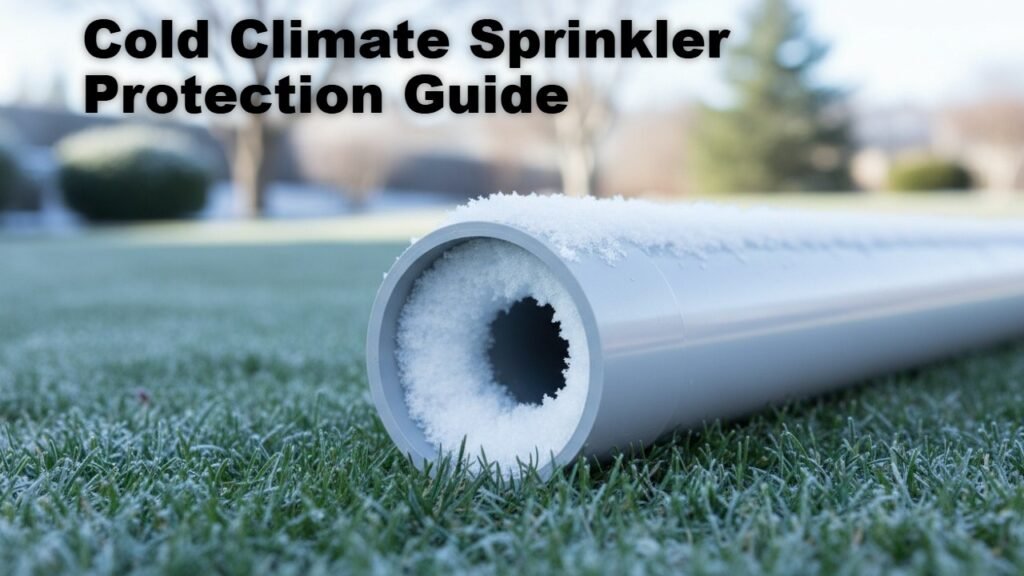
Water expands when it freezes. This expansion puts pressure on pipes, valves, and fittings. Even small amounts of trapped water can cause significant damage.
Cold Climate Sprinkler Protection Guide strategies help prevent:
- Burst pipes
- Cracked valves
- Damaged backflow preventers
- Broken sprinkler heads
- Costly spring repairs
Freezing temperatures affect above-ground and underground components. Without proper preparation, systems fail quickly.
When to Begin Cold Climate Sprinkler Protection
This YouTube video below from Castle Rock Lawn & Sprinkler explains how to protect a sprinkler system during a cold snap. It covers shutdown steps, insulation, and freeze prevention tips. The video serves as a quick reference for preventing winter damage to irrigation systems.
Timing is critical. Protection should begin before the first hard freeze.
Recommended preparation timeline:
- Monitor local weather forecasts
- Schedule winterization before temperatures drop below freezing
- Shut down systems in late fall
- Complete inspections before winter
Property managers should not wait until freezing weather arrives. Early preparation reduces risk.
Cold Climate Sprinkler Protection Guide planning should align with regional climate patterns.
Key Components That Need Protection
Several system parts are vulnerable to freezing.
Mainline Pipes
Mainline pipes carry pressurized water. Trapped water in these lines causes cracks during freezing.
Valves
Control valves contain small chambers that hold water. Freezing can damage diaphragms and seals.
Backflow Preventers
Backflow devices are especially vulnerable because they often sit above ground.
Sprinkler Heads
Heads can crack when water freezes inside them.
A Cold Climate Sprinkler Protection Guide must address each component.
Steps for Proper Winterization
This YouTube video below from Camping with the Coles explains five steps to winterize a travel trailer. It covers water lines, tanks, and freeze protection basics. The video serves as a quick reference for preventing cold-weather damage to plumbing systems.
Winterization removes water from irrigation lines and protects components.
Step 1: Shut Off Water Supply
Turn off the main irrigation water valve. This prevents water from entering the system.
Step 2: Drain the System
Drain water from pipes using manual or automatic drains. Ensure all zones are cleared.
Step 3: Blow Out Lines
Use compressed air to remove remaining water. This step is critical in cold climates.
Professional contractors often perform blowout services using specialized equipment.
Step 4: Insulate Exposed Components
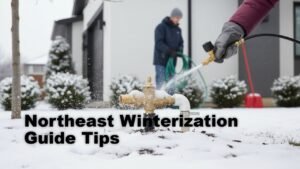
Wrap backflow preventers and exposed pipes with insulation. Use insulated covers or foam wraps.
Cold Climate Sprinkler Protection Guide procedures must include insulation and drainage.
Importance of Professional Blowout Services
Many property managers rely on professionals for system blowouts.
Benefits include:
- Complete water removal
- Proper pressure control
- Reduced pipe damage risk
- Faster winterization
- Verified system shutdown
Incorrect blowout pressure can damage pipes. Professional service ensures safe procedures.
Equipment and Materials for Winter Protection
Proper materials improve protection.
Common items include:
- Pipe insulation
- Backflow covers
- Valve box insulation
- Foam wraps
- Weatherproof tape
These materials protect exposed components from extreme temperatures.
Cold Climate Sprinkler Protection Guide strategies should include high-quality insulation.
Common Mistakes to Avoid
Many systems fail due to simple errors.
Avoid:
- Waiting too long to winterize
- Skipping blowout procedures
- Forgetting backflow protection
- Leaving controller active
- Ignoring small leaks
Small oversights lead to expensive repairs.
Spring Startup After Winter Protection
Proper winterization simplifies spring startup.
Spring procedures include:
- Inspecting for leaks
- Gradually restoring water pressure
- Testing valves and heads
- Reprogramming controllers
- Checking sensors
A well-executed Cold Climate Sprinkler Protection Guide ensures smooth spring operation.
Cost Considerations and Budget Planning
Winter damage can be expensive.
Repair costs may include:
- Pipe replacement
- Valve repairs
- Head replacement
- Labor costs
- Landscape restoration
Preventive winterization costs far less than major repairs.
Budget planning should include annual winterization services.
Risk Management and Liability
Frozen irrigation systems can cause water leaks when thawing occurs. Leaks may damage structures, pavement, or neighboring properties.
Property managers should:
- Document winterization procedures
- Maintain service records
- Inspect systems before shutdown
- Review insurance coverage
Proper documentation supports insurance claims if damage occurs.
Cold Climate Sprinkler Protection Guide planning reduces liability risk.
Technology That Supports Winter Protection
Modern irrigation systems include freeze sensors and smart controllers.
These tools can:
- Shut down systems automatically
- Alert managers to temperature changes
- Prevent accidental watering
- Monitor system status remotely
Technology adds an extra layer of protection.
Maintenance Practices During Winter
This YouTube video below from LakeCountyTV explains key topics covered in a winter maintenance and best practices workshop. It highlights seasonal preparation, equipment care, and risk reduction strategies. The video serves as a quick reference for effective cold-weather maintenance planning.
Even after shutdown, systems require periodic checks.
Recommended actions:
- Inspect insulation
- Check for exposed pipes
- Monitor extreme temperature forecasts
- Ensure controllers remain off
Winter monitoring prevents unexpected damage.
Practical Tips for Property Managers
- Schedule winterization early
- Hire experienced contractors
- Inspect systems before shutdown
- Use proper insulation materials
- Document all maintenance
Proactive management ensures reliable protection.
Frequently Asked Questions
What is a Cold Climate Sprinkler Protection Guide?
It is a structured plan for preparing irrigation systems for freezing temperatures to prevent damage.
When should irrigation systems be winterized?
Before the first hard freeze, typically in late fall.
Can homeowners winterize systems themselves?
Some tasks can be done independently, but professional blowouts are recommended.
What happens if irrigation lines freeze?
Frozen water expands and can crack pipes, valves, and fittings.
Is insulation necessary if lines are drained?
Yes. Insulation protects exposed components from extreme cold.
Conclusion
Cold Climate Sprinkler Protection Guide planning protects irrigation systems from freeze damage, costly repairs, and operational delays. Proper shutdown, blowout procedures, insulation, and monitoring ensure systems survive winter conditions and restart smoothly in spring. Property managers who follow structured winterization practices reduce risk and extend system lifespan.
Reliable irrigation performance begins with proper winter protection. Explore how a comprehensive cold climate sprinkler protection strategy can safeguard your system and prevent costly winter damage.