Drainage, runoff & water management are critical elements of maintaining a safe, functional, and long-lasting property. Whether you own a residential home or manage a commercial property, controlling water flow is essential to prevent structural damage, landscape erosion, and costly repairs.
Poor water management can lead to foundation cracks, basement flooding, soil degradation, and even mold growth. With proper planning, design, and maintenance, you can protect your investment while improving sustainability and curb appeal.
This comprehensive guide will walk you through everything you need to know—from understanding runoff patterns to implementing effective drainage systems and long-term maintenance strategies.
Why Proper Water Management Matters
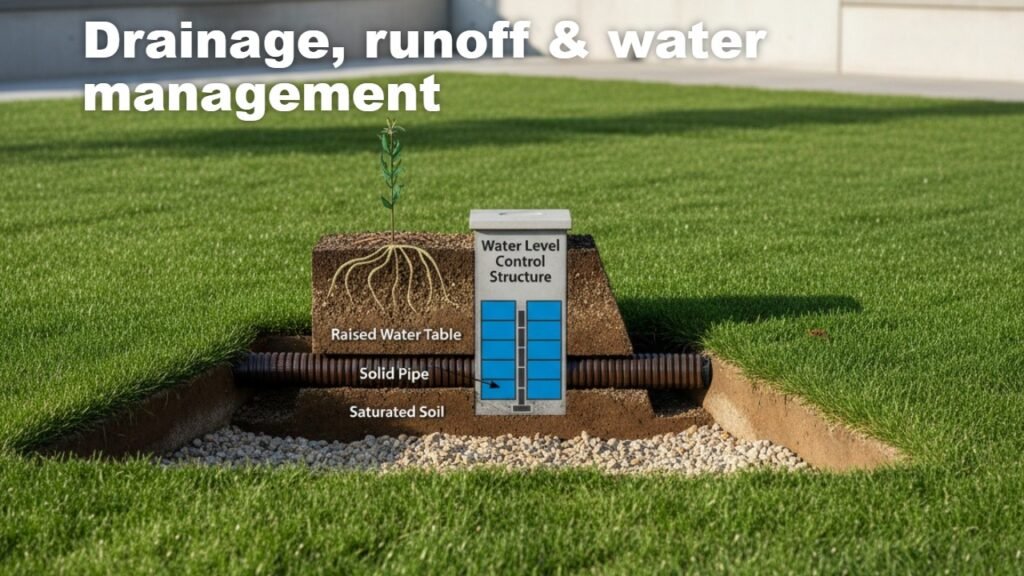
Effective drainage, runoff & water management ensures that excess water is safely directed away from buildings, landscapes, and infrastructure. Without proper systems in place, water naturally flows toward low points, often collecting near foundations or landscaped areas.
Key Risks of Poor Drainage
- Foundation weakening and structural damage
- Basement leaks and indoor moisture issues
- Soil erosion and loss of landscaping
- Standing water that attracts pests and mosquitoes
- Pavement cracking and driveway deterioration
Property owners who invest in proper drainage solutions reduce long-term maintenance costs and improve property value.
Understanding Runoff and Drainage Basics
This YouTube video below from HydroMind explains runoff and how water moves across land surfaces. It shows how rainfall, soil type, and slope affect water flow. The overview helps readers understand water management and erosion control basics.
Before implementing solutions, it’s important to understand how water moves across your property.
What is Runoff?
Runoff is the water that flows over surfaces after rainfall or irrigation when the soil cannot absorb it fast enough. Hard surfaces such as concrete, rooftops, and compacted soil increase runoff volume.
Natural Drainage Patterns
Water follows gravity. It flows:
- Down slopes
- Toward low-lying areas
- Along the path of least resistance
Identifying these natural patterns helps you design an efficient drainage plan.
Common Causes of Drainage Problems
Several factors contribute to poor drainage, even on well-maintained properties.
1. Improper Grading
If the land slopes toward the building instead of away from it, water collects near the foundation.
2. Clogged or Broken Gutters
Gutters and downspouts direct roof runoff. When blocked, water spills directly near walls and foundations.
3. Soil Type
Clay soil drains slowly, while sandy soil drains quickly. Properties with clay soil are more prone to pooling.
4. Compacted Ground
Heavy foot traffic or machinery compacts soil, reducing absorption and increasing runoff.
5. Inadequate Drainage Systems
Missing or poorly designed drains cannot handle heavy rainfall.
Types of Drainage Systems for Properties
There are multiple drainage solutions available depending on the layout and severity of the issue.
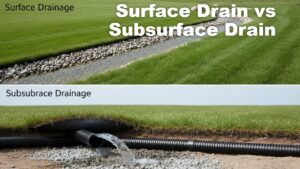
Surface Drainage Systems
These systems remove water from the surface before it can soak into the ground.
Common Surface Solutions
- Swales (shallow channels)
- Channel drains
- Catch basins
- Grading adjustments
Surface drainage is ideal for managing heavy rainwater quickly.
Subsurface Drainage Systems
These systems remove water that has already penetrated the soil.
Examples Include:
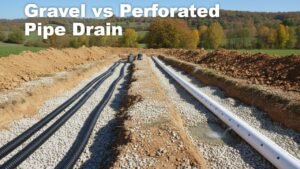
- French drains
- Perforated pipe systems
- Dry wells
- Drain tiles
Subsurface systems are highly effective for preventing basement leaks and waterlogging.
Roof Drainage Systems
This YouTube video below from Wavin Asia explains a complete solution for building roof drainage systems. It covers system design, flow control, and efficient water removal. The overview helps readers understand how proper drainage protects structures and manages runoff.
Roof water is a major source of runoff. Managing it properly is essential.
Key Components:
- Gutters
- Downspouts
- Splash blocks
- Downspout extensions
Proper roof drainage directs water away from the structure and prevents pooling.
15 Powerful Drainage, Runoff & Water Management Tips
This YouTube video below from TheUSDANRCS explains drainage water management and its role in land conservation. It covers how controlled drainage improves water quality and soil health. The overview helps readers understand sustainable water control practices in agriculture and landscape management.
Implement these expert-level strategies to improve your property’s water control.
1. Grade Your Landscape Correctly
Ensure soil slopes away from your foundation at a minimum of 5% grade.
2. Install French Drains
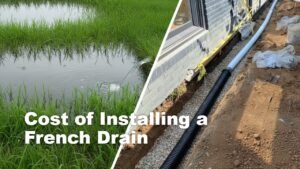
These are ideal for redirecting underground water away from problem areas.
3. Extend Downspouts
Water should discharge at least 5–10 feet away from your home.
4. Use Permeable Surfaces
Replace concrete with gravel, pavers, or permeable materials to reduce runoff.
5. Add Rain Gardens
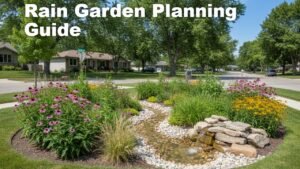
Rain gardens absorb excess water while enhancing landscape aesthetics.
6. Maintain Gutters Regularly
Clean gutters at least twice a year to prevent overflow.
7. Install Catch Basins
These collect water in low-lying areas and channel it away safely.
8. Build Retaining Walls with Drainage
Include weep holes or gravel backfill to prevent water buildup.
9. Use Swales for Natural Flow
Swales guide water across the property without causing erosion.
10. Install a Sump Pump
Essential for basements in flood-prone areas.
11. Avoid Soil Compaction
Limit heavy equipment use in landscaped areas.
12. Add Mulch to Garden Beds
Mulch improves absorption and reduces runoff velocity.
13. Use Dry Wells
These collect excess water and allow gradual soil absorption.
14. Inspect After Heavy Rain
Regular inspections help identify new drainage issues early.
15. Work with Drainage Professionals
Complex properties benefit from expert assessment and design.
Sustainable Water Management Solutions
Modern drainage, runoff & water management goes beyond protection—it also focuses on sustainability.
Eco-Friendly Options
- Rainwater harvesting systems
- Bioswales
- Green roofs
- Permeable pavements
- Rain barrels
These solutions reduce environmental impact and conserve water resources.
Seasonal Maintenance Checklist
Water management requires ongoing maintenance throughout the year.
Spring
- Clear debris from drains and gutters
- Check for soil erosion
- Inspect grading near foundations
Summer
- Monitor irrigation systems
- Ensure runoff flows correctly
- Repair cracks in pavement
Autumn
- Remove leaves from gutters
- Inspect drainage channels
- Prepare for heavy rainfall
Winter
- Prevent ice blockages in drains
- Check sump pump operation
- Ensure proper snow melt drainage
Signs You Have a Drainage Problem
Early detection prevents expensive repairs.
Watch for These Warning Signs:
- Water pooling near your home
- Basement dampness or musty odors
- Cracks in foundation walls
- Eroded soil around landscaping
- Mold growth indoors
- Standing water after rain
If you notice any of these issues, immediate action is recommended.
Cost vs. Value of Proper Drainage
Many property owners hesitate to invest in drainage improvements, but the long-term savings are significant.
Benefits of Investing in Drainage Systems
- Prevents foundation repair costs
- Increases property value
- Reduces insurance risks
- Protects landscaping investments
- Enhances safety and usability
Proper drainage is not an expense—it’s a long-term asset.
DIY vs. Professional Installation
Some drainage solutions can be handled by homeowners, while others require professional expertise.
DIY-Friendly Projects
- Cleaning gutters
- Installing splash blocks
- Adding mulch
- Installing small swales
When to Hire Professionals
- Foundation drainage issues
- Large-scale grading
- Subsurface drainage systems
- Persistent flooding problems
Professionals ensure correct design and compliance with local regulations.
FAQs: Drainage, Runoff & Water Management
What is the best drainage system for a residential property?
The best system depends on the property layout. French drains and proper grading are among the most effective solutions for most homes.
How far should downspouts extend from the house?
Downspouts should direct water at least 5 to 10 feet away from the foundation to prevent water buildup.
Can poor drainage damage my foundation?
Yes. Continuous water exposure weakens foundations, causing cracks and structural instability.
How do I reduce runoff in my yard?
Use permeable materials, install rain gardens, and improve soil absorption with organic matter.
Is drainage maintenance necessary every year?
Yes. Seasonal inspections and maintenance ensure systems remain effective and prevent unexpected failures.
Final Thoughts
Effective drainage, runoff & water management is essential for protecting your property, preserving structural integrity, and maintaining a safe outdoor environment. With the right combination of planning, installation, and maintenance, you can prevent costly damage and improve the long-term value of your home or commercial property.
From simple solutions like gutter cleaning to advanced systems such as French drains and rain gardens, every property can benefit from a well-designed water management strategy.
Take action today—evaluate your drainage system, identify potential issues, and implement improvements before minor water problems become major structural risks.