Drainage planning for clay soil is one of the most critical aspects of property maintenance for homeowners and property managers. Clay-heavy soils present unique challenges because they retain water, drain slowly, and expand or contract with moisture changes. Without proper drainage planning, these conditions can lead to waterlogging, erosion, landscape damage, and foundation instability.
Whether you’re dealing with standing water in your yard or moisture near your building’s base, understanding how to manage clay soil effectively will protect your property and reduce long-term maintenance costs.
This comprehensive guide explains how clay soil behaves, the risks it creates, and the most effective drainage strategies to keep your property safe and dry.
Why Clay Soil Requires Specialized Drainage Planning
This YouTube video below from Geography Masterclass explains the definition and key traits of clay soil. It covers how clay holds water and affects drainage. The overview helps readers understand soil behavior and landscape planning.
Clay soil differs significantly from sandy or loamy soils in how it handles water.
Key Characteristics of Clay Soil
- Slow water absorption
- High water retention
- Compaction-prone structure
- Expansion when wet and shrinkage when dry
These characteristics make drainage planning for clay soil essential for preventing structural damage and surface water issues.
How Clay Soil Affects Water Movement
Water movement through clay soil is limited, causing surface runoff and prolonged saturation.
Common Water Issues in Clay Soil
- Standing water after rainfall
- Surface runoff instead of infiltration
- Soil swelling that stresses foundations
- Cracked ground during dry periods
Understanding these patterns is the first step in designing an effective drainage system.
Risks of Poor Drainage in Clay Soil Areas
Improper drainage in clay soil can create serious problems for both landscapes and structures.
Major Risks Include:
- Foundation cracking and shifting
- Basement leaks and moisture intrusion
- Soil erosion and washout
- Lawn and plant damage
- Increased pest and mosquito activity
These risks make proper planning a necessity rather than an option.
Evaluating Your Property for Drainage Planning
This YouTube video below from Civil Griffin explains how to read residential drainage plans step by step. It covers symbols, layout details, and flow direction. The guide helps readers understand drainage drawings used in landscape and construction projects.
Before implementing solutions, assess how water behaves on your property.
Steps to Evaluate Drainage
- Observe water flow after heavy rain
- Identify low-lying or pooling areas
- Check soil texture and compaction levels
- Examine grading around your foundation
- Note any existing drainage systems
This evaluation helps determine which drainage methods are most suitable.
Essential Grading Techniques for Clay Soil
Grading is the foundation of drainage planning for clay soil.
Proper Slope Guidelines
- Maintain a minimum 5% slope away from structures
- Avoid depressions that trap water
- Ensure consistent grading across the yard
Benefits of Proper Grading
- Directs water away from buildings
- Reduces standing water
- Prevents soil saturation
Grading alone can significantly reduce drainage problems.
Best Drainage Systems for Clay Soil
This YouTube video below from Apple Drains explains how a French drain performs in clay soil conditions. It shows how soil type affects water movement and drainage speed. The insights help readers understand why proper design matters in heavy soils.
Because clay soil drains slowly, multiple systems are often required.
French Drains
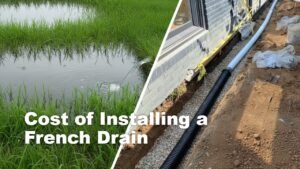
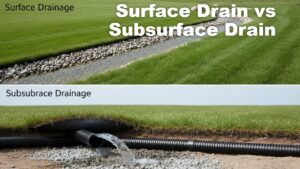
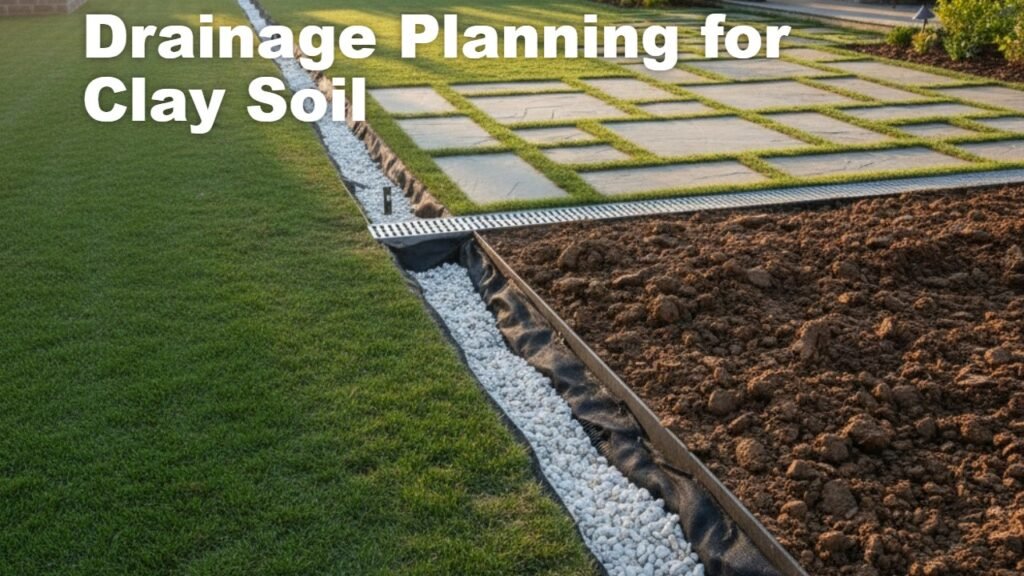
French drains collect and redirect subsurface water away from problem areas.
Channel Drains
These surface drains capture fast-moving runoff on driveways, patios, and hardscapes.
Dry Wells
Dry wells store excess water and allow gradual absorption into surrounding soil.
Perimeter Drains
Installed around foundations, these drains protect structures from moisture buildup.
Combining these systems improves overall water management.
Soil Improvement Techniques for Better Drainage
Improving soil structure can enhance drainage performance.
Methods to Improve Clay Soil
- Add organic compost to increase permeability
- Mix sand and organic matter into topsoil
- Aerate soil regularly to reduce compaction
- Use gypsum to improve soil structure
These methods help increase water infiltration over time.
Landscaping Strategies for Clay Soil Drainage
Smart landscaping can help manage water effectively.
Effective Landscaping Techniques
- Plant deep-rooted grasses and shrubs
- Create rain gardens to absorb runoff
- Use mulch to reduce water impact
- Install ground cover to prevent erosion
These strategies reduce runoff while improving soil stability.
Managing Runoff in Clay Soil Environments
Runoff is a major issue in clay-heavy areas.
Runoff Control Solutions
- Install swales to guide water flow
- Build berms to redirect water
- Use permeable paving materials
- Direct roof water away from the property
These solutions reduce surface water accumulation.
Foundation Protection in Clay Soil Conditions
Foundations are particularly vulnerable in clay soil.
Protection Methods
- Install perimeter drainage systems
- Waterproof foundation walls
- Maintain consistent soil moisture levels
- Avoid overwatering landscaping near the foundation
These steps reduce soil movement and structural stress.
Seasonal Maintenance for Clay Soil Drainage
Drainage systems require ongoing maintenance.
Seasonal Checklist
Spring
- Inspect for winter damage
- Clear drains and gutters
- Check grading levels
Summer
- Monitor irrigation to avoid overwatering
- Repair dry cracks in soil
Autumn
- Remove debris from drainage systems
- Reinforce erosion-prone areas
Winter
- Ensure proper snowmelt drainage
- Prevent ice blockages
Routine maintenance ensures long-term effectiveness.
Common Mistakes to Avoid
Avoid these errors when planning drainage for clay soil:
- Ignoring soil compaction
- Using only surface drains without subsurface systems
- Failing to maintain proper grading
- Overwatering lawns and gardens
- Neglecting routine inspections
Correcting these mistakes improves system performance.
Practical Tips for Homeowners and Property Managers
Use these expert tips to improve drainage planning for clay soil:
- Always test drainage after heavy rainfall
- Combine grading and drainage systems
- Use organic soil amendments regularly
- Install gutter extensions
- Monitor foundation moisture levels
Consistent attention prevents major issues.
Cost Considerations for Clay Soil Drainage Solutions
This YouTube video below from Off-Grid with Curtis Stone discusses cost-effective ways to improve soil drainage. It shares practical methods and planning tips from a live Q&A session. The insights help readers explore budget-friendly drainage solutions for land and gardens.
Costs depend on property size and system complexity.
Key Cost Factors
- Soil improvement materials
- Drainage system installation
- Labor and equipment
- Landscaping modifications
Investing in proper drainage reduces long-term repair costs.
When to Hire a Drainage Professional
Professional help is recommended for complex drainage issues.
Call a Professional If:
- Water repeatedly pools near your home
- Foundation cracks appear
- Soil erosion is severe
- Drainage systems fail to perform
Professional design ensures proper and lasting solutions.
FAQs: Drainage Planning for Clay Soil
Why does clay soil drain poorly?
Clay particles are tightly packed, preventing water from moving through quickly.
What is the best drainage system for clay soil?
A combination of French drains, grading, and soil improvement is typically most effective.
Can I improve clay soil drainage naturally?
Yes, adding organic matter and aerating soil improves drainage over time.
Is standing water dangerous for foundations?
Yes, prolonged moisture can weaken foundations and cause structural damage.
How often should drainage systems be inspected?
At least twice a year and after major storms.
Final Thoughts
Effective drainage planning for clay soil is essential for maintaining a safe, stable, and functional property. Clay soil presents unique challenges, but with proper grading, drainage systems, soil improvement, and maintenance, water can be managed effectively.
By taking a proactive approach and implementing the strategies outlined in this guide, homeowners and property managers can prevent flooding, protect foundations, and preserve the long-term value of their property.