Surface drain vs subsurface drain decisions determine how effectively a property manages stormwater and groundwater. Poor drainage causes soil erosion, basement leaks, and foundation damage. Choosing the correct system prevents costly repairs and long-term structural issues.
Homeowners and property managers often face pooling water, soggy lawns, and runoff near structures. Understanding the differences between surface and subsurface drainage helps solve these problems efficiently.
This guide explains how each system works, when to use it, and how to combine both for maximum protection. You will learn installation basics, cost considerations, and maintenance strategies.

Why Proper Drainage Matters
Water must move away from structures quickly and safely. When drainage fails, water accumulates near foundations and landscape features.
Common consequences include:
- Basement moisture
- Foundation cracks
- Lawn damage
- Soil erosion
- Standing water
Selecting the right solution depends on site conditions. Surface drain vs subsurface drain planning ensures water flows in the correct direction and does not damage property.
What Is a Surface Drain?
Surface drains collect water from the ground surface and direct it away. These systems handle runoff before it soaks into soil.
How Surface Drains Work
Surface drains capture rainwater through grates or channels. Water flows into pipes that carry it away from structures.
Common Surface Drain Types
- Catch basins
- Channel drains
- Swales
- Trench drains
These systems work well in areas where water collects quickly after rain.
Best Uses for Surface Drains
Surface drains perform best for:
- Driveways
- Patios
- Low yard areas
- Pool decks
- Hardscape edges
Surface drain vs subsurface drain comparisons often begin with evaluating runoff patterns.
What Is a Subsurface Drain?
Subsurface drains manage water below ground level. These systems collect groundwater and redirect it away from foundations and lawns.
How Subsurface Drains Work
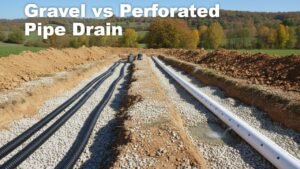
Perforated pipes buried underground collect excess water. Gravel surrounding the pipe allows water to enter and flow toward a discharge point.
Common Subsurface Drain Types
- French drains
- Foundation drains
- Curtain drains
- Footing drains
These systems handle water that saturates soil rather than running across the surface.
Best Uses for Subsurface Drains
Subsurface drains work best for:
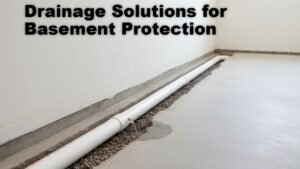
- Basement protection
- Saturated lawns
- Sloped yards
- Areas with high groundwater
Surface drain vs subsurface drain selection depends on whether water sits on top of soil or within it.
Key Differences Between Surface and Subsurface Drains
Understanding differences helps determine which system suits your property.
| Feature | Surface Drain | Subsurface Drain |
|---|---|---|
| Water Type | Surface runoff | Groundwater |
| Installation Depth | Shallow | Underground |
| Visibility | Visible grates | Hidden pipes |
| Best For | Hardscape and pooling | Foundation and soil saturation |
| Maintenance | Easy access | Requires inspection |
| Cost | Lower | Higher |
| Installation Complexity | Moderate | High |
This comparison highlights how surface drain vs subsurface drain systems serve different roles.
This YouTube video below from Ag PhD explains the difference between surface and subsurface drainage. It shows how water moves across soil and below ground. The overview helps readers understand key drainage methods used in land management.
When to Use Surface Drainage
Surface drainage solves visible water issues.
Signs You Need Surface Drains
- Water pooling after rain
- Runoff across driveways
- Flooded patios
- Erosion on slopes
Installation Tips
Place drains at low points. Connect to discharge pipes that lead away from structures. Ensure proper slope for water movement.
Surface drain vs subsurface drain planning often starts with visible water patterns.
When to Use Subsurface Drainage
Subsurface systems handle hidden moisture problems.
Signs You Need Subsurface Drains
- Persistent soggy lawn
- Basement moisture
- Water seeping through foundation
- Soil saturation after rain
Installation Tips
Install perforated pipes below ground level. Surround pipes with gravel to allow water entry. Ensure discharge away from structures.
Subsurface systems often complement surface drains for complete protection.
Combining Surface and Subsurface Systems
Many properties require both systems.
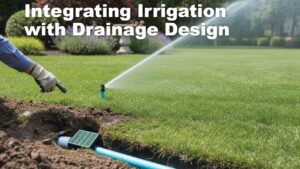
Integrated Drainage Design
Surface drains capture runoff quickly. Subsurface drains manage remaining soil moisture.
Example Combination
- Catch basins for surface water
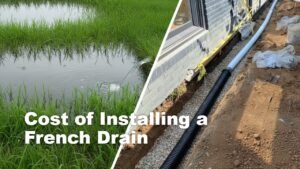
- French drains near foundation
- Downspout extensions
- Swales for water direction
Combining systems improves efficiency and reliability.
Surface drain vs subsurface drain decisions often lead to hybrid solutions.
Cost Considerations
Costs vary based on installation complexity.
Surface Drain Costs
Surface drains typically cost less. Installation requires shallow trenching and basic piping.
Subsurface Drain Costs
Subsurface systems require deeper excavation and more materials. Installation costs increase accordingly.
However, long-term savings often justify investment. Preventing foundation damage saves significant repair costs.
Maintenance Requirements
Both systems require maintenance.
Surface drain maintenance:
- Remove debris from grates
- Flush pipes annually
- Check slope alignment
Subsurface drain maintenance:
- Inspect discharge outlets
- Monitor for clogging
- Test water flow periodically
Routine care ensures effective performance.
Common Mistakes to Avoid
Avoid these errors when planning drainage.
Ignoring Slope
Water must flow downhill. Improper slope reduces effectiveness.
Installing Only One System
Some properties need both surface and subsurface drainage.
Poor Outlet Placement
Drain outlets must direct water far from structures.
Avoiding these mistakes strengthens surface drain vs subsurface drain planning.
Practical Tips for Property Owners
Follow these steps:
- Identify water source
- Observe drainage patterns
- Check soil saturation
- Evaluate foundation moisture
- Consult drainage professionals
- Plan for long-term maintenance
Strategic planning prevents water damage.
FAQs
What is the main difference between surface and subsurface drains?
Surface drains handle runoff on top of the ground. Subsurface drains manage water below the surface.
Do I need both drainage systems?
Some properties benefit from both. Combining systems improves protection.
Are subsurface drains expensive?
They cost more upfront but prevent costly structural damage.
How often should drains be inspected?
Inspect drains at least twice per year and after heavy storms.
Can drainage systems increase property value?
Yes. Proper drainage protects structures and improves landscape health.
Conclusion
Effective drainage protects both landscapes and structures. Surface drain vs subsurface drain decisions depend on water source, soil conditions, and property layout. Surface drains handle visible runoff, while subsurface systems manage hidden moisture.
Combining both methods often delivers the best results. Proper installation and maintenance prevent costly damage and preserve property value. Evaluate your drainage needs carefully and implement a system that ensures long-term protection and performance.