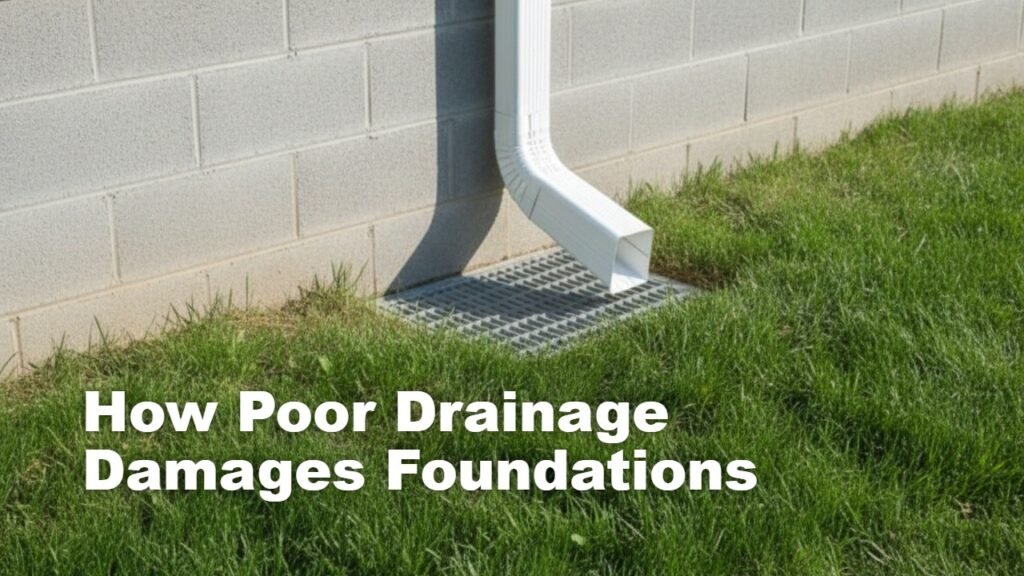
How Poor Drainage Damages Foundations is one of the most critical structural risks that homeowners and property managers face. Water may seem harmless on the surface, but when it accumulates around your home’s base, it gradually weakens the very structure that supports your property.
Foundation damage caused by poor drainage can lead to cracks, shifting walls, basement flooding, and long-term structural instability. Understanding how and why this happens is essential for protecting your investment and preventing costly repairs.
This comprehensive guide explains the causes, warning signs, long-term effects, and proven prevention strategies to safeguard your property.
Why Foundation Drainage Is Critical
This YouTube video below from Soleno Inc. shares four important things to know about foundation drainage. It explains why proper drainage protects structural integrity and prevents long-term damage. The insights help readers understand the role of drainage in building health and stability.
Your foundation is designed to support the entire structure of your building. However, it is not designed to withstand constant water pressure or soil movement caused by excess moisture.
The Role of Water in Soil Movement
Soil expands when wet and contracts when dry. This cycle creates pressure on foundation walls, leading to cracks and structural stress.
Key Risks of Poor Drainage
- Increased hydrostatic pressure around foundation walls
- Soil erosion and loss of structural support
- Basement leaks and moisture intrusion
- Mold growth and indoor air quality issues
Proper drainage ensures that water flows away from your home instead of accumulating around it.
How Poor Drainage Damages Foundations Over Time
Understanding the process helps property owners take preventive action before serious damage occurs.
1. Hydrostatic Pressure Build-Up
When water accumulates in the soil surrounding your foundation, it creates pressure against the walls. Over time, this pressure forces water through cracks and weak points.
2. Soil Expansion and Contraction
Excess moisture causes soil to expand, while dry conditions cause it to shrink. This repeated movement destabilizes the foundation.
3. Erosion of Supporting Soil
Water runoff can wash away soil from around the base of your home, reducing support and causing uneven settling.
4. Freeze-Thaw Damage
In colder climates, trapped water freezes and expands, widening cracks in the foundation.
5. Increased Structural Stress
Persistent water exposure weakens concrete and masonry, reducing their load-bearing capacity.
Common Causes of Poor Drainage Around Foundations
This YouTube video below from Williamson Foundation Repair explains how poor drainage can lead to foundation problems. It shows how heavy rain and water buildup affect soil and structural stability. The insights help readers understand why proper drainage protects long-term home health.
Many drainage issues originate from preventable problems.
Improper Yard Grading
If the ground slopes toward the home instead of away, water collects near the foundation.
Clogged Gutters and Downspouts
Blocked gutters overflow and dump water directly at the base of your property.
Short Downspout Discharge
Downspouts that end too close to the house cause water pooling.
Compacted or Clay Soil
Dense soil prevents water absorption, increasing runoff.
Missing or Failing Drainage Systems
Without systems like French drains or perimeter drains, water has nowhere to go.
Warning Signs of Foundation Damage from Drainage Issues
Early detection is key to avoiding major structural repairs.
Exterior Warning Signs
- Cracks in foundation walls
- Water pooling around the home
- Soil erosion near the base
- Leaning or tilting structures
Interior Warning Signs
- Basement leaks or dampness
- Musty odors or mold growth
- Cracks in interior walls
- Uneven floors or sticking doors
If you notice these signs, immediate inspection is recommended.
Types of Foundation Damage Caused by Poor Drainage
Different drainage issues lead to different types of structural damage.
1. Foundation Cracks
Water pressure forces its way through weak points in concrete, creating visible cracks.
2. Settlement and Sinking
Erosion and soil loss cause parts of the foundation to sink unevenly.
3. Bowing Walls
Hydrostatic pressure pushes basement walls inward over time.
4. Water Intrusion and Flooding
Poor drainage leads to water entering basements or crawl spaces.
Long-Term Consequences of Ignoring Drainage Problems
Ignoring drainage issues can lead to severe financial and safety risks.
Major Consequences Include:
- Expensive structural repairs
- Reduced property value
- Increased insurance costs
- Health risks from mold exposure
- Safety hazards due to structural instability
Addressing drainage problems early prevents these outcomes.
Effective Solutions to Prevent Foundation Damage
There are several proven methods to control water and protect your foundation.
Improve Yard Grading
Ensure the ground slopes away from your home by at least 5%.
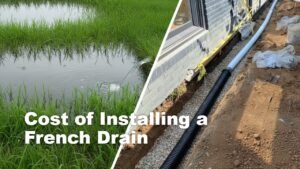
Install French Drains
These systems redirect groundwater away from the foundation.
Extend Downspouts
Water should discharge at least 5–10 feet from the house.
Maintain Gutters
Clean gutters regularly to ensure proper water flow.
Use Waterproofing Systems
Apply exterior or interior waterproofing to protect foundation walls.
Drainage Systems That Protect Foundations
Combining multiple systems provides the best protection.
Common Drainage Solutions
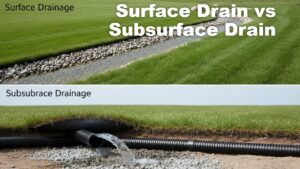
- French drains for subsurface water
- Channel drains for surface runoff
- Dry wells for water absorption
- Sump pumps for basement protection
These systems work together to manage water effectively.
Seasonal Maintenance Tips for Drainage Systems
This YouTube video below from International Greenkeepers explains how to maintain a drainage system for healthy turf. It covers inspection, cleaning, and routine upkeep practices. The presentation helps readers understand long-term drainage performance and maintenance needs.
Consistent maintenance keeps drainage systems functioning properly.
Spring
- Inspect for winter damage
- Clear debris from gutters
- Check grading and soil levels
Summer
- Monitor irrigation systems
- Repair cracks or erosion
Autumn
- Remove leaves from drainage systems
- Prepare for heavy rainfall
Winter
- Ensure proper snowmelt drainage
- Prevent ice blockages
Routine inspections help prevent costly damage.
Practical Tips for Homeowners and Property Managers
Take these steps to protect your foundation from drainage issues:
- Inspect your property after heavy rainfall
- Keep landscaping trimmed and well-maintained
- Avoid planting trees too close to the foundation
- Monitor soil moisture levels
- Schedule professional inspections when needed
Small preventative steps can save thousands in repairs.
Cost of Repair vs Prevention
Investing in drainage improvements is significantly cheaper than repairing foundation damage.
Cost Comparison
- Drainage system installation: Moderate cost
- Foundation crack repair: High cost
- Full structural repair: Extremely expensive
Preventative maintenance is always the more cost-effective option.
When to Call a Professional
Some drainage and foundation issues require expert evaluation.
Contact a Professional If:
- Cracks are wider than 1/4 inch
- Walls are bowing or shifting
- Basement flooding occurs repeatedly
- Soil erosion is severe
Professional assessment ensures the correct solution is applied.
FAQs: How Poor Drainage Damages Foundations
Can poor drainage really cause foundation failure?
Yes. Continuous water pressure and soil movement can weaken and eventually compromise the entire structure.
How quickly can drainage damage a foundation?
Damage can begin within months, but serious structural issues often develop over several years.
What is the most effective drainage solution?
A combination of proper grading, French drains, and gutter management is typically most effective.
Does homeowners insurance cover drainage-related damage?
Most policies do not cover damage caused by poor maintenance or drainage issues.
How can I test my drainage system?
Run water through gutters and observe how it flows away from your home during rainfall.
Final Thoughts
Understanding how poor drainage damages foundations is essential for protecting your home or commercial property from long-term structural issues. Water is one of the most destructive forces affecting buildings, and without proper management, it can gradually compromise your foundation’s integrity.
By identifying early warning signs, improving grading, installing effective drainage systems, and maintaining your property regularly, you can prevent costly damage and ensure the long-term stability of your structure.
Taking action today will protect your investment, enhance property value, and provide peace of mind for years to come.