State-by-state water restriction overview helps homeowners and property managers navigate changing irrigation rules across the United States. Water regulations differ widely by region, climate, and drought severity. Ignoring local rules can lead to fines, landscape damage, and wasted resources.
Property managers face added complexity. Multi-site portfolios must follow local ordinances, seasonal bans, and emergency drought rules. Understanding restrictions improves compliance and reduces operating costs.
This guide explains current trends, regional differences, and practical strategies for staying compliant while maintaining healthy landscapes.

Why Water Restrictions Matter
This YouTube video below from WaterMattersTV explains current water restrictions and what they mean for users. It highlights conservation rules, usage limits, and compliance steps. The video serves as a quick reference for staying within updated water regulations.
Water restrictions exist to protect public water supplies during drought, population growth, and infrastructure stress. Municipal systems cannot always meet peak summer demand. Limiting outdoor irrigation reduces strain.
Landscapes consume a large share of residential water use. In some regions, irrigation accounts for over half of household demand. Restrictions target watering schedules, runoff, and inefficient systems.
Compliance protects both community resources and long-term landscape health.
Key Types of Water Restrictions
Understanding restriction types forms the foundation of any state-by-state water restriction overview.
Time-of-Day Restrictions
Many cities limit irrigation to early morning or late evening hours. Watering during peak heat causes evaporation loss.
Common allowed windows:
- Before 10:00 AM
- After 6:00 PM
Day-of-Week Watering Limits
Properties may water only on assigned days. These schedules often depend on address numbers.
Example pattern:
- Even-numbered addresses: Tuesday and Saturday
- Odd-numbered addresses: Wednesday and Sunday
Drought Emergency Bans
Severe drought triggers temporary watering bans. These rules often prohibit:
- Lawn irrigation
- Car washing
- Pressure washing
- Filling pools
Emergency bans can change quickly.
Runoff and Waste Restrictions
Many states enforce rules against overspray and runoff. Water flowing into sidewalks or streets may result in citations.
Smart irrigation systems help prevent violations.
Regional Patterns Across the United States
This YouTube video below from That Is Interesting explores a regional breakdown of the United States in part one of the series. It highlights geographic, cultural, and economic differences across major regions. The video serves as a quick reference for understanding regional diversity in the U.S.
A state-by-state water restriction overview reveals clear regional trends. Climate heavily influences regulation intensity.
Western States
Western regions face chronic drought and limited water supply. Restrictions remain strict year-round.
Common features:
- Limited watering days
- Mandatory smart controllers
- Turf removal incentives
- Tiered water pricing
States with frequent restrictions:
- California
- Arizona
- Nevada
- Utah
- Colorado
Southern States
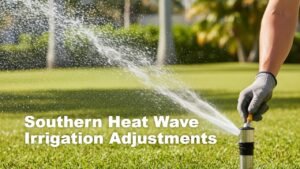
Southern climates receive more rainfall but still impose seasonal limits. Summer demand often exceeds supply.
Common features:
- Twice-weekly watering schedules
- Drought stage alerts
- Rain sensor requirements
States with periodic restrictions:
- Texas
- Florida
- Georgia
- North Carolina
Midwestern States
Midwestern regions see fewer permanent restrictions. Temporary rules appear during drought periods.
Common features:
- Voluntary conservation
- Odd-even watering schedules
- Local municipal enforcement
States include:
- Illinois
- Ohio
- Minnesota
- Missouri
Northeastern States
Northeastern climates rely on seasonal rainfall. Restrictions typically occur during dry summers.
Common features:
- Emergency drought bans
- Limited irrigation hours
- Local authority control
States include:
- New York
- Massachusetts
- New Jersey
- Pennsylvania
State-by-State Water Restriction Overview Table
The following table provides a simplified snapshot of typical rules. Always confirm with local municipalities.
| State | Typical Restriction Level | Common Watering Days | Special Requirements |
|---|---|---|---|
| California | Strict | 2 days per week | Smart controllers required |
| Arizona | Strict | Assigned days | No midday watering |
| Nevada | Strict | Seasonal limits | Turf removal incentives |
| Texas | Moderate | 2 days per week | Drought stage alerts |
| Florida | Moderate | 2–3 days weekly | Rain sensor required |
| Colorado | Moderate | Limited hours | Water budgets enforced |
| Illinois | Light | Voluntary | Local enforcement |
| New York | Light to moderate | Emergency only | Local authority |
| Georgia | Moderate | Odd-even schedule | Seasonal limits |
| Washington | Moderate | 2 days per week | Summer restrictions |
This table supports planning across multiple properties.
How Restrictions Affect Irrigation Planning
A state-by-state water restriction overview must translate into practical irrigation changes. Compliance alone is not enough. Landscapes must remain healthy.
Adjust Irrigation Scheduling
Reduce frequency but increase depth. Deep watering encourages root growth. Shallow watering leads to stress.
Upgrade Irrigation Technology
Smart controllers adjust schedules based on weather data. Rain sensors shut off systems during storms.
Soil moisture sensors prevent overwatering.
Improve System Efficiency
Regular inspections prevent waste. Check for leaks, clogged heads, and pressure issues.
Efficient systems meet regulations while maintaining plant health.
Compliance Strategies for Property Managers
Multi-property portfolios require consistent compliance processes.
Create a Water Restriction Calendar
Track watering days for each property. Update schedules when restrictions change.
Centralized calendars prevent violations.
Install Smart Irrigation Controllers
Networked controllers allow remote adjustments. Property managers can update schedules instantly.
Train Maintenance Staff
Teams must understand local rules. Staff should monitor runoff, leaks, and overspray.
Document Water Use
Maintaining records helps defend against violations. Data also supports sustainability reporting.
Landscaping Choices That Reduce Restrictions
Plant selection influences compliance success.
Use Drought-Tolerant Plants
Native plants require less water. Many states encourage xeriscaping.
Examples include:
- Ornamental grasses
- Native shrubs
- Groundcovers
Reduce Turf Areas
Lawns consume the most irrigation. Replacing turf with plant beds reduces water demand.
Improve Soil Health
Healthy soil retains moisture better. Add organic matter and compost.
Better soil structure reduces watering frequency.
Technology That Supports Compliance
Modern irrigation technology plays a major role in following state-by-state water restriction overview guidelines.
Smart Controllers
Weather-based controllers adjust watering automatically. These systems respond to rainfall, temperature, and humidity.
Flow Sensors
Flow sensors detect leaks and abnormal water use. Early detection prevents violations and high bills.
Drip Irrigation
Drip systems deliver water directly to roots. They reduce evaporation and runoff.
Seasonal Changes in Water Restrictions
This YouTube video below from the Southern Nevada Water Authority explains current winter watering restrictions. It outlines seasonal limits, conservation rules, and compliance requirements. The video serves as a quick reference for responsible winter water use.
Water rules often shift with the seasons.
Spring:
Restrictions may relax due to rainfall.
Summer:
Most regions enforce strict schedules.
Fall:
Limits begin to ease as temperatures drop.
Winter:
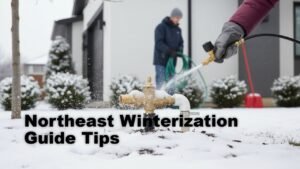
Irrigation may be unnecessary in colder climates.
Understanding seasonal patterns helps avoid sudden violations.
Practical Tips for Homeowners
Follow these steps to stay compliant:
- Check local municipal websites monthly
- Install rain sensors
- Water early in the morning
- Fix leaks immediately
- Adjust schedules after rainfall
- Avoid watering during windy conditions
Small changes make a significant impact.
Environmental and Financial Benefits
Following a state-by-state water restriction overview reduces costs and supports sustainability.
Benefits include:
- Lower utility bills
- Healthier landscapes
- Reduced runoff pollution
- Longer irrigation system lifespan
- Compliance with local laws
Efficient water use benefits both property owners and communities.
Common Mistakes to Avoid
Avoid these frequent errors:
- Ignoring local updates
- Watering during restricted hours
- Overlapping sprinkler coverage
- Running systems during rain
- Failing to maintain equipment
Preventing these mistakes saves money and protects landscapes.
FAQs About State-by-State Water Restriction Overview
How often do water restrictions change?
Restrictions change based on drought conditions and reservoir levels. Many municipalities update rules seasonally.
Where can I find local watering rules?
Check city or county water department websites. Many utilities provide online schedules.
Are smart irrigation controllers required?
Some states mandate them for new systems. Many regions strongly encourage their use.
What happens if I violate restrictions?
Penalties may include warnings, fines, or water service limits. Repeat violations can increase penalties.
Do restrictions apply to commercial properties?
Yes. Commercial landscapes must follow the same rules as residential properties.
Conclusion
State-by-state water restriction overview planning remains essential for responsible landscape management. Regulations will continue evolving as climate patterns shift and demand increases.
Property owners who understand local rules avoid penalties and maintain healthier landscapes. Efficient irrigation technology and informed scheduling provide long-term savings.
Staying informed and proactive ensures compliance while protecting valuable outdoor spaces. Review your local rules today and explore smart irrigation upgrades that keep your landscape thriving under any restriction level.