Water rate trends in the USA are reshaping how homeowners and property managers plan budgets, manage irrigation, and invest in infrastructure. Over the past decade, water and wastewater bills have steadily increased across most regions.
Utility providers face aging infrastructure, climate stress, stricter environmental regulations, and rising operational costs. Those pressures flow directly to ratepayers.
Understanding water rate trends in the USA allows property owners to forecast expenses, adjust irrigation strategies, and implement efficiency upgrades before costs escalate further.
Why Water Rates Are Rising Nationwide
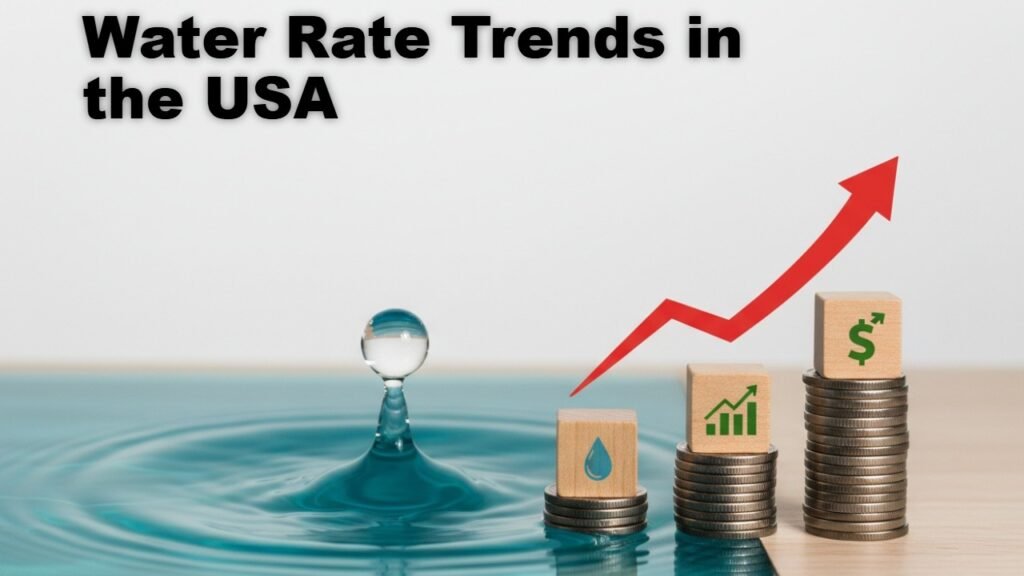
Water service once ranked among the most affordable utilities in the country. That reality has changed. Water rate trends in the USA show consistent upward movement in both residential and commercial billing.
Aging Infrastructure
Much of the nation’s water infrastructure dates back 50 to 100 years. Pipes, treatment facilities, and pumping stations require replacement.
Utility systems must fund:
- Main line replacements
- Leak detection programs
- Treatment plant upgrades
- Pump station modernization
Capital improvement costs significantly influence water rate trends in the USA.
Regulatory Compliance Costs
Federal and state environmental regulations have tightened over time. Utilities must meet stricter standards under laws such as the Safe Drinking Water Act and the Clean Water Act.
Treatment upgrades increase operating costs. Those expenses pass to customers through higher rates.
Climate and Drought Impacts
Western states face long-term drought cycles. Reduced water supply increases sourcing and treatment costs.
Utilities invest in:
- Reservoir expansion
- Groundwater pumping
- Desalination facilities
- Recycled water systems
Climate variability plays a central role in modern water rate trends in the USA.
Regional Differences in Water Rate Trends in the USA
This YouTube video below from JAIN by Rivulis explains the cost of water and how water rates work in the United States. It highlights pricing factors, usage tiers, and conservation impacts. The video serves as a quick reference for understanding water billing and cost management.
Rates vary widely by region. Geography, water availability, and infrastructure age influence pricing.
Western States
Western cities often report the highest water bills. Drought conditions and limited supply drive up costs.
Common factors include:
- Scarcity pricing models
- Tiered conservation rates
- Infrastructure investments
- Imported water expenses
States such as California, Arizona, and Nevada frequently adjust rates to manage supply.
Southern States
Southern regions experience moderate increases. Abundant rainfall helps stabilize supply, but rapid population growth strains infrastructure.
Contributing factors:
- Expanding suburban developments
- Stormwater management upgrades
- Wastewater treatment expansion
Texas and Florida demonstrate rising demand pressures.
Midwestern States
Midwestern cities face infrastructure replacement challenges. Aging pipe networks increase capital spending needs.
Water rate trends in the USA show steady growth in cities like Chicago and Cleveland due to modernization projects.
Northeastern States
Northeastern utilities often manage older systems. Combined sewer overflows require upgrades to meet federal standards.
These compliance costs directly impact billing structures.
How Utilities Structure Water Bills
Understanding billing models clarifies why water rate trends in the USA affect properties differently.
Fixed Service Charges
Customers pay a base fee regardless of usage. This fee covers infrastructure maintenance and administrative costs.
Volumetric Rates
Volumetric charges depend on water usage measured in gallons or cubic feet. Higher usage results in higher bills.
Tiered Rate Structures
Tiered systems charge progressively higher rates as usage increases. These structures encourage conservation.
Example of tiered pricing:
- Tier 1: Low-cost base usage
- Tier 2: Moderate rate
- Tier 3: Premium rate for high consumption
Tiered systems amplify the impact of water rate trends in the USA on high-usage properties.
Impact on Homeowners
Rising water costs influence household budgets and landscape maintenance decisions.
Increased Monthly Utility Bills
Average residential water bills have climbed steadily over the past decade. Even modest annual increases compound over time.
Landscaping Adjustments
Homeowners reduce turf areas to lower irrigation demand. Drought-tolerant landscaping becomes more attractive.
Smart Technology Adoption
Water rate trends in the USA encourage investment in:
- Smart irrigation controllers
- Soil moisture sensors
- Drip irrigation systems
- Leak detection devices
Technology helps offset rate increases.
Impact on Property Managers
Property managers face larger-scale exposure to rising water costs.
Multi-Family Housing
Apartment complexes consume significant water for landscaping and common areas. Rate increases directly affect operating expenses.
Commercial Properties
Office parks, retail centers, and hospitality facilities require irrigation and cooling systems. Higher rates reduce net operating income.
Budget Forecasting Challenges
Water rate trends in the USA complicate long-term financial planning. Annual rate adjustments require flexible budgeting.
Water Conservation Incentives
Many utilities offer rebates to reduce consumption.
Common Incentives
- Turf replacement rebates
- Smart controller rebates
- Rain barrel programs
- Low-flow fixture incentives
Participation lowers consumption and mitigates rising costs.
Technology and Data in Water Management
This YouTube video below from RegenAG Nation discusses water technology and data management in agriculture. It highlights how monitoring tools and data improve water efficiency and decision-making. The video serves as a quick reference for modern water management strategies.
Modern technology reshapes how properties respond to water rate trends in the USA.
Smart Meters
Smart meters provide real-time usage data. Property managers can detect abnormal consumption quickly.
Leak Detection Systems
Early leak detection prevents high bills and property damage.
Irrigation Audits
Professional irrigation audits identify inefficiencies. Audits often reveal overwatering or poor system design.
Long-Term Infrastructure Investment
Utilities nationwide must invest billions in system upgrades.
Capital Improvement Programs
Projects include:
- Pipe replacement
- Pump station upgrades
- Treatment plant expansion
- Stormwater improvements
These investments ensure reliability but contribute to rising rates.
Resilience Planning
Climate resilience projects protect supply during drought or flooding. Long-term resilience requires funding.
Water rate trends in the USA reflect these long-term infrastructure priorities.
Financial Planning Strategies for Property Owners
Proactive planning reduces exposure to rate increases.
Conduct Water Audits
Annual audits identify inefficiencies. Reduced waste lowers monthly bills.
Upgrade Irrigation Systems
Replace outdated controllers with weather-based systems. Install drip irrigation in plant beds.
Monitor Usage Monthly
Track consumption trends. Investigate spikes immediately.
Budget for Annual Increases
Assume steady rate growth when forecasting expenses.
Environmental and Sustainability Considerations
Water rate trends in the USA align with sustainability goals.
Reduced Water Waste
Higher rates encourage conservation. Reduced waste benefits ecosystems and aquifers.
Lower Energy Use
Water treatment and pumping require energy. Lower consumption reduces carbon emissions.
Improved Infrastructure Reliability
Upgrades reduce leaks and service disruptions.
Key Drivers Shaping Future Water Rate Trends in the USA
Several long-term factors will influence future costs.
- Continued infrastructure replacement
- Population growth in arid regions
- Stricter environmental standards
- Climate variability
- Investment in advanced treatment technology
These drivers suggest rates will likely continue rising gradually.
Practical Steps to Control Water Expenses
Homeowners and property managers can take immediate action.
- Install smart irrigation controllers
- Replace spray heads with high-efficiency nozzles
- Reduce turf coverage
- Repair leaks promptly
- Use drought-tolerant landscaping
- Adjust watering schedules seasonally
- Monitor billing statements
Small improvements produce measurable savings.
FAQs About Water Rate Trends in the USA
Why are water bills increasing every year?
Infrastructure upgrades, regulatory compliance, and climate pressures increase operational costs. Utilities adjust rates to fund improvements.
Which regions have the highest water rates?
Western states often report higher rates due to drought and limited supply.
Do tiered rate structures save money?
Yes. Lower usage keeps customers in lower-cost tiers.
Are rate increases expected to continue?
Most analysts expect gradual increases due to ongoing infrastructure needs.
How can property managers reduce water expenses?
Invest in smart technology, perform regular audits, and upgrade inefficient irrigation systems.
Conclusion
Water rate trends in the USA reflect broader challenges facing public utilities. Aging infrastructure, climate pressures, and regulatory compliance drive steady increases.
Homeowners and property managers who monitor usage and invest in efficiency upgrades can reduce financial impact. Strategic water management not only protects budgets but also supports long-term sustainability.
Evaluate your current water usage today and explore efficiency improvements that position your property ahead of future rate increases.