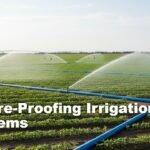
Desert Irrigation Design Principles are essential for homeowners and property managers operating in arid and semi-arid climates. Desert regions face extreme heat, low humidity, minimal rainfall, and high evaporation rates. These conditions demand irrigation systems that maximize efficiency and minimize water loss.
Traditional irrigation designs waste water in desert environments. High temperatures and sandy soils increase evaporation and runoff. A well-planned irrigation system in desert conditions protects landscapes, reduces utility costs, and ensures compliance with water regulations.
This guide explains how to design and manage irrigation systems effectively in desert climates.

Why Desert Irrigation Requires Specialized Design
Desert environments present unique challenges that affect water delivery and plant survival.
Desert Irrigation Design Principles address:
- Extreme heat exposure
- Rapid soil drainage
- High evapotranspiration rates
- Limited water supply
- Strict water regulations
Water scarcity increases the need for efficient irrigation planning. Every gallon must be delivered accurately and effectively.
This YouTube video below from Enlightenment Garden explains an irrigation system for backyard fruit trees in a desert climate. It shows how targeted watering supports tree health and reduces water waste. The video serves as a quick reference for efficient desert irrigation setups.
Understanding Desert Climate Conditions
Desert climates typically experience:
- Intense sunlight
- Large temperature swings
- Low annual rainfall
- Dry winds
These factors accelerate soil moisture loss. Irrigation systems must compensate for high evaporation while preventing waste.
Proper design reduces water stress and supports sustainable landscape management.
Core Desert Irrigation Design Principles
1. Prioritize Drip Irrigation Systems
Drip irrigation delivers water directly to plant roots. This reduces evaporation and runoff.
Benefits include:
- Higher efficiency
- Reduced wind drift
- Lower water usage
- Improved root health
Drip systems are a foundation of Desert Irrigation Design Principles.
2. Hydro-Zoning for Water Efficiency
Group plants by water needs. Separate high-water plants from drought-tolerant species.
Hydro-zoning ensures:
- Targeted watering
- Reduced overwatering
- Improved plant survival
- Better schedule control
Desert irrigation requires precise zoning.
3. Soil Improvement and Mulching
Desert soils often contain sand and low organic matter. Improving soil structure increases water retention.
Use:
- Compost amendments
- Organic mulch
- Soil moisture conditioners
Healthy soil reduces watering frequency.
4. Smart Controllers and Weather-Based Scheduling
Smart irrigation controllers adjust watering schedules based on temperature and weather data.
Advantages include:
- Automatic seasonal adjustments
- Reduced water waste
- Compliance with restrictions
- Remote monitoring
Desert Irrigation Design Principles emphasize technology integration.
5. Pressure Regulation and System Calibration
This YouTube video below from Additel explains the basics of pressure calibration. It shows how accurate pressure readings support system safety and performance. The video serves as a quick reference for understanding calibration fundamentals.
High pressure increases misting and evaporation. Pressure regulators ensure consistent water delivery.
Routine calibration improves efficiency and extends system lifespan.
Sample Desert Irrigation Planning Table
| Design Element | Recommended Practice | Frequency | Priority |
|---|---|---|---|
| Irrigation Type | Drip irrigation | Permanent | High |
| Soil Management | Add organic matter | Seasonal | High |
| Controller Updates | Weather-based scheduling | Monthly review | High |
| Leak Detection | Flow monitoring | Monthly | Medium |
| Maintenance Checks | System inspection | Quarterly | Medium |
This framework ensures structured implementation of Desert Irrigation Design Principles.
Plant Selection for Desert Landscapes
Selecting appropriate plants reduces irrigation demand.
Choose:
- Native desert species
- Drought-tolerant shrubs
- Succulents
- Low-water turf alternatives
Avoid high-water-demand turf areas unless necessary.
Plant selection is central to desert irrigation efficiency.
Managing Water Regulations in Desert Regions
Desert states often impose strict water restrictions.
Managers should:
- Monitor watering schedules
- Comply with time-of-day rules
- Install required rain or soil sensors
- Track water usage monthly
Desert Irrigation Design Principles align with regulatory compliance.
Efficient systems reduce the risk of fines and service interruptions.
Maintenance Practices in Desert Environments
Heat and UV exposure degrade irrigation components faster in desert climates.
Recommended maintenance includes:
- Inspecting drip lines for clogging
- Checking emitters regularly
- Monitoring pressure levels
- Cleaning filters
- Replacing worn parts promptly
Consistent maintenance prevents system failure.
Water Budget Planning in Desert Areas
Water budgeting helps manage limited resources.
Steps include:
- Calculating landscape area
- Estimating evapotranspiration rates
- Monitoring monthly usage
- Adjusting schedules seasonally
Desert Irrigation Design Principles require strict water budgeting.
Tracking consumption supports cost control and sustainability goals.
Risk Management and Liability
Overwatering in desert areas can cause:
- Soil erosion
- Runoff damage
- Foundation issues
- Waste of limited water resources
Managers should monitor high-risk areas and prevent runoff.
Proper documentation of maintenance supports insurance protection.
Implementation Steps
Step 1: Conduct Site Assessment
Evaluate soil type, plant selection, and water availability.
Step 2: Design Efficient Irrigation Layout
Use drip systems and proper zoning.
Step 3: Install Smart Technology
Integrate weather-based controllers and sensors.
Step 4: Improve Soil Quality
Add organic matter and mulch.
Step 5: Monitor and Adjust
Track performance and refine schedules.
Desert Irrigation Design Principles require continuous evaluation.
Common Mistakes to Avoid
Avoid:
- Using spray irrigation in high-wind areas
- Overwatering sandy soil
- Ignoring soil improvement
- Skipping maintenance
- Failing to adjust schedules seasonally
Small inefficiencies become costly in desert environments.
Practical Tips for Property Managers
- Water early in the morning
- Inspect systems monthly
- Replace inefficient components
- Track usage carefully
- Train maintenance staff
Proactive management ensures long-term success.
Frequently Asked Questions
What are Desert Irrigation Design Principles?
They are guidelines for designing and managing irrigation systems efficiently in arid climates.
Why is drip irrigation preferred in desert areas?
It delivers water directly to roots, reducing evaporation and runoff.
How often should irrigation schedules be adjusted?
Monthly reviews and seasonal adjustments are recommended.
Can smart controllers improve efficiency?
Yes. They adjust watering based on weather conditions.
What is the biggest irrigation challenge in deserts?
High evaporation and limited water supply.
Conclusion
Desert Irrigation Design Principles provide a structured approach to managing water efficiently in arid climates. Drip systems, smart technology, soil improvement, and precise zoning reduce water waste and protect landscape health. Property managers who implement desert-specific irrigation strategies achieve better cost control, regulatory compliance, and long-term sustainability.
Efficient desert irrigation begins with thoughtful design and ongoing monitoring. Discover more expert irrigation planning resources on the irrigation strategy resource center to strengthen long-term landscape performance.