Avoiding Liability from Water Runoff Issues is essential for protecting property owners, homeowners associations, and commercial managers from costly legal disputes and infrastructure damage. Uncontrolled runoff can flood neighboring properties, damage sidewalks and parking lots, and create dangerous slip hazards. These conditions often lead to claims, insurance disputes, and expensive repairs.
Water runoff problems often begin with minor drainage or irrigation issues. Over time, they escalate into structural damage, erosion, and legal exposure. Property managers who implement proactive runoff control strategies reduce risk and maintain compliance with local regulations.
This guide explains how to identify runoff risks, implement preventive measures, and protect properties from liability exposure.

Why Water Runoff Creates Legal Risk
This YouTube video below from the Livestock & Poultry Environmental Learning Community explains runoff risk advisory tools for water quality protection. It discusses how these tools help plan irrigation and nutrient use safely. The video serves as a quick reference for reducing runoff and protecting waterways.
Water that leaves a property and causes damage elsewhere can create legal responsibility. Property owners are often liable when drainage systems or irrigation practices cause water to flow onto neighboring land.
Avoiding Liability from Water Runoff Issues helps managers:
- Prevent structural damage claims
- Reduce slip-and-fall incidents
- Maintain compliance with regulations
- Protect insurance coverage
- Preserve property value
Courts often evaluate whether property owners took reasonable steps to prevent runoff damage. Proper planning and documentation are critical.
Common Sources of Water Runoff Problems
Runoff issues often result from preventable system failures.
Over-Irrigation
Excess watering saturates soil and causes water to flow across hard surfaces. Overspray onto sidewalks and parking lots increases liability risk.
Poor Grading
Improper slope directs water toward buildings or neighboring properties. Over time, this can damage foundations and create disputes.
Blocked Drainage Systems
Clogged drains and catch basins prevent proper water flow. Water accumulates and spreads to unintended areas.
Broken Irrigation Components
Leaks and stuck valves release continuous water. These failures often go unnoticed until damage appears.
Avoiding Liability from Water Runoff Issues requires addressing each potential source.
Legal Responsibilities for Property Owners
Property owners must manage water responsibly. Local codes often require proper drainage and runoff control.
Legal exposure may arise when:
- Water flows onto adjacent property
- Runoff damages public infrastructure
- Slippery surfaces cause injuries
- Drainage violations occur
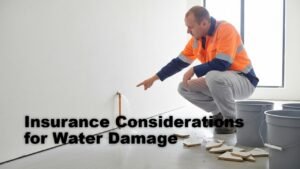
Insurance may not cover damage caused by neglect. Preventive maintenance demonstrates responsible management.
Key Risk Areas to Monitor
Certain property areas present higher runoff risk.
Monitor:
- Sloped landscapes
- Parking lots
- Walkways
- Retaining walls
- Building foundations
Water tends to follow the path of least resistance. Small grading issues can create major runoff problems.
Avoiding Liability from Water Runoff Issues involves routine inspection of high-risk zones.
How Irrigation Systems Contribute to Runoff
This YouTube video below from Earth Science Answers explains how runoff can be reused for irrigation and agriculture. It highlights methods to capture, store, and apply excess water effectively. The video serves as a quick reference for improving water reuse and sustainability.
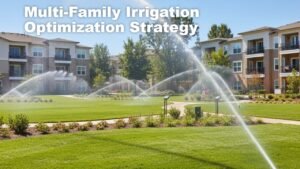
Irrigation systems are a major source of runoff when poorly maintained.
Common issues include:
- Misaligned sprinkler heads
- Excess watering schedules
- Broken pipes
- Low soil absorption
- Poor zoning design
Proper irrigation management reduces water movement beyond intended areas.
Smart controllers and flow sensors improve control and monitoring.
Preventive Strategies for Runoff Control
Proactive measures reduce liability risk significantly.
Improve Drainage Design
Ensure proper grading directs water away from structures. Install drains and swales where necessary.
Adjust Irrigation Schedules
Match watering frequency to soil and plant needs. Avoid watering during heavy rainfall periods.
Install High-Efficiency Equipment
Use drip irrigation in planting beds. Replace outdated spray heads with efficient models.
Conduct Routine Inspections
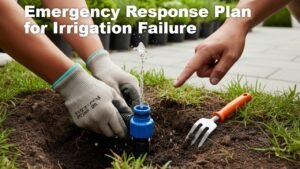
Inspect irrigation and drainage systems regularly. Repair leaks and blockages immediately.
Avoiding Liability from Water Runoff Issues requires consistent oversight.
Role of Maintenance in Liability Prevention
Maintenance records support legal defense if disputes arise. Documenting inspections and repairs demonstrates responsible management.
Maintain logs of:
- Irrigation audits
- Drainage cleaning
- Leak repairs
- Controller adjustments
- Seasonal inspections
Documentation strengthens insurance claims and legal protection.
Technology Solutions for Runoff Management
Modern tools improve monitoring and control.
Consider installing:
- Smart irrigation controllers
- Flow sensors
- Soil moisture sensors
- Drainage monitoring systems
These technologies alert managers to problems early. Early detection reduces damage and liability.
Avoiding Liability from Water Runoff Issues becomes easier with real-time monitoring.
Financial Impact of Runoff Problems
Runoff damage can result in:
- Foundation repairs
- Pavement replacement
- Landscape restoration
- Insurance claims
- Legal costs
Preventive measures cost far less than litigation or major repairs.
Budgeting for maintenance and upgrades reduces long-term financial risk.
Steps to Develop a Runoff Prevention Plan
Step 1: Conduct Property Assessment
Evaluate grading, drainage, and irrigation systems.
Step 2: Identify High-Risk Zones
Map areas where water accumulates or flows outward.
Step 3: Implement Corrective Measures
Adjust slopes, repair leaks, and upgrade equipment.
Step 4: Establish Inspection Schedule
Perform regular inspections and document findings.
Step 5: Review Insurance Coverage
Confirm policies cover potential water-related claims.
Avoiding Liability from Water Runoff Issues requires continuous monitoring and adjustment.
Common Mistakes to Avoid
Property managers often overlook early warning signs.
Avoid:
- Ignoring small leaks
- Overwatering turf
- Skipping inspections
- Delaying drainage repairs
- Failing to document maintenance
Small problems often escalate into legal disputes.
Practical Tips for Property Managers
- Review water bills monthly
- Inspect after heavy rain
- Maintain drainage systems
- Train staff on runoff risks
- Coordinate with irrigation vendors
Active management prevents liability issues.
Frequently Asked Questions
What causes most runoff liability claims?
Over-irrigation, poor grading, and blocked drainage systems are common causes.
Can insurance cover runoff damage?
Coverage depends on policy terms and maintenance documentation.
How often should drainage systems be inspected?
Quarterly inspections and post-storm checks are recommended.
Do smart irrigation systems help prevent runoff?
Yes. They adjust watering schedules and detect leaks early.
Who is responsible for runoff damage?
Property owners are typically responsible when runoff originates from their property.
Conclusion
Avoiding Liability from Water Runoff Issues protects property owners from legal disputes, structural damage, and costly repairs. Proper drainage design, efficient irrigation practices, and routine inspections reduce risk and improve property safety. Managers who implement proactive runoff control strategies maintain compliance, protect insurance coverage, and preserve property value.
Effective runoff management begins with awareness and preventive action. Explore how a structured runoff control plan can safeguard your property and reduce long-term liability exposure.