Irrigation compliance requirements by state vary significantly across the United States, and failing to follow them can result in fines, system shutdowns, or liability exposure. Water conservation laws, backflow prevention mandates, licensing standards, and seasonal restrictions differ depending on climate, water availability, and environmental policy.
Homeowners, HOAs, and commercial property managers must understand that irrigation systems are regulated infrastructure. They connect to public water supplies, affect stormwater runoff, and influence groundwater protection. Because of this, irrigation systems often fall under plumbing, environmental, and municipal code oversight.
This guide explains irrigation compliance requirements by state, highlights major regulatory categories, and provides practical steps for maintaining legal and operational compliance.
Why Irrigation Compliance Matters
Water is a regulated resource in every state. Irrigation systems draw large volumes of water and, if improperly designed or maintained, can contaminate public supply lines.
Non-compliance may result in:
- Fines and penalties
- Required system modifications
- Increased insurance risk
- Denial of occupancy permits
- Legal liability
Understanding irrigation compliance requirements by state helps protect both property value and operational stability.
Core Categories of Irrigation Compliance
Although regulations differ by state, most irrigation compliance requirements fall into several common categories.
1. Backflow Prevention
This YouTube video below from Pro Irrigation Training explains the main types of backflow preventers used in irrigation systems. It outlines how each device protects clean water from contamination. The video serves as a quick reference for understanding safe sprinkler system design.
Backflow devices prevent irrigation water from flowing backward into potable water systems. Many states require:
- Approved backflow preventers
- Annual testing
- Certified inspectors
- Documentation submission
Backflow compliance is one of the most strictly enforced irrigation compliance requirements by state.
2. Contractor Licensing
Several states require licensed irrigation contractors for installation and repair.
States such as Texas, Florida, and North Carolina require:
- State-issued irrigation licenses
- Continuing education credits
- Insurance coverage
- Registration with regulatory boards
Unlicensed installation may void warranties or violate building codes.
3. Water Use Restrictions
Drought-prone states often impose watering restrictions.
Common regulations include:
- Designated watering days
- Time-of-day restrictions
- Prohibited overspray
- Limitations during drought declarations
These irrigation compliance requirements by state are especially strict in arid regions.
4. System Inspections and Permits
Some municipalities require irrigation permits for new installations or significant upgrades.
Inspection requirements may include:
- Pressure testing
- Cross-connection inspection
- Drainage review
- Controller programming verification
Permitting ensures systems meet local plumbing and environmental standards.
Regional Differences in Irrigation Regulations
This YouTube video below from Sprinkler Pros compares irrigation practices in the Midwest and California. It explains how climate, soil, and regulations shape different watering strategies. The video serves as a quick reference for region-specific irrigation planning.
Western States
States like California, Arizona, and Nevada enforce strict water conservation laws due to limited water supply.
Common features include:
- Smart controller mandates
- Water-efficient landscape ordinances
- Drought contingency plans
Western irrigation compliance requirements by state emphasize efficiency and conservation.
Southern States
Southern states often require irrigation licensing and backflow testing.
For example:
- Texas requires licensed irrigators
- Florida mandates backflow certification
- Georgia enforces water use restrictions in drought zones
High rainfall does not eliminate regulation, especially regarding potable water protection.
Northeastern States
Colder climates focus more on plumbing codes and winterization requirements.
Common regulations include:
- Backflow testing
- System shutdown standards
- Plumbing inspection
Seasonal weather affects compliance priorities.
Midwestern States
Midwestern states typically regulate backflow prevention and contractor licensing.
Water restrictions are less frequent but may occur during drought conditions.
Compliance Comparison Table
| Compliance Area | Common Requirement | States Most Strict |
|---|---|---|
| Backflow Testing | Annual certification | TX, FL, CA |
| Contractor Licensing | State license required | TX, NC, NJ |
| Water Restrictions | Designated watering days | CA, AZ, NV |
| Smart Controller Mandate | Required for new installs | CA |
| Permit Requirement | Installation permit | Many municipalities |
| Cross-Connection Control | Mandatory inspection | Most states |
This table highlights major irrigation compliance requirements by state.
Environmental Regulations and Stormwater Control
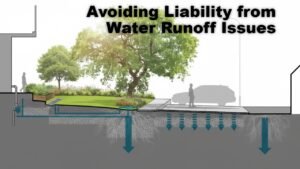
Irrigation systems must not contribute to runoff pollution.
Stormwater Management
Some states require irrigation design to prevent runoff into storm drains.
Erosion Control
Improper irrigation may violate environmental standards.
Fertilizer and Chemical Regulations
States regulate fertilizer application timing to prevent water contamination.
Environmental oversight increasingly influences irrigation compliance requirements by state.
Smart Irrigation and Efficiency Standards
Modern efficiency standards shape compliance rules.
Weather-Based Controllers
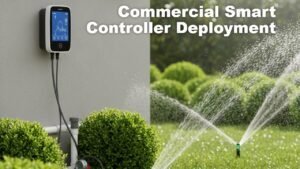
Some jurisdictions require smart controllers for new installations.
Drip Irrigation Requirements
Drip irrigation may be mandated for narrow planting strips.
Pressure Regulation
Pressure-regulated heads reduce misting and water waste.
Technology plays a growing role in irrigation compliance requirements by state.
Recordkeeping and Documentation
Documentation is essential for compliance.
Property managers should maintain:
- Backflow test certificates
- Contractor licenses
- Inspection reports
- Permit approvals
- Maintenance logs
Clear documentation simplifies audits and inspections.
Practical Compliance Checklist
Follow this structured approach:
- Verify local licensing requirements
- Install approved backflow preventers
- Schedule annual inspections
- Monitor watering restrictions
- Upgrade to smart controllers if required
- Maintain compliance records
- Review municipal codes annually
This checklist ensures adherence to irrigation compliance requirements by state.
Common Compliance Mistakes
Avoid these errors:
Skipping Backflow Testing
Annual testing is mandatory in many states.
Ignoring Water Restrictions
Watering outside permitted times can result in fines.
Using Unlicensed Contractors
Unlicensed work may violate code.
Poor Documentation
Missing records complicate inspections.
Avoiding these mistakes reduces risk and penalties.
Risk Management and Liability
Compliance reduces liability exposure.
Improper irrigation can cause:
- Property damage
- Water contamination
- Neighbor disputes
- Regulatory fines
Understanding irrigation compliance requirements by state helps protect financial and legal interests.
FAQs
Do irrigation systems require permits?
In many areas, yes. Permit requirements vary by municipality and state.
Is backflow testing mandatory?
Most states require annual backflow testing for systems connected to potable water.
Are smart controllers required by law?
Some states, particularly California, mandate smart irrigation controllers for new installations.
Can I install my own irrigation system?
Some states allow DIY installation, but others require licensed contractors.
How often should compliance rules be reviewed?
Review regulations annually and during drought declarations.
Conclusion
Water regulation continues to evolve across the United States. Irrigation compliance requirements by state protect public water supplies, promote conservation, and reduce environmental impact. Property managers and homeowners must understand licensing rules, backflow mandates, inspection requirements, and water restrictions.
Proactive compliance planning reduces legal risk and protects property value. Stay informed about local regulations, maintain documentation, and partner with licensed professionals to ensure your irrigation system meets all regulatory standards and operates responsibly for years to come.