Lifecycle cost of commercial irrigation systems determines the true financial impact of landscape infrastructure over time. Many property owners focus only on installation costs, yet irrigation systems generate expenses throughout their operational life. Water usage, maintenance, repairs, and eventual replacement all contribute to the total cost of ownership.
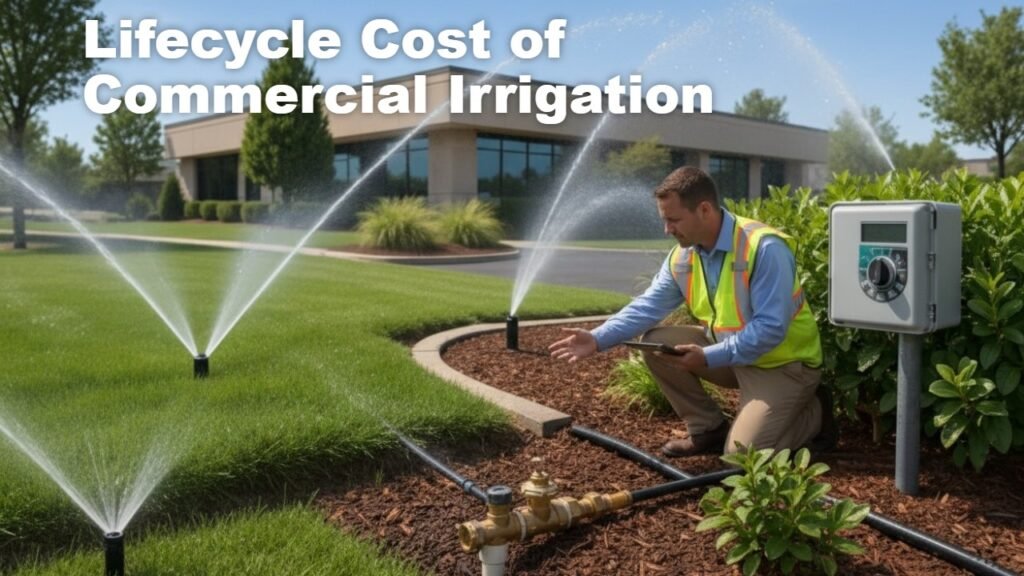
Property managers and facility owners must evaluate irrigation systems as long-term assets rather than short-term installations. Understanding full lifecycle costs helps stabilize budgets, prevent unexpected repairs, and maintain landscape performance.
This guide explains how to calculate lifecycle costs, identify cost drivers, and implement strategies that reduce total ownership expenses for commercial irrigation systems.
What Lifecycle Cost Means in Irrigation
This YouTube video below from the Environmental Finance Center at UNC-Chapel Hill explains the concept of life cycle cost. It shows how to evaluate long-term expenses beyond initial installation. The video serves as a quick reference for smarter infrastructure and water system planning.
Lifecycle cost includes all expenses associated with an irrigation system from installation through replacement. It provides a comprehensive financial view beyond the initial purchase.
Key cost phases include:
- Design and installation
- Operation and water use
- Maintenance and repairs
- Upgrades and retrofits
- Replacement
Evaluating lifecycle cost of commercial irrigation systems helps decision-makers understand long-term financial commitments.
Why Lifecycle Cost Planning Matters
Focusing only on installation cost often leads to higher long-term spending. Cheaper components may require frequent repairs or replacement.
Lifecycle planning allows property managers to:
- Predict future expenses
- Reduce emergency repairs
- Improve water efficiency
- Extend system lifespan
- Maintain consistent landscape quality
A lifecycle approach ensures irrigation systems remain financially sustainable.
Initial Installation Costs
Installation costs represent the first phase of lifecycle expenses.
System Design
Professional design ensures proper zoning, pressure balance, and drainage coordination. While design adds upfront cost, it prevents future inefficiencies.
Materials and Equipment
Costs include:
- Controllers
- Valves
- Sprinkler heads
- Pipes
- Pumps
- Sensors
Higher-quality materials often reduce long-term maintenance costs.
Labor and Installation
Labor costs vary based on property size and complexity. Larger commercial sites require extensive trenching and installation time.
Installation cost is only one component of lifecycle cost of commercial irrigation systems.
Operational Costs Over Time
Operational costs continue throughout the system’s life.
Water Usage
Water represents the largest ongoing expense for most commercial properties. Inefficient systems increase consumption and cost.
Energy Consumption
Pumps and controllers require electricity. Efficient equipment reduces energy expenses.
Seasonal Adjustments
Seasonal system adjustments ensure proper watering and prevent waste.
Monitoring operational costs is essential for accurate lifecycle planning.
Maintenance and Repair Costs
Maintenance ensures system reliability.
Routine Maintenance
Routine tasks include:
- Inspecting sprinkler heads
- Adjusting controllers
- Checking pressure levels
- Cleaning filters
Preventive maintenance reduces repair frequency.
Repair Costs
Over time, components wear out. Repairs include valve replacement, pipe repairs, and controller troubleshooting.
Regular maintenance extends lifespan and reduces total lifecycle cost of commercial irrigation systems.
Replacement and Upgrade Costs
Eventually, components require replacement.
Controller Replacement
Controllers typically last 10–15 years. Upgrading to smart controllers improves efficiency.
Pump Replacement
This YouTube video below explains how to replace a hot tub pump step by step. It covers basic tools, removal, wiring, and installation tips. The video serves as a quick reference for safe and efficient pump replacement.
Pumps may last 10–20 years depending on usage. Replacement requires significant investment.
Pipe and Valve Replacement
Pipes and valves may last decades but require periodic replacement.
Planning for replacements prevents budget shocks.
Technology and Efficiency Improvements
Technology can reduce lifecycle costs.
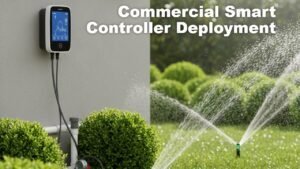
Smart Controllers
Smart controllers adjust watering schedules based on weather conditions. This reduces water waste and utility costs.
Flow Sensors
Flow sensors detect leaks early. Early detection prevents costly water loss.
Drip Irrigation
Drip systems reduce water use in planting beds and improve efficiency.
Technology investments may increase initial cost but reduce long-term expenses.
Lifecycle Cost Comparison Table
| Cost Category | Initial Cost | Ongoing Cost | Long-Term Impact |
|---|---|---|---|
| Installation | High | None | Sets baseline |
| Water Usage | None | High | Major expense |
| Maintenance | Low | Moderate | Prevents failure |
| Repairs | None | Moderate | Increases with age |
| Replacement | High | Periodic | Essential for longevity |
| Technology Upgrades | Moderate | Low | Improves efficiency |
This table illustrates how costs accumulate over time.
Budget Forecasting Strategies
Effective budgeting requires both short-term and long-term planning.
Annual Budget
Include:
- Water usage
- Maintenance
- Minor repairs
- Inspections
Capital Reserve
Set aside funds annually for major replacements. This prevents sudden financial strain.
Cost Monitoring
Track expenses and compare against forecasts. Adjust budgets as needed.
Budget planning supports accurate lifecycle cost of commercial irrigation systems management.
Common Cost Drivers
Several factors influence lifecycle cost.
Property Size
Larger properties require more water and maintenance.
Climate Conditions
Hot climates increase water usage. Cold climates require winterization.
Soil Type
Poor soil drainage increases irrigation demand.
Equipment Quality
High-quality components last longer and require fewer repairs.
Understanding these drivers helps control costs.
Risk Management and Compliance
Compliance and risk factors also affect lifecycle cost.
Backflow Testing
Annual testing ensures compliance and prevents fines.
Water Restrictions
Efficient systems reduce risk of non-compliance penalties.
Environmental Considerations
Sustainable irrigation practices reduce runoff and erosion.
Risk management should be part of lifecycle planning.
Practical Cost Reduction Tips
Use these strategies to reduce lifecycle costs:
- Conduct annual system audits
- Upgrade to efficient equipment
- Adjust watering schedules seasonally
- Monitor water usage
- Replace aging components proactively
- Train maintenance staff
Proactive management reduces long-term expenses.
FAQs
What is lifecycle cost in irrigation?
It includes all costs from installation through replacement and operation.
Why is lifecycle cost important?
It helps property managers plan budgets and reduce long-term expenses.
How can technology reduce lifecycle cost?
Smart controllers and sensors improve efficiency and reduce water use.
When should systems be replaced?
Replace components based on age, performance, and repair frequency.
Can maintenance reduce lifecycle cost?
Yes. Preventive maintenance extends system lifespan and reduces repairs.
Conclusion
Irrigation systems represent long-term investments that require careful financial planning. Lifecycle cost of commercial irrigation systems includes installation, operation, maintenance, and replacement expenses. Understanding these costs helps property managers make informed decisions and avoid unexpected financial burdens.
Strategic planning, efficient technology, and proactive maintenance reduce total ownership cost and improve landscape performance. Evaluate your system’s lifecycle carefully and implement cost management strategies that support reliable irrigation and long-term property value.