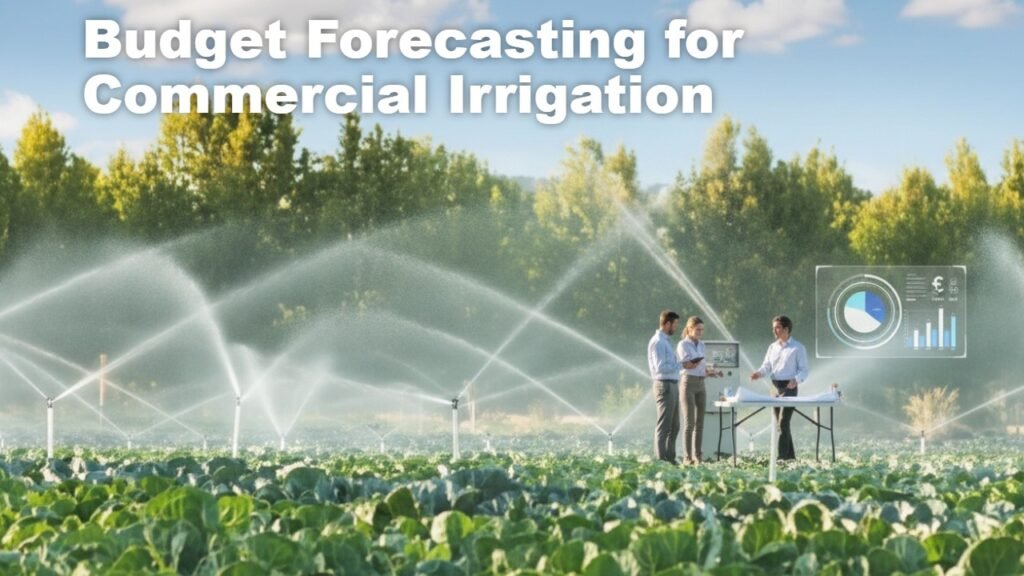
Budget forecasting for commercial irrigation ensures landscapes remain healthy without creating unpredictable expenses. Large properties rely on irrigation systems that operate daily, consume significant water, and require routine maintenance. Without clear financial planning, costs rise quickly and budgets become reactive.
Property managers must account for installation, maintenance, water usage, repairs, and long-term replacement. A structured financial strategy helps avoid emergency spending and ensures consistent performance across all zones.
This guide explains how to forecast irrigation costs accurately, plan capital replacements, and maintain operational efficiency. It provides practical methods for building reliable irrigation budgets that support long-term property value.
Why Budget Forecasting Matters for Irrigation Systems
This YouTube video below from Bocconi University explains simple methods for forecasting irrigation water consumption. It highlights how data and planning improve water efficiency and cost control. The video serves as a quick reference for smarter irrigation management decisions.
Irrigation systems are ongoing financial commitments. Water consumption, energy use, and repairs create recurring expenses. Over time, infrastructure also ages and requires replacement.
Without structured planning, properties often face:
- Sudden repair costs
- Rising utility bills
- Deferred maintenance
- Inefficient water use
- Landscape decline
Budget forecasting for commercial irrigation helps property managers anticipate costs and maintain financial stability.
Understanding Irrigation Cost Categories
Commercial irrigation expenses fall into several categories.
Capital Costs
Capital costs include major infrastructure investments such as:
- New system installation
- Pump replacement
- Controller upgrades
- Mainline replacement
These costs occur less frequently but require significant funding.
Operational Costs
Operational costs occur regularly and include:
- Water usage
- Electricity
- Labor
- Seasonal adjustments
- Minor repairs
Both cost types must be included in budget forecasting for commercial irrigation.
Assessing Current System Costs
Before forecasting future expenses, analyze current spending.
Review Utility Bills
Track water usage trends over 12 months. Identify seasonal spikes and inefficiencies.
Evaluate Maintenance Records
Review repair frequency and maintenance costs. Frequent repairs may signal aging equipment.
Inspect System Condition
Assess controllers, valves, and piping. Older systems often require replacement planning.
A detailed review provides a baseline for budget forecasting for commercial irrigation.
Lifecycle Planning for Irrigation Assets
Every irrigation component has a predictable lifespan.
| Asset Type | Typical Lifespan | Replacement Planning |
|---|---|---|
| Controllers | 10–15 years | Budget upgrades |
| Pumps | 10–20 years | Capital reserve |
| Valves | 8–12 years | Scheduled replacement |
| PVC Pipe | 20+ years | Long-term planning |
| Sprinkler Heads | 5–10 years | Ongoing maintenance |
Lifecycle planning allows property managers to forecast replacement costs years in advance.
Water Cost Forecasting
Water often represents the largest operational expense.
Analyze Historical Usage
Review past usage data to identify trends. Adjust forecasts based on seasonal patterns and climate changes.
Evaluate Efficiency
Older systems often waste water. Upgrading components may reduce long-term costs.
Account for Rate Increases
Municipal water rates often rise annually. Include projected increases in forecasts.
Accurate water projections are essential in budget forecasting for commercial irrigation.
Maintenance and Repair Forecasting
Maintenance costs vary by system condition and size.
Routine Maintenance Budget
Include:
- Seasonal start-up and shutdown
- Inspections
- Adjustments
- Minor repairs
Repair Contingency Fund
Unexpected failures occur. Allocate contingency funds to prevent budget strain.
Maintenance planning stabilizes annual costs.
Capital Replacement Planning
Large systems require periodic upgrades.
Establish Capital Reserve
Set aside funds annually for future replacements. This prevents sudden large expenses.
Prioritize Critical Components
Focus on pumps, controllers, and mainlines first. These components affect system-wide performance.
Schedule Replacements
Plan replacements during off-peak seasons to minimize disruption.
Strategic capital planning strengthens budget forecasting for commercial irrigation.
Technology Investments and Cost Savings
Technology improves efficiency and reduces long-term costs.
Smart Controllers
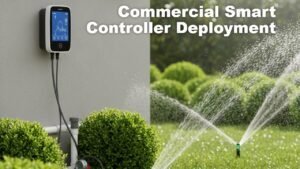
Smart controllers adjust watering schedules automatically. They reduce water waste and labor costs.
Flow Sensors
Flow sensors detect leaks early. Early detection prevents costly water loss.
Remote Monitoring
Remote monitoring systems allow centralized management across properties.
Technology investments often require upfront costs but reduce operational expenses over time.
Risk Management and Compliance Costs
Regulatory compliance affects budgets.
Backflow Testing
Annual backflow testing ensures compliance and prevents fines.
Water Restrictions
Some municipalities enforce watering limits. Non-compliance may result in penalties.
Environmental Compliance
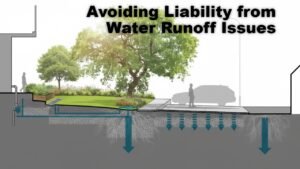
Efficient irrigation reduces runoff and supports sustainability goals.
Risk management should be included in budget forecasting for commercial irrigation.
Sample Budget Forecast Table
| Expense Category | Annual Cost Estimate | Notes |
|---|---|---|
| Water Usage | High | Seasonal variation |
| Maintenance Labor | Moderate | Monthly inspections |
| Repairs | Moderate | Contingency fund |
| Controller Upgrades | Periodic | Every 10–15 years |
| Pump Replacement | Long-term | Capital reserve |
| Technology Upgrades | Optional | Efficiency improvement |
This table provides a simplified planning structure.
Practical Forecasting Steps
Follow these steps for accurate budgeting:
- Review past expenses
- Identify aging components
- Estimate water usage
- Plan maintenance schedule
- Establish capital reserve
- Monitor costs annually
Consistent review improves accuracy.
Common Budgeting Mistakes
Avoid these errors:
Ignoring Replacement Costs
Failing to plan for replacements leads to emergency spending.
Underestimating Water Costs
Water usage often increases with landscape growth.
Skipping Maintenance
Deferred maintenance increases long-term costs.
Avoiding these mistakes strengthens budget forecasting for commercial irrigation.
Tips for Property Managers
Use these strategies:
- Conduct annual system audits
- Track water usage monthly
- Upgrade inefficient equipment
- Maintain detailed records
- Review budgets regularly
- Coordinate irrigation with drainage planning
Proactive management improves financial outcomes.
FAQs
Why is irrigation budgeting important?
It prevents unexpected expenses and ensures consistent landscape performance.
What is the largest irrigation expense?
Water usage typically represents the largest ongoing cost.
How often should budgets be reviewed?
Review annually and after major repairs or upgrades.
Can technology reduce irrigation costs?
Yes. Smart systems improve efficiency and reduce water use.
Should capital costs be planned separately?
Yes. Capital reserves prevent sudden large expenses.
Conclusion
Commercial landscapes depend on reliable irrigation systems. Budget forecasting for commercial irrigation ensures those systems remain efficient and financially manageable. By analyzing current costs, planning replacements, and monitoring performance, property managers maintain stable budgets and healthy landscapes.
Strategic forecasting reduces surprises, improves efficiency, and protects long-term property value. Implement a structured budgeting plan today to ensure your irrigation system delivers consistent performance and predictable costs for years to come.