Commercial System Auditing Checklist procedures help property managers and facility owners identify performance issues, reduce water waste, and protect landscape assets across large properties. Commercial irrigation systems operate across parking lots, medians, common areas, and building perimeters. These systems run frequently and often go unchecked until problems appear.
A structured audit allows managers to evaluate system efficiency, detect leaks, and verify that equipment operates as designed. Without routine auditing, water costs increase and landscape health declines.
This guide explains how to build a reliable checklist, conduct thorough inspections, and use audit data to improve irrigation performance and budget control.
Why Commercial Irrigation Audits Matter
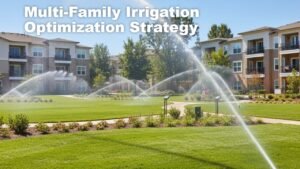
Large properties depend on reliable irrigation. Shopping centers, HOAs, office parks, and campuses require consistent watering schedules to maintain landscape quality.
A Commercial System Auditing Checklist helps managers:
- Detect hidden leaks
- Improve water efficiency
- Reduce repair costs
- Ensure regulatory compliance
- Extend system lifespan
Audits create measurable performance data. Managers can compare projected usage to actual consumption and adjust schedules accordingly.
Preventive audits cost far less than emergency repairs.
Key Goals of a Commercial Irrigation Audit
Every audit should focus on performance, safety, and cost control.
Primary objectives include:
- Verifying uniform water distribution
- Checking equipment condition
- Confirming controller accuracy
- Evaluating pressure levels
- Identifying runoff or overspray
A Commercial System Auditing Checklist ensures consistent evaluation across all properties.
Standardized checklists also support vendor accountability.
Core Sections of a Commercial System Auditing Checklist
A complete checklist covers system components from water source to sprinkler head.
Water Source and Meter Review
Begin with the main water source.
Inspect:
- Water meter accuracy
- Pressure levels
- Backflow preventers
- Shutoff valves
- Pump performance
Unexpected meter movement often indicates leaks.
Pressure readings should match system design specifications.
Controller and Programming Audit
Controllers manage watering schedules. Incorrect programming wastes water.
Check:
- Seasonal run times
- Zone sequencing
- Weather sensor connection
- Battery backups
- Remote monitoring systems
A Commercial System Auditing Checklist should verify controller settings monthly during peak season.
Valve and Zone Inspection
This YouTube video below from Dr. Denise DeBusk explains how to inspect and test irrigation zone valves. It outlines key steps to check performance, detect leaks, and ensure proper operation. The video serves as a quick reference for maintaining reliable irrigation systems.
Valves control water flow to each irrigation zone.
Inspect for:
- Stuck valves
- Electrical wiring damage
- Solenoid function
- Water pooling around boxes
Malfunctioning valves often cause overwatering in specific areas.
Regular valve inspection reduces system downtime.
Sprinkler Head Performance
This YouTube video below from American Irrigator explains how to choose and test the right sprinkler heads. It shows simple methods to match spray type, pressure, and coverage. The video serves as a quick reference for improving irrigation efficiency and performance.
Sprinkler heads must deliver uniform coverage.
Evaluate:
- Head alignment
- Spray pattern
- Rotation
- Clogging
- Broken nozzles
Misaligned heads create dry spots and runoff.
Uniform distribution improves water efficiency.
Leak Detection and Pressure Testing
Leaks waste water and damage infrastructure.
Conduct:
- Pressure testing
- Soil moisture inspection
- Flow rate monitoring
- Meter comparison tests
Even small leaks increase monthly costs significantly.
A Commercial System Auditing Checklist should include quarterly leak detection protocols.
Sample Commercial System Auditing Checklist Table
| Audit Category | Key Checks | Frequency | Priority Level |
|---|---|---|---|
| Water Meter | Usage accuracy, leaks | Monthly | High |
| Controller Settings | Run time, seasonal adjustments | Monthly | High |
| Valve Operation | Opening and closing function | Quarterly | Medium |
| Sprinkler Heads | Alignment and coverage | Monthly | High |
| Pressure Testing | PSI consistency | Quarterly | High |
This table provides a clear framework for routine audits.
A Commercial System Auditing Checklist should be customized for property size and complexity.
Technology Tools for System Auditing
Modern irrigation technology improves audit accuracy.
Common tools include:
- Flow sensors
- Pressure gauges
- Soil moisture meters
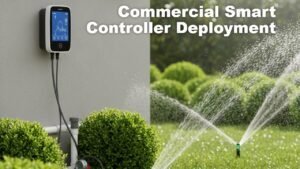
- Smart controllers
- Remote monitoring dashboards
Digital platforms allow managers to track system performance across multiple properties.
Data-driven audits improve decision-making.
Financial Benefits of Regular Audits
Routine audits protect budgets and reduce waste.
Savings result from:
- Early leak detection
- Efficient scheduling
- Reduced emergency repairs
- Lower water bills
- Extended equipment lifespan
A structured Commercial System Auditing Checklist helps managers forecast maintenance costs more accurately.
Water efficiency improvements often deliver immediate cost savings.
Risk Reduction Through Auditing
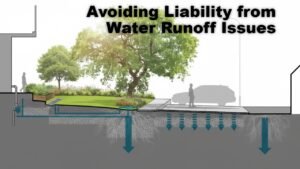
Unmanaged irrigation creates liability risks.
Potential issues include:
- Slip hazards from overspray
- Soil erosion near walkways
- Foundation damage
- Mold growth from excessive moisture
Audits reduce these risks by identifying problems early.
Proper documentation also supports insurance claims and compliance reporting.
Steps to Implement a Commercial System Auditing Checklist
Step 1: Conduct Baseline Audit
Evaluate current system condition and performance. Document findings with photos and notes.
Step 2: Standardize Inspection Procedures
Use the same checklist across all properties. Consistency improves reliability.
Step 3: Train Maintenance Staff
Ensure teams understand how to identify issues and record findings accurately.
Step 4: Schedule Routine Audits
Monthly inspections during peak season are recommended. Quarterly deep audits provide additional oversight.
Step 5: Review Audit Data
Compare results against water usage and maintenance costs. Adjust schedules and repairs accordingly.
A Commercial System Auditing Checklist becomes more effective when supported by consistent tracking.
Common Mistakes to Avoid
Property managers sometimes overlook key details.
Avoid:
- Skipping seasonal adjustments
- Ignoring minor leaks
- Failing to document findings
- Using outdated equipment
- Delaying repairs
Small issues escalate quickly in large systems.
Routine auditing prevents costly failures.
Best Practices for Long-Term System Performance
Strong oversight improves reliability.
Follow these practices:
- Maintain detailed audit logs
- Track water usage monthly
- Replace aging components proactively
- Standardize equipment across sites
- Conduct annual professional audits
Consistency ensures stable system performance.
A Commercial System Auditing Checklist supports long-term asset management.
Performance Metrics to Track
Monitoring data improves efficiency.
Track:
- Gallons used per zone
- Repair frequency
- System downtime
- Water cost per acre
- Audit completion rate
Metrics reveal patterns and guide improvements.
Frequently Asked Questions
What is a Commercial System Auditing Checklist?
It is a structured inspection tool used to evaluate irrigation system performance and efficiency across commercial properties.
How often should audits be performed?
Monthly inspections during active watering seasons are recommended, with quarterly detailed audits.
Who should conduct the audit?
Property managers, irrigation contractors, or maintenance supervisors typically perform audits.
Can audits reduce water bills?
Yes. Identifying leaks and inefficiencies lowers water usage and operational costs.
Is technology necessary for auditing?
Smart sensors and monitoring tools improve accuracy but are not mandatory.
Conclusion
Commercial System Auditing Checklist procedures provide a structured approach to maintaining efficient, reliable irrigation systems across large properties. Routine audits reduce water waste, lower maintenance costs, and protect landscape investments. Property managers who implement consistent inspections gain better cost control and operational clarity.
Strong irrigation performance depends on proactive oversight and detailed auditing. Discover how a structured checklist can improve efficiency, reduce risk, and strengthen long-term property management results.