Insurance Considerations for Water Damage play a major role in protecting buildings, landscapes, and financial stability. Water damage ranks among the most common property insurance claims. Burst pipes, irrigation leaks, drainage failures, and stormwater intrusion can cause extensive loss.
Homeowners and property managers often assume standard policies cover all water-related incidents. In reality, coverage depends on policy language, maintenance practices, and documentation. Understanding how insurance applies to water damage reduces claim disputes and financial exposure.
A proactive insurance strategy helps property owners prepare for unexpected water events and avoid coverage gaps.
Why Water Damage Insurance Planning Matters
This YouTube video below from Central Insurance explains the basics of water damage coverage. It outlines common causes, policy limits, and claim considerations. The video serves as a quick reference for understanding insurance protection related to water damage.
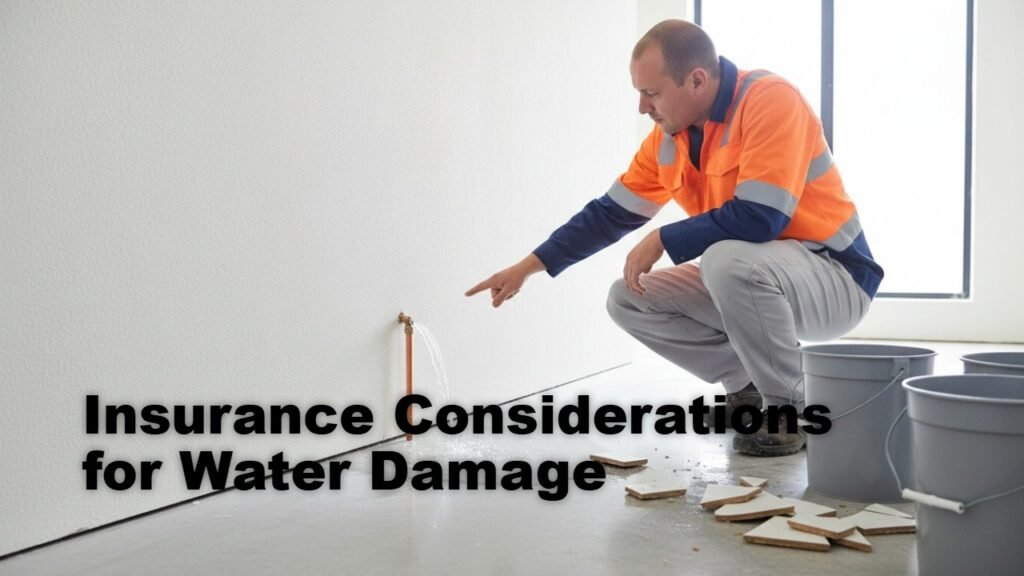
Water damage can escalate quickly. Small leaks may remain hidden for weeks. By the time damage becomes visible, repairs can be extensive.
Insurance Considerations for Water Damage help property owners:
- Understand policy coverage
- Reduce claim denial risk
- Document maintenance practices
- Control liability exposure
- Plan financial reserves
Water damage affects structural components, electrical systems, flooring, and landscaping. Proper insurance planning ensures these losses are covered when possible.
Types of Water Damage and Coverage Differences
Not all water damage is treated equally by insurers.
Sudden and Accidental Damage
Most policies cover sudden events such as:
- Burst pipes
- Appliance failures
- Accidental overflow
- Irrigation system breaks
Coverage typically includes repairs and restoration costs.
Gradual Damage
Damage caused by slow leaks or poor maintenance may not be covered.
Examples include:
- Long-term pipe corrosion
- Unrepaired irrigation leaks
- Persistent roof leaks
Insurers often classify gradual damage as preventable.
Understanding this distinction is central to Insurance Considerations for Water Damage.
Flood and Surface Water
Flooding from storms or rising water usually requires separate flood insurance.
Standard property policies often exclude:
- River flooding
- Storm surge
- Groundwater intrusion
Property managers should review flood risk based on location and drainage conditions.
Key Policy Areas to Review
Careful policy review prevents surprises during claims.
Coverage Limits
Confirm coverage limits for:
- Structural repairs
- Interior damage
- Landscaping
- Irrigation systems
- Equipment replacement
Ensure limits reflect current replacement costs.
Deductibles
Higher deductibles lower premiums but increase out-of-pocket expenses.
Evaluate whether deductibles align with property risk levels.
Large properties may require different deductible strategies for various structures.
Exclusions
Policies often exclude certain water-related events.
Common exclusions include:
- Poor maintenance
- Wear and tear
- Sewer backups
- Flooding
Review exclusions carefully. Insurance Considerations for Water Damage should include gap analysis.
Endorsements and Riders
Additional coverage options may include:
- Sewer backup protection
- Equipment breakdown coverage
- Flood insurance
- Ordinance and law coverage
Endorsements fill coverage gaps and strengthen protection.
Documentation Requirements for Claims
Insurance claims depend on proof. Proper documentation improves claim outcomes.
Maintain records of:
- Maintenance inspections
- Repair invoices
- System upgrades
- Irrigation audits
- Leak detection reports
Photographs and written logs support claim validity.
Insurance Considerations for Water Damage should include a documentation strategy.
Sample Water Damage Risk Assessment Table
| Risk Source | Coverage Type Needed | Prevention Strategy |
|---|---|---|
| Irrigation leaks | Property insurance | Regular inspections |
| Burst pipes | Standard coverage | Winterization |
| Flooding | Flood insurance | Drainage improvements |
| Sewer backup | Policy endorsement | Backflow prevention |
| Roof leaks | Maintenance documentation | Routine inspections |
This table helps property managers align risk with coverage.
A structured approach strengthens insurance readiness.
Preventive Measures That Support Coverage
Insurers favor properties with strong maintenance practices.
Recommended actions include:
- Annual plumbing inspections
- Irrigation system audits
- Roof maintenance programs
- Drainage system cleaning
- Moisture monitoring
Insurance Considerations for Water Damage improve when property owners demonstrate proactive care.
Preventive maintenance reduces claim disputes.
Role of Irrigation and Landscape Systems in Water Damage Claims
Irrigation systems can cause significant water damage when they fail. Broken lines may saturate foundations or pavement.
Property managers should:
- Conduct seasonal inspections
- Monitor water usage
- Repair leaks immediately
- Document service visits
Insurers may deny claims if damage results from neglected maintenance.
Proper oversight strengthens coverage eligibility.
Risk Management Strategies for Property Managers
Large properties face higher exposure. Multiple buildings and landscape zones increase risk.
Risk management steps include:
- Installing flow sensors
- Monitoring water bills
- Conducting quarterly audits
- Maintaining service contracts
- Reviewing insurance annually
Insurance Considerations for Water Damage must align with operational practices.
Coordination between maintenance teams and insurance advisors improves outcomes.
Technology and Water Damage Prevention
This YouTube video below from the Ontario Restaurant Hotel & Motel Association explains water damage prevention and loss control. It highlights routine checks, maintenance steps, and risk reduction strategies. The video serves as a quick reference for preventing costly water damage.
Modern technology reduces water-related risk.
Tools include:
- Smart leak detectors
- Flow monitoring systems
- Moisture sensors
- Remote shutoff valves
These systems alert managers to problems early.
Early detection limits damage and strengthens insurance claims.
Financial Planning for Water Damage Events
Insurance does not cover every cost. Property owners should maintain contingency reserves.
Budget planning should include:
- Deductible coverage
- Emergency repair funds
- Temporary relocation costs
- Landscape restoration
Financial preparation reduces stress during claim processing.
Insurance Considerations for Water Damage should integrate with broader financial planning.
Common Claim Mistakes to Avoid
Many claims face delays or denial due to preventable errors.
Avoid:
- Delayed reporting
- Lack of documentation
- Ignoring minor leaks
- Misunderstanding coverage limits
- Failing to maintain systems
Prompt action and accurate records improve claim success rates.
Steps to Review Your Insurance Coverage
Step 1: Conduct Risk Assessment
Identify potential water damage sources across the property.
Step 2: Review Policy Details
Examine coverage limits, exclusions, and endorsements.
Step 3: Update Coverage Annually
Adjust policies to reflect property improvements and rising costs.
Step 4: Document Maintenance
Keep organized records of inspections and repairs.
Step 5: Consult Insurance Professionals
Work with brokers who understand commercial and residential property risks.
Insurance Considerations for Water Damage should be reviewed regularly.
Long-Term Benefits of Proper Insurance Planning
Strategic coverage provides stability and protection.
Benefits include:
- Reduced financial risk
- Faster claim resolution
- Improved asset protection
- Compliance with lender requirements
- Stronger operational planning
Insurance readiness supports long-term property management success.
Frequently Asked Questions
What does standard insurance cover for water damage?
Most policies cover sudden and accidental damage but exclude gradual leaks and flooding.
Do irrigation leaks qualify for coverage?
Coverage depends on whether the leak was sudden and whether maintenance was documented.
Is flood insurance necessary?
Properties in flood-prone areas should carry separate flood policies.
How often should insurance policies be reviewed?
Annual reviews are recommended, especially after property upgrades.
What documentation supports water damage claims?
Maintenance logs, repair invoices, inspection reports, and photographs help support claims.
Conclusion
Insurance Considerations for Water Damage protect property owners from unexpected financial loss and liability exposure. Understanding coverage limits, documenting maintenance, and implementing preventive strategies improve claim outcomes and reduce risk. Property managers and homeowners who review policies regularly and maintain detailed records gain stronger protection against costly water damage events.
Reliable coverage begins with informed planning and proactive maintenance. Explore how a comprehensive insurance review can strengthen your property protection strategy and ensure your assets remain secure against water-related risks.