Introduction
Cool-Season vs Warm-Season Grass Watering affects lawn health more than fertilizer, mowing, or weed control. Many homeowners water all grass types the same way. That mistake leads to shallow roots, fungal disease, and wasted water.
Grass type determines how often you water, how deeply you irrigate, and when systems should run. Property managers who understand these watering differences lower water bills and grow stronger turf.
This guide explains how watering needs change between grass types. You will learn timing, frequency, seasonal adjustments, and irrigation system strategies that improve turf performance.
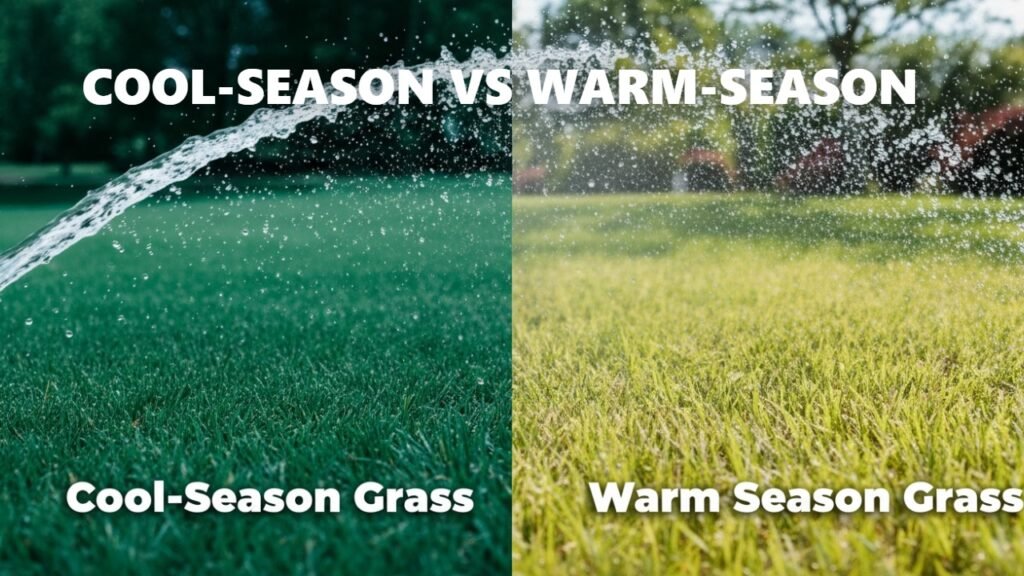
Understanding Cool-Season vs Warm-Season Grass Watering
This YouTube video below from Ag PhD explains the difference between warm-season and cool-season grasses. It shows how climate and growth cycles affect lawn care choices. The overview helps readers select the right grass for healthier turf.
Cool-season and warm-season grasses grow at different times of year. Their root systems respond differently to heat and drought.
Cool-season grasses thrive in mild temperatures. Warm-season grasses prefer heat. Each type needs a tailored watering approach.
Key Growth Differences
Cool-season grasses grow actively in spring and fall.
Warm-season grasses grow actively in summer.
Growth timing affects watering schedules and root development.
Cool-Season Grass Watering Requirements
Cool-season grasses include Kentucky bluegrass, ryegrass, and fescue. These varieties struggle during intense summer heat.
Watering Frequency
Cool-season turf usually needs:
- 1 to 1.5 inches of water per week
- Deep watering sessions
- Morning irrigation
During summer heat, cool-season lawns may require additional watering. Stress appears quickly in high temperatures.
Signs of Underwatering
Watch for:
- Footprints that remain visible
- Bluish leaf color
- Slow recovery after mowing
Deep watering encourages deeper roots. Shallow watering weakens turf resilience.
Warm-Season Grass Watering Requirements
Warm-season grasses include Bermuda, Zoysia, and St. Augustine. These varieties tolerate heat and drought better.
Watering Frequency
Warm-season turf typically needs:
- 0.5 to 1 inch of water weekly
- Fewer irrigation cycles
- Deeper watering sessions
Overwatering causes disease and shallow roots. Many property managers water warm-season turf too often.
Drought Tolerance
Warm-season grass can go dormant during drought. Dormancy protects the plant. It does not always require emergency watering.
Understanding this trait reduces unnecessary irrigation.
Cool-Season vs Warm-Season Grass Watering in Summer
Summer creates the biggest watering differences.
Cool-season turf struggles in heat. Warm-season turf thrives.
Summer Strategy for Cool-Season Turf
- Increase watering frequency
- Water early morning
- Raise mowing height
- Reduce traffic
Summer Strategy for Warm-Season Turf
- Water deeply once or twice weekly
- Avoid daily irrigation
- Monitor soil moisture
- Adjust sprinkler timing
Efficient watering protects turf and lowers water bills.
Soil Type and Watering Differences
Soil affects how water moves and drains.
Sandy soil drains quickly. Clay soil holds moisture longer. Loam soil balances retention and drainage.
Adjust watering schedules based on soil type.
- Sandy soil needs shorter, more frequent watering
- Clay soil needs longer, less frequent watering
- Loam soil needs moderate irrigation
Soil awareness improves Cool-Season vs Warm-Season Grass Watering results.
Irrigation System Adjustments by Grass Type
This YouTube video below from Silver Cymbal explains key lawn sprinkler adjustments for better watering coverage. It shows how to fix spray patterns, pressure, and direction. The tips help readers improve irrigation and avoid water waste.
Irrigation systems should match grass type and climate. Timers should not run identical schedules year-round.
Smart System Tips
- Program seasonal schedules
- Use rain sensors
- Check sprinkler coverage
- Audit water output
Smart controllers adapt watering based on weather conditions. This technology improves efficiency and turf health.
Seasonal Watering Calendar
Spring
- Moderate watering
- Encourage root growth
- Avoid overwatering
Summer
- Increase watering for cool-season lawns
- Maintain deep watering for warm-season lawns
Fall
- Reduce watering gradually
- Support root recovery
- Prepare for dormancy
Winter
- Water only when needed
- Avoid frozen irrigation
- Protect sprinkler systems
Seasonal adjustments strengthen turf year-round.
Common Watering Mistakes
Many lawns fail due to poor irrigation habits.
Avoid these mistakes:
- Watering daily
- Watering at night
- Ignoring soil moisture
- Using identical schedules year-round
Correcting these errors improves turf density and health.
Practical Watering Tips for Property Managers
Property managers must balance cost and turf quality.
Use these strategies:
- Audit irrigation systems yearly
- Monitor water bills
- Adjust schedules by season
- Install smart controllers
- Train maintenance staff
Smart watering reduces waste and improves property value.
FAQs
How often should cool-season grass be watered?
Cool-season grass needs about 1 to 1.5 inches weekly during active growth.
How often should warm-season grass be watered?
Warm-season grass needs 0.5 to 1 inch weekly in most climates.
Is deep watering better than frequent watering?
Deep watering promotes deeper roots and stronger turf.
Can I use one watering schedule for all grass types?
Different grass types require different watering strategies.
Does soil type change watering frequency?
Yes. Soil type affects water retention and drainage.
Conclusion
Cool-Season vs Warm-Season Grass Watering determines lawn success more than most homeowners realize. Proper timing, frequency, and depth protect roots and prevent disease.
Understanding these watering differences reduces water bills and improves turf resilience. Property managers and homeowners who adjust irrigation by grass type achieve stronger, greener lawns.
Apply these proven watering strategies and your landscape will reward you with healthier turf and lower maintenance costs.
Explore more lawn science, irrigation planning, and water-saving strategies on the Sprinkle Splash irrigation resource hub.