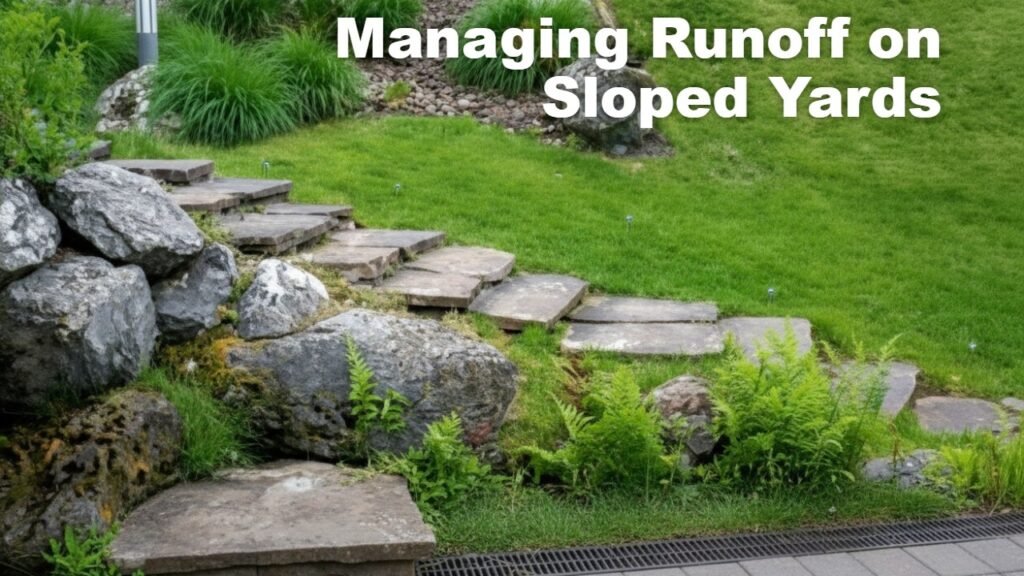
Managing runoff on sloped yards is one of the most important responsibilities for homeowners and property managers dealing with uneven terrain. While sloped landscapes can offer visual appeal and improved views, they also create significant challenges when it comes to controlling water flow, preventing erosion, and protecting structures.
Without proper drainage and runoff control, heavy rainfall can wash away soil, damage landscaping, flood lower areas, and even threaten your home’s foundation. The good news is that with proper planning and smart design, runoff can be controlled effectively while enhancing the overall usability of your outdoor space.
This comprehensive guide covers everything you need to know about runoff management on sloped properties, including causes, risks, solutions, and expert-level maintenance strategies.
Why Runoff Control Is Critical for Sloped Properties
Sloped yards naturally accelerate the movement of water. Gravity causes rainwater to travel downhill quickly, increasing both the volume and velocity of runoff.
Risks of Uncontrolled Runoff
- Soil erosion and loss of topsoil
- Foundation exposure and structural risk
- Flooding in low-lying areas
- Landscape damage and plant loss
- Formation of gullies and drainage channels
Effective managing runoff on sloped yards protects both your landscape and structural elements.
Understanding How Water Moves on Slopes
This YouTube video below from SciencewithMsTorres explains how water moves on a slope and why gravity affects flow direction. It shows how slope angle changes runoff speed and pooling. The lesson helps readers understand basic drainage and water movement.
To control runoff, it’s important to understand how water behaves on inclined surfaces.
Key Factors Influencing Runoff
- Slope steepness
- Soil type and permeability
- Vegetation coverage
- Surface materials (grass, gravel, concrete)
- Rainfall intensity
Steeper slopes and compacted soils increase runoff speed and reduce water absorption.
Common Runoff Problems on Sloped Yards
Sloped properties often experience recurring water-related issues.
Typical Problems Include:
- Washed-out garden beds
- Exposed tree roots
- Water pooling at the base of the slope
- Mudslides or soil displacement
- Water intrusion into basements or crawl spaces
Addressing these issues early prevents long-term damage.
Assessing Your Yard’s Runoff Pattern
Before installing solutions, evaluate how water currently flows across your property.
How to Analyze Runoff
- Observe your yard during heavy rainfall
- Identify low points and drainage paths
- Look for erosion lines or sediment buildup
- Check where water exits the property
Understanding these patterns helps design effective drainage systems.
Grading Techniques for Sloped Yards
Proper grading is the foundation of runoff control.
Regrading for Water Direction
Adjusting the slope can help redirect water away from structures and toward safe drainage zones.
Creating Terraces
Terracing divides the slope into smaller, level sections that slow water flow and reduce erosion.
Building Swales
Swales are shallow, sloped channels that guide water across the landscape safely.
Drainage Systems for Managing Runoff on Sloped Yards
Combining grading with drainage systems provides the most effective control.
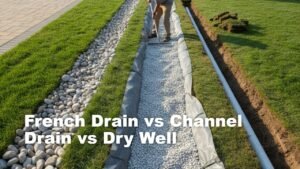
French Drains
French drains collect and redirect subsurface water, preventing soil saturation and slope instability.
Channel Drains
Ideal for patios, driveways, and walkways, channel drains capture fast-moving surface water.
Dry Wells
Dry wells collect runoff and allow gradual infiltration into the soil.
Downspout Extensions
Extending downspouts ensures roof water is discharged away from the slope.
Erosion Control Solutions for Sloped Landscapes
This YouTube video below from 2 Minute Gardener explains how to stop slope erosion using simple landscaping solutions. It highlights planting, barriers, and soil support methods. The tips help readers protect slopes and reduce runoff damage.
Erosion is one of the biggest challenges on sloped yards.
Effective Erosion Control Methods
- Planting deep-rooted vegetation
- Installing erosion control blankets
- Using mulch and ground cover
- Building retaining walls
- Installing geotextile fabrics
These solutions stabilize soil and reduce water velocity.
Landscaping Strategies to Reduce Runoff
Strategic landscaping plays a major role in managing runoff on sloped yards.
Best Landscaping Practices
- Use native plants adapted to local conditions
- Plant grass or ground cover to protect soil
- Create rain gardens at slope bases
- Use permeable materials for walkways
Healthy landscaping absorbs water and reduces runoff intensity.
Hardscaping Solutions for Water Control
Hardscape features can be designed to manage water effectively.
Common Hardscape Features
- Retaining walls with drainage outlets
- Stone pathways with gravel bases
- Permeable pavers
- Drainage channels built into patios
Properly designed hardscaping prevents water from flowing uncontrolled.
Combining Multiple Runoff Control Methods
The most effective strategy is a layered approach.
Integrated Runoff Management Plan
- Grading to direct water flow
- Drainage systems to collect water
- Landscaping to absorb moisture
- Hardscaping to control surface flow
Combining these methods ensures long-term protection.
Maintenance Tips for Sloped Yard Drainage Systems
Routine maintenance keeps systems functioning efficiently.
Seasonal Maintenance Checklist
Spring
- Inspect erosion damage
- Clear debris from drains
- Repair soil displacement
Summer
- Monitor irrigation levels
- Maintain plant coverage
Autumn
- Remove leaves from drainage systems
- Reinforce erosion-prone areas
Winter
- Ensure proper snowmelt drainage
- Prevent ice blockages
Consistent maintenance prevents system failure.
Common Mistakes to Avoid
Avoid these common errors when managing runoff on sloped yards:
- Ignoring natural drainage patterns
- Installing drains without proper slope
- Using non-permeable materials excessively
- Overwatering landscaping
- Neglecting regular maintenance
These mistakes can worsen runoff problems.
Practical Tips for Homeowners and Property Managers
Use these expert tips to improve runoff control:
- Always direct water away from structures
- Use mulch to slow water movement
- Install step-down terraces for steep slopes
- Monitor runoff after heavy rainfall
- Work with drainage professionals for complex sites
Small improvements can deliver significant long-term benefits.
Cost Considerations for Runoff Management
Costs vary depending on slope severity and system complexity.
Typical Cost Factors
- Size of the property
- Type of drainage system
- Materials used
- Labor and equipment
- Landscaping and hardscaping elements
Investing in proper runoff control prevents costly structural repairs.
When to Hire a Professional
Some runoff issues require expert intervention.
Hire a Professional If:
- The slope is steep or unstable
- Erosion is severe
- Water is entering your home
- Large drainage systems are required
Professional design ensures effective and compliant solutions.
FAQs: Managing Runoff on Sloped Yards
What is the best way to control runoff on a slope?
A combination of grading, drainage systems, and vegetation is the most effective solution.
Can landscaping alone control runoff?
Landscaping helps, but severe runoff often requires additional drainage systems.
How do I stop soil erosion on a slope?
Use ground cover plants, mulch, retaining walls, and erosion control fabrics.
Are French drains effective on slopes?
Yes, they are highly effective for managing subsurface water and stabilizing soil.
How often should runoff systems be maintained?
Inspect systems at least twice a year and after major storms.
Final Thoughts
Effective managing runoff on sloped yards is essential for protecting your landscape, foundation, and overall property value. Sloped terrain presents unique challenges, but with proper grading, drainage systems, erosion control, and landscaping strategies, water can be managed safely and efficiently.
By taking a proactive approach and combining multiple solutions, homeowners and property managers can prevent costly damage, improve property usability, and maintain a stable, attractive outdoor environment for years to come.