11 Powerful Root Depth and Irrigation Scheduling Secrets
Root Depth and Irrigation Scheduling determine whether turf thrives or struggles through heat, drought, and seasonal stress. Many homeowners water based on habit rather than science. Shallow watering leads to weak roots and poor drought resistance.
Deep roots improve water absorption and reduce irrigation needs. Property managers who understand root depth build stronger turf and cut long-term costs.
This guide explains how root systems influence irrigation timing, frequency, and duration. You will learn practical strategies to schedule watering based on root depth and soil conditions.
Why Root Depth Matters in Irrigation Scheduling
This YouTube video below from TAS Hub explains irrigation scheduling and why timing matters for plant health. It shows how to monitor soil and adjust watering rates. The overview helps readers conserve water and improve growth results.
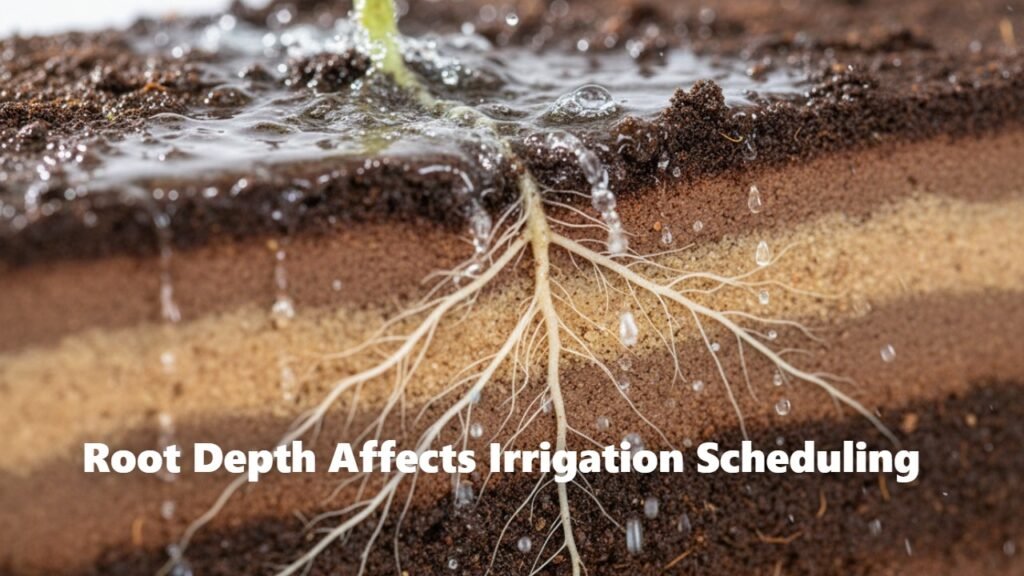
Root systems act as the plant’s water storage and nutrient network. Deep roots access moisture stored in lower soil layers. Shallow roots depend on frequent irrigation.
Turf with deeper roots can:
- Survive heat stress
- Resist drought
- Require fewer watering cycles
- Maintain color longer
Root depth and irrigation scheduling work together. Deep watering encourages roots to grow downward. Frequent light watering keeps roots near the surface.
How Root Depth and Irrigation Scheduling Interact
Root growth responds to watering patterns. Grass adapts to how moisture is delivered.
Deep Watering and Root Development
Deep watering pushes moisture deeper into the soil profile. Roots follow water. Over time, turf develops stronger root systems.
Benefits include:
- Improved drought tolerance
- Reduced runoff
- Lower irrigation frequency
- Stronger turf density
Shallow Watering Effects
Frequent shallow watering keeps moisture near the surface. Roots remain shallow. Turf becomes dependent on constant irrigation.
Problems include:
- Higher water bills
- Disease risk
- Heat stress
- Weak turf structure
Ideal Root Depth for Common Turf Types
Different grasses develop different root depths. Understanding these differences improves irrigation scheduling.
Cool-Season Grasses
Cool-season grasses typically develop roots 4 to 8 inches deep. Examples include:
- Kentucky bluegrass
- Fescue
- Ryegrass
These grasses require consistent moisture during warm periods. Deep watering helps maintain root strength.
Warm-Season Grasses
Warm-season grasses can develop roots 6 to 12 inches deep. Examples include:
- Bermuda
- Zoysia
- St. Augustine
These grasses tolerate drought better due to deeper root systems. Irrigation scheduling should reflect this resilience.
Soil Type and Root Depth
This YouTube video below from Pro Irrigation Training explains how to identify different soil types. It shows simple ways to test texture and understand drainage. The overview helps readers make smarter irrigation and lawn care decisions.
Soil composition affects how deep roots can grow. Compacted soil restricts root expansion. Loose soil encourages deeper penetration.
Sandy Soil
Sandy soil drains quickly. Roots must grow deeper to access moisture. Watering should occur more frequently but still deeply.
Clay Soil
Clay soil holds moisture longer. Roots may stay shallow if soil remains wet near the surface. Less frequent but longer watering works best.
Loam Soil
Loam provides ideal conditions for root growth. Balanced watering supports deeper root systems.
Understanding soil type improves root depth and irrigation scheduling accuracy.
Irrigation Scheduling Based on Root Depth
Scheduling irrigation requires aligning watering depth with root depth. The goal is to wet soil to the full root zone.
Steps to Create a Root-Focused Schedule
- Measure root depth
- Determine soil type
- Calculate watering depth
- Adjust irrigation frequency
- Monitor turf response
Deep watering once or twice weekly often works better than daily irrigation.
Signs Your Irrigation Schedule Is Wrong
Improper scheduling affects turf health quickly. Watch for these warning signs:
- Wilting grass
- Brown patches
- Shallow roots
- Increased weeds
- Fungal disease
Correct scheduling restores balance and encourages deeper roots.
Tools That Improve Root Depth and Irrigation Scheduling
Modern irrigation tools help track soil moisture and root health. Smart controllers adjust watering automatically.
Useful tools include:
- Soil moisture sensors
- Smart irrigation controllers
- Rain sensors
- Flow monitors
These tools help property managers reduce waste and improve turf performance.
Seasonal Adjustments to Root-Based Irrigation
Root activity changes with seasons. Adjust irrigation schedules accordingly.
Spring
Encourage root growth with moderate watering. Avoid overwatering.
Summer
Increase watering depth. Reduce frequency. Protect deeper roots from heat stress.
Fall
Support root recovery with balanced watering. Prepare turf for dormancy.
Winter
Limit irrigation. Prevent waterlogging and freeze damage.
Seasonal adjustments keep root systems strong year-round.
Practical Tips for Homeowners and Property Managers
Follow these strategies to align root depth and irrigation scheduling:
- Water deeply and less often
- Aerate compacted soil
- Monitor soil moisture
- Adjust schedules seasonally
- Use smart irrigation technology
Consistent monitoring ensures long-term turf health.
FAQs
How deep should grass roots grow?
Most turf roots grow 4 to 12 inches deep depending on grass type and soil conditions.
How does deep watering help roots?
Deep watering encourages roots to grow downward, improving drought resistance.
Can shallow watering damage turf?
Frequent shallow watering weakens roots and increases disease risk.
How often should irrigation schedules change?
Adjust schedules seasonally and based on weather conditions.
Does root depth affect water usage?
Deeper roots reduce irrigation frequency and overall water consumption.
Conclusion
Root depth and irrigation scheduling form the foundation of healthy turf management. Deep roots create stronger lawns that resist drought and stress. Shallow roots increase maintenance and water costs.
Homeowners and property managers who align irrigation schedules with root depth see better turf health and lower expenses. Smart watering builds resilient landscapes that thrive through changing seasons.
Adopt these root-focused irrigation strategies and your lawn will stay greener, stronger, and more efficient throughout the year.