Yard grading basics for homeowners are essential knowledge for anyone looking to protect their property from water damage, soil erosion, and foundation problems. Proper grading ensures that rainwater flows away from your home instead of collecting around it, which can lead to costly structural issues over time.
For both homeowners and property managers, understanding how land slope, soil type, and drainage systems work together is critical for long-term property health. This comprehensive guide explains the fundamentals of yard grading, how to identify problems, and practical ways to correct them.
What Is Yard Grading and Why It Matters
This YouTube video below from Ware Landscaping & Snow Removal shows how yard grading fixes common drainage problems. It highlights slope correction and water flow planning during a real project. The example helps readers understand how proper grading protects landscapes from water damage.
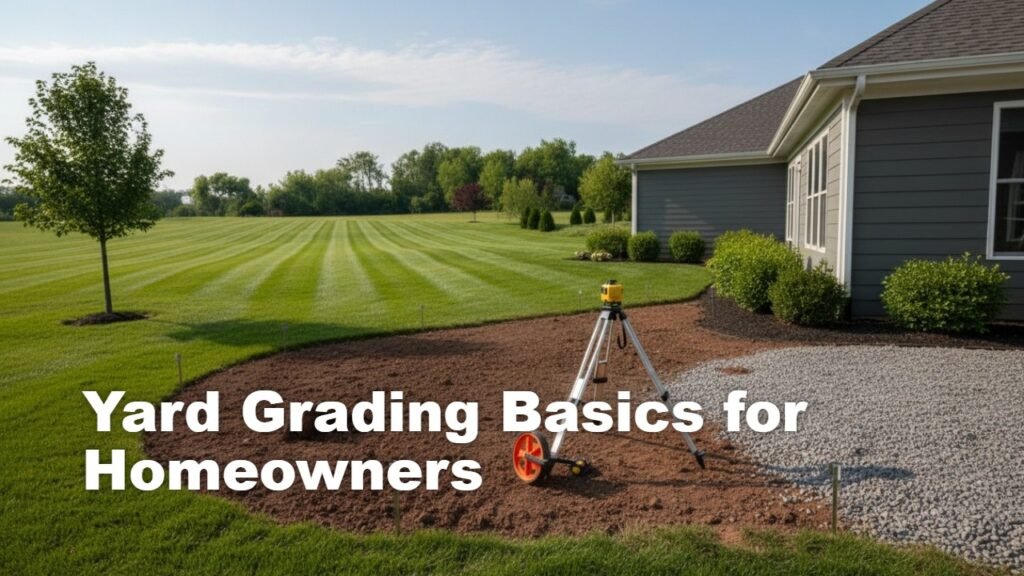
Yard grading refers to shaping and leveling the ground around your property to control water flow. The primary goal is to direct runoff away from buildings and toward safe drainage areas.
Why Proper Grading Is Important
Effective yard grading basics for homeowners help:
- Prevent water from pooling near the foundation
- Reduce basement leaks and moisture buildup
- Protect landscaping and topsoil from erosion
- Improve lawn health and drainage
- Extend the lifespan of patios, driveways, and walkways
Without proper grading, even small amounts of standing water can lead to major long-term damage.
Understanding Slope and Drainage Fundamentals
The direction and degree of slope determine how water moves across your yard.
Recommended Yard Slope
A safe and effective slope is typically:
- Minimum 5% grade (approximately 6 inches drop over 10 feet) away from the foundation
- Consistent slope with no dips or low spots
This ensures water flows away from structures instead of settling around them.
Natural Drainage Patterns
Water follows gravity and will always move toward the lowest point. Observing your yard during or after rainfall can reveal:
- Water pooling areas
- Erosion paths
- Soil saturation zones
These patterns help identify where grading improvements are needed.
Common Yard Grading Problems
Many properties experience grading issues due to construction settling, landscaping changes, or soil erosion.
Typical Problems Homeowners Face
- Low spots near the foundation
- Reverse slope directing water toward the house
- Uneven lawn surfaces
- Soil washout after heavy rain
- Standing water in garden beds
Addressing these issues early can prevent structural damage and costly repairs.
Signs Your Yard Needs Regrading
Knowing when to take action is crucial.
Warning Signs Include:
- Water pooling within 10 feet of your home
- Damp or musty basement smells
- Visible soil erosion or exposed roots
- Cracks in foundation walls
- Soggy lawn areas that never dry
These are clear indicators that your grading needs correction.
Types of Yard Grading Methods
Different grading techniques are used depending on the landscape and severity of the issue.
1. Rough Grading
This is the initial shaping of land using heavy equipment to establish general slope and direction.
2. Finish Grading
Finish grading smooths and refines the surface, preparing it for grass, plants, or hardscaping.
3. Swales and Berms
These are gentle slopes and raised areas designed to guide water flow across your yard safely.
Step-by-Step Yard Grading Process
Following a structured approach ensures effective results.
Step 1: Evaluate Existing Conditions
- Observe water flow patterns
- Identify low and high points
- Check soil type and drainage capacity
Step 2: Plan the New Slope
Design a slope that directs water away from your home and toward safe discharge areas.
Step 3: Remove Obstructions
Clear debris, rocks, or old landscaping that may interfere with grading.
Step 4: Add or Remove Soil
Use quality topsoil to build up low areas or remove excess soil from high spots.
Step 5: Compact and Stabilize
Compact the soil lightly to prevent settling and apply grass seed or sod for stability.
Best Soil Types for Effective Grading
The type of soil in your yard affects how well water drains.
Soil Drainage Characteristics
- Sandy soil: Fast draining, low water retention
- Clay soil: Slow draining, high compaction risk
- Loam soil: Ideal balance of drainage and retention
For most properties, a mix of topsoil and compost improves both drainage and stability.
Tools and Equipment for Yard Grading
Homeowners can perform basic grading with the right tools.
Essential Tools
- Shovel and rake
- Wheelbarrow
- Level or laser level
- String line and stakes
- Garden hose for water testing
For larger projects, equipment like skid steers or grading tractors may be needed.
DIY Yard Grading vs Professional Services
This YouTube video below from Buying A Home Don’t Panic shows how to grade a yard using a mini skid steer. It walks through each step of leveling and shaping the soil for better drainage. The tutorial helps readers understand practical DIY grading methods for backyard projects.
While some grading projects are manageable for homeowners, others require expert assistance.
DIY Grading Is Suitable For:
- Small lawn leveling projects
- Minor slope corrections
- Garden bed adjustments
Hire Professionals When:
- The slope is severe
- Drainage issues affect the foundation
- Heavy equipment is required
- Local regulations require permits
Professional grading ensures proper drainage and compliance with building standards.
Integrating Drainage Systems with Yard Grading
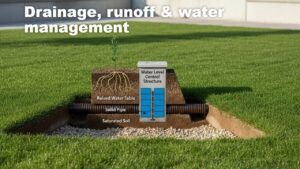
Grading alone may not solve all water problems. Combining grading with drainage solutions improves results.
Common Drainage Additions
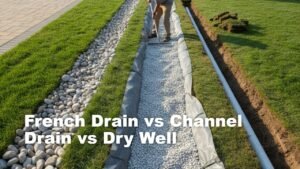
- French drains for subsurface water
- Channel drains for surface runoff
- Downspout extensions
- Dry wells for water absorption
These systems work together to manage water efficiently.
Landscaping Tips to Support Proper Grading
Smart landscaping enhances your grading efforts.
Effective Landscaping Practices
- Use deep-rooted plants to stabilize soil
- Add mulch to reduce erosion
- Install retaining walls where needed
- Avoid overwatering lawns
- Maintain healthy turf coverage
Landscaping not only improves appearance but also strengthens soil structure.
Seasonal Maintenance for Graded Yards
Maintaining your yard grading is essential for long-term performance.
Maintenance Checklist
Spring
- Inspect for erosion damage
- Refill low spots
- Check drainage paths
Summer
- Monitor watering practices
- Repair dry or cracked soil
Autumn
- Remove debris blocking drainage
- Prepare soil for winter rainfall
Winter
- Ensure proper snowmelt drainage
- Prevent ice buildup near foundation
Routine maintenance keeps your grading system effective year-round.
Cost Considerations for Yard Grading
This YouTube video below from Home Investing Experts explains how much yard grading costs and what factors affect pricing. It breaks down labor, equipment, and project size considerations. The overview helps readers plan their drainage or landscaping budget with clearer expectations.
Costs vary based on property size, slope severity, and materials.
Typical Cost Factors
- Size of the yard
- Amount of soil required
- Labor and equipment
- Drainage system installation
- Accessibility of the site
Investing in proper grading prevents far more expensive structural repairs in the future.
Safety Considerations During Yard Grading
Safety should always be a priority during any grading project.
Key Safety Tips
- Avoid working on steep slopes without support
- Use protective gear such as gloves and boots
- Keep tools properly maintained
- Ensure proper drainage away from neighboring properties
Safe practices protect both workers and property.
Practical Tips for Homeowners
Use these expert tips to improve your grading results:
- Always slope soil away from your foundation
- Test drainage with a garden hose before finalizing grading
- Use high-quality topsoil for better compaction
- Avoid creating steep slopes that erode easily
- Monitor grading performance after heavy rain
Consistent monitoring helps catch issues early.
FAQs: Yard Grading Basics for Homeowners
What is the ideal slope for yard grading?
The recommended slope is about 5%, or a 6-inch drop over 10 feet, directing water away from your home.
Can poor grading damage my foundation?
Yes, improper grading can cause water to collect near the foundation, leading to cracks and structural damage.
How often should yard grading be checked?
Homeowners should inspect grading at least once a year and after heavy storms.
Is yard grading expensive?
Costs vary, but grading is significantly cheaper than repairing foundation damage caused by poor drainage.
Can I fix grading problems myself?
Minor grading issues can be DIY projects, but major drainage or slope problems should be handled by professionals.
Conclusion
Understanding yard grading basics for homeowners is one of the most effective ways to protect your property from water damage and structural issues. Proper grading directs water away from your home, preserves landscaping, and ensures long-term stability.
By evaluating your yard’s slope, correcting drainage issues, and maintaining your grading system, you can prevent costly repairs and maintain a safe, attractive property. Whether you choose a DIY approach or hire professionals, investing in proper yard grading is a smart, long-term decision that safeguards your home and landscape for years to come.