Commercial irrigation layout differences play a major role in system performance, efficiency, and long-term maintenance. Large commercial properties demand far more planning than residential yards. Higher water demand, complex zoning, and regulatory requirements change the design approach completely.
Property managers and facility owners must understand how commercial irrigation systems differ from residential layouts. Mistakes in planning can lead to water waste, uneven coverage, and costly infrastructure repairs.
This guide explains the structural, hydraulic, and operational distinctions that define commercial irrigation design. You will learn how zoning, pressure management, pipe sizing, and automation vary at the commercial level.

Why Commercial Irrigation Systems Require a Different Approach
This YouTube video below from Smart Rain provides a walk-through of a commercial irrigation system in action. It explains system components, smart controls, and water management features. The overview helps readers understand how commercial irrigation systems operate efficiently at scale.
Residential irrigation typically serves small turf areas and planting beds. Commercial properties may include:
- Office parks
- Apartment complexes
- Schools
- Hotels
- Sports fields
- Industrial campuses
These landscapes cover large acreage. Water must travel longer distances. Pressure must remain stable across many zones.
Commercial irrigation layout differences exist because of scale, demand, and compliance requirements.
Scale and Coverage Area
The first major distinction is property size.
Larger Irrigated Footprint
Commercial properties often include acres of turf. Systems must deliver consistent coverage across wide areas.
Long pipe runs increase friction loss. Designers compensate with larger mainlines and stronger pumps.
Multiple Landscape Types
Commercial sites often include:
- Turf grass
- Ornamental shrubs
- Flower beds
- Tree lines
- Medians and parking lot islands
Each landscape type requires separate zoning and irrigation methods.
Commercial irrigation layout differences become evident when managing diverse plant materials across large areas.
Zoning Complexity
Commercial systems use far more zones than residential systems.
Functional Zoning
Zones are divided based on:
- Plant type
- Sun exposure
- Soil conditions
- Slope
- Usage patterns
Scheduling Flexibility
Commercial systems often water at night to reduce evaporation and avoid public disruption. Separate zones allow precise control.
Flow Management
Large zones demand high flow rates. Designers often split zones to prevent pressure drops.
Proper zoning forms a core part of commercial irrigation layout differences.
Hydraulic Design and Pressure Management
This YouTube video below from KletteTech explains the basic relationship between pressure and flow in a hydraulic system. It shows how both factors work together to move water efficiently. The overview helps readers understand core principles used in irrigation and water systems.
Hydraulic calculations become more complex at the commercial level.
Larger Mainlines
Commercial systems use wider diameter pipes. Larger pipes reduce friction loss and maintain steady pressure.
Booster Pumps
Many commercial properties require booster pump systems. These maintain adequate pressure across long distances.
Looping Systems
Looped mainlines allow water to flow from multiple directions. This design stabilizes pressure and reduces weak points.
Commercial irrigation layout differences heavily involve advanced hydraulic planning.
Equipment Selection
Commercial-grade equipment differs from residential products.
Heavy-Duty Sprinklers
Commercial sprinklers are designed for durability. They withstand heavy foot traffic and environmental stress.
High-Capacity Valves
Valves must handle higher flow rates. Commercial valves often include flow control features.
Smart Controllers
Commercial controllers support dozens of zones. They integrate weather sensors, flow meters, and remote monitoring systems.
Equipment upgrades reflect commercial irrigation layout differences in both scale and reliability.
Regulatory and Compliance Requirements
Commercial properties often face stricter regulations.
Backflow Prevention
Backflow devices are mandatory in most commercial installations. They protect public water systems.
Water Use Restrictions
Municipalities often regulate commercial water use during drought conditions. Systems must comply with conservation guidelines.
Permits and Inspections
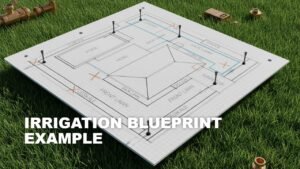
Commercial projects typically require permits and inspections. Detailed plans must meet local codes.
Compliance adds complexity to commercial irrigation layout differences.
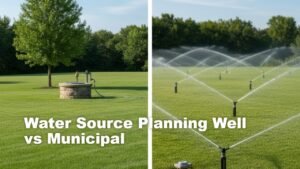
Water Source Considerations
Water supply impacts system design.
Municipal Supply
Large properties may require upgraded water connections. Municipal systems must support high demand.
Wells and Storage Tanks
Some properties rely on wells or water storage systems. Pumps and tanks must support peak irrigation loads.
Reclaimed Water Systems
Many commercial properties use reclaimed water. These systems require separate piping and labeling.
Water source planning influences commercial irrigation layout differences significantly.
Automation and Technology Integration
Technology plays a major role in commercial irrigation.
Centralized Control Systems
Large properties often use centralized control platforms. Managers can monitor multiple sites from one dashboard.
Flow Monitoring
Flow sensors detect leaks quickly. This prevents water loss and landscape damage.
Weather-Based Adjustments
Smart systems adjust watering schedules automatically. Weather data improves efficiency.
Automation enhances operational efficiency and supports commercial irrigation layout differences.
Maintenance and Operational Demands
Commercial systems require structured maintenance plans.
Routine Inspections
Large systems require frequent inspection. Managers must monitor valves, wiring, and pressure.
Seasonal Adjustments
Seasonal adjustments prevent overwatering or system stress. Commercial landscapes often need coordinated scheduling.
Rapid Repairs
Commercial properties cannot afford visible landscape decline. Quick response to failures remains essential.
Maintenance planning highlights operational commercial irrigation layout differences.
Budget and Cost Planning
Commercial irrigation systems involve higher initial investment.
Installation Costs
Costs include:
- Larger pipes
- Booster pumps
- Advanced controllers
- Backflow devices
Operating Costs
Water and energy use must be monitored carefully. Efficient design reduces ongoing expenses.
Long-Term ROI
Well-designed systems reduce turf replacement costs and water waste.
Financial planning reinforces commercial irrigation layout differences.
Sustainability and Water Efficiency
Sustainability matters more than ever in commercial property management.
Efficient Zoning
Separate zones prevent water waste.
Drip Irrigation for Beds
Drip systems conserve water in ornamental areas.
Smart Controllers
Smart controllers adjust watering based on weather and soil moisture.
Sustainable practices align with modern commercial irrigation layout differences.
Comparing Residential and Commercial Layouts
This YouTube video below from Jason Schroeder explains the differences between commercial and residential construction. It compares scale, planning, materials, and project requirements. The overview helps readers understand how each type of construction varies in design and execution.
Key distinctions include:
- Greater scale
- More zones
- Advanced hydraulic design
- Stronger equipment
- Higher regulatory standards
- Integrated smart technology
These differences shape every stage of commercial irrigation design.
Practical Tips for Property Managers
Follow these recommendations:
- Conduct detailed site analysis
- Invest in commercial-grade components
- Monitor pressure and flow regularly
- Install smart controllers
- Schedule preventative maintenance
- Review local compliance requirements
Strategic planning ensures long-term system reliability.
FAQs
How does commercial irrigation differ from residential systems?
Commercial systems are larger, more complex, and require advanced hydraulic planning.
Why do commercial properties need booster pumps?
Booster pumps maintain pressure across long pipe runs and multiple zones.
Are commercial irrigation systems more expensive?
Yes. Larger scale and advanced equipment increase installation costs.
Do commercial systems require permits?
Most commercial installations require permits and inspections.
Can smart controllers reduce commercial water costs?
Yes. Smart systems improve efficiency and lower long-term expenses.
Conclusion
Large landscapes demand advanced planning and reliable infrastructure. Commercial irrigation layout differences exist because of scale, hydraulic complexity, and regulatory requirements. Property managers must prioritize zoning, pressure management, and system durability.
Investing in commercial-grade equipment and smart technology ensures consistent coverage and water efficiency. Careful design reduces long-term costs and protects valuable landscapes. Evaluate your property’s size, water source, and compliance needs to implement a commercial irrigation system that delivers dependable performance and measurable savings.