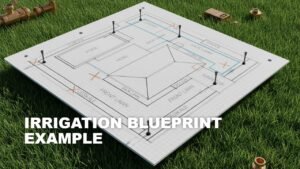
Multi-Zone Irrigation System Design ensures every part of your landscape receives the right amount of water without waste. Turf, shrubs, slopes, and shaded beds never share the same watering needs. A single-zone layout often leads to runoff, dry patches, and rising utility bills. Property managers and homeowners need a structured approach that balances pressure, flow, and plant demand.
A properly engineered system separates irrigation areas by water requirements and hydraulic capacity. This method improves plant health, reduces maintenance issues, and protects infrastructure. Efficient zoning also prepares properties for seasonal weather changes. The following guide explains how to plan, calculate, and install a reliable multi-zone system with confidence.
Understanding Multi-Zone Irrigation System Design
This YouTube video below from Rain Bird explains why dividing an irrigation system into multiple zones improves efficiency. It shows how zoning matches watering to plant and soil needs. The guidance helps readers design smarter, more controlled irrigation systems.
Multi-Zone Irrigation System Design divides a property into independent watering sections. Each zone operates through a dedicated valve controlled by a timer or smart controller. This structure allows different runtime schedules across the landscape.
Effective zoning prevents overwatering delicate plants while ensuring turf receives adequate coverage. It also maintains proper operating pressure within each section. Without zoning, systems struggle to deliver uniform distribution.
Why Zoning Matters
Every property contains microclimates. Sun exposure, soil type, and plant species vary across short distances. A multi-zone configuration accounts for these variables.
Key advantages include:
- Improved water efficiency
- Reduced plant stress
- Lower risk of fungal growth
- Better pressure regulation
- Simplified troubleshooting
Zoning transforms irrigation from a basic watering setup into a controlled engineering system.
Step 1: Conduct a Detailed Site Evaluation
Multi-Zone Irrigation System Design begins with a complete site assessment. Skipping this stage leads to uneven watering and system imbalance.
Walk the property and document critical variables. Pay attention to grade changes, sun patterns, and drainage areas.
Factors to Record
- Total landscape size
- Soil composition and compaction
- Plant categories and root depth
- Full-sun versus shaded areas
- Available water pressure and flow rate
- Hardscape surfaces and boundaries
Clay soil retains moisture longer than sandy soil. Sloped areas require shorter, more frequent watering cycles. Accurate data ensures logical zone division.
Step 2: Measure Water Supply Capacity
Water supply determines how many zones you can create. Flow rate and static pressure define system limitations.
Attach a pressure gauge to an outdoor spigot to measure PSI. Use a bucket test to calculate gallons per minute. These numbers guide pipe sizing and sprinkler selection.
Hydraulic Planning Considerations
- Operating pressure range: typically 30–60 PSI
- Gallons per minute available for each zone
- Friction loss through pipe length
- Elevation-related pressure changes
Never overload a zone beyond its flow capacity. Overloading reduces coverage and damages components.
Step 3: Divide the Property into Logical Zones
Multi-Zone Irrigation System Design relies on strategic grouping. Plants with similar water needs must share a zone.
Separate turf from planting beds. Divide sunny areas from shaded sections. Assign slopes their own watering schedule. This organization ensures precise irrigation timing.
Common Zone Categories
- Front lawn turf
- Backyard turf
- Flower beds
- Shrub borders
- Tree zones
- Drip irrigation areas
Avoid mixing sprinkler types within the same zone. Rotors and spray heads operate at different precipitation rates. Uniform equipment ensures balanced coverage.
Step 4: Choose the Right Irrigation Method per Zone
Each zone requires equipment tailored to its function. Sprinkler type affects distribution uniformity and water efficiency.
Sprinkler Options
- Rotary sprinklers: Best for large turf areas
- Fixed spray heads: Suitable for small lawns
- Drip emitters: Ideal for planting beds
- Bubblers: Effective for trees and shrubs
Drip irrigation minimizes evaporation in beds. Rotary heads cover broad areas with fewer units. Matching technology to zone purpose strengthens performance.
Step 5: Design Pipe Layout and Valve Placement
This YouTube video below from EngineersIreland explains the role of valves in pipeline design and water systems. It shows how valves control flow, pressure, and maintenance access. The overview helps readers understand key components in efficient piping and irrigation networks.
Pipe routing influences pressure stability and long-term durability. Mainlines carry water from the source to valves. Lateral lines feed sprinklers within each zone.
Layout Best Practices
- Install valves in accessible boxes
- Minimize sharp pipe turns
- Use appropriate pipe diameter
- Account for friction loss
- Balance pipe length within zones
Oversized pipes reduce pressure drop. Proper valve placement simplifies maintenance and future repairs.
Step 6: Calculate Precipitation Rates and Runtime
Multi-Zone Irrigation System Design requires accurate watering calculations. Precipitation rate determines how much water a zone delivers per hour.
Use manufacturer specifications to find nozzle output. Match runtime to soil infiltration rate. Clay soil needs shorter cycles to prevent runoff. Sandy soil requires slightly longer watering sessions.
Runtime Adjustment Strategy
- Measure soil absorption rate
- Apply cycle-and-soak programming on slopes
- Adjust seasonally
- Avoid watering during peak heat
Precise scheduling protects roots from stress.
Step 7: Integrate Smart Irrigation Technology
Modern multi-zone systems rely on intelligent controllers. Smart controllers adjust schedules based on weather data and evapotranspiration rates.
Benefits of Smart Controls
- Automatic seasonal adjustments
- Rain delay activation
- Remote monitoring via mobile apps
- Leak detection alerts
- Water usage tracking
Automation reduces human error. Property managers gain real-time oversight across multiple zones.
Sensor Integration
Add rain sensors to prevent unnecessary watering. Install soil moisture sensors for real-time readings. Flow sensors detect pipe breaks instantly. Integrated monitoring safeguards the system.
Step 8: Test and Balance the System
Testing verifies the integrity of your Multi-Zone Irrigation System Design. Run each zone independently. Inspect sprinkler alignment and spray patterns.
Performance Checklist
- Confirm head-to-head coverage
- Check for leaks at joints
- Measure operating pressure
- Adjust arc and radius
- Ensure no overspray hits pavement
Fine-tuning during installation prevents future inefficiencies.
Step 9: Plan for Maintenance and Seasonal Adjustments
Even well-designed systems require ongoing attention. Seasonal changes affect watering needs. Freezing temperatures demand winterization in colder regions.
Maintenance Schedule
- Spring startup inspection
- Mid-season performance check
- Fall system shutdown
- Annual controller calibration
- Regular nozzle cleaning
Consistent maintenance extends system lifespan and protects water efficiency.
Common Mistakes in Multi-Zone Irrigation System Design
Poor planning undermines performance. Avoid these frequent errors:
- Combining different sprinkler types in one zone
- Ignoring water pressure limits
- Oversizing zones beyond flow capacity
- Skipping soil testing
- Neglecting slope management
Proper engineering prevents uneven watering and system strain.
Practical Tips for Homeowners and Property Managers
Active oversight improves long-term results. Owners should understand how zones operate and how to monitor performance.
- Request a zone map from installers
- Label valves clearly
- Track monthly water usage
- Conduct visual inspections after mowing
- Adjust runtime quarterly
Proactive management reduces emergency repairs.
FAQs
What is a multi-zone irrigation system?
A multi-zone irrigation system divides a property into independent watering areas controlled by separate valves.
How many zones does a typical home need?
Most residential properties require four to eight zones, depending on size and water pressure.
Can I add zones to an existing system?
Yes, provided the water supply supports additional flow capacity and pressure requirements.
Why should turf and beds be separated?
Turf needs frequent shallow watering. Plant beds often require slower, deeper irrigation through drip systems.
Do smart controllers improve efficiency?
Smart controllers automatically adjust schedules based on weather, reducing waste and protecting plant health.
Conclusion
Multi-Zone Irrigation System Design delivers precision, efficiency, and long-term landscape health. Strategic zoning prevents water waste and supports plant growth across diverse areas. Accurate hydraulic planning protects equipment from strain.
Smart technology enhances control and reduces manual adjustments. Careful installation and maintenance ensure consistent performance year after year. Explore advanced multi-zone solutions today and experience how engineered irrigation transforms landscape management.