Designing for odd-shaped lawns requires a different irrigation approach than standard rectangular yards. Irregular layouts create watering gaps, overspray, and pressure imbalance. Proper planning ensures even coverage across curved edges, narrow strips, and angled spaces.
Homeowners and property managers often struggle with unusual lawn layouts. Standard sprinkler spacing rarely fits these areas. Without a tailored design, water gets wasted and plants suffer.
This guide explains how to build efficient irrigation systems for irregular landscapes. You will learn layout planning, equipment selection, zoning methods, and maintenance strategies.

Why Irregular Lawns Need Custom Irrigation Design
Most irrigation systems are designed for square or rectangular areas. Odd-shaped lawns require customized layouts to prevent dry spots and overwatering.
Challenges include:
- Curved borders
- Narrow side yards
- Angled property lines
- Obstacles like patios or driveways
- Uneven watering patterns
Designing for odd-shaped lawns ensures water reaches every corner without waste. Proper design improves plant health and system efficiency.
Evaluating the Lawn Layout
Accurate evaluation helps determine the best irrigation plan.
Map the Lawn Shape
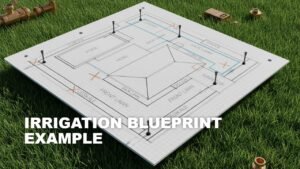
Sketch the lawn outline. Include curves, corners, and obstacles. Mapping helps identify where sprinklers should be placed.
Identify Hardscape Features
Walkways, patios, and driveways block spray patterns. These features influence sprinkler placement and zone design.
Measure Lawn Sections
Divide the lawn into manageable sections. Measure length, width, and angles. Accurate measurements support proper equipment spacing.
Careful evaluation strengthens designing for odd-shaped lawns and prevents layout errors.
Zoning Strategies for Irregular Spaces
Zoning divides the lawn into manageable watering sections. Each zone operates independently.
Separate Narrow Areas
Long, narrow strips require different watering schedules. These areas often need specialized nozzles.
Divide Curved Sections
Curved edges benefit from adjustable spray heads. Separate zones allow precise watering control.
Group Similar Conditions
Group areas with similar sun exposure and soil type. This improves efficiency and prevents overwatering.
Zoning plays a major role in designing for odd-shaped lawns and maintaining balanced irrigation.
Choosing the Right Sprinkler Types
Equipment selection affects coverage and efficiency.
Adjustable Spray Heads
Adjustable spray heads work well for irregular shapes. They allow custom arcs and coverage patterns. These heads help prevent overspray onto hard surfaces.
Rotary Nozzles
Rotary nozzles provide slow, even watering. They suit narrow and curved areas. Reduced runoff improves efficiency.
Drip Irrigation
Drip systems work well for planting beds and tight spaces. They deliver water directly to roots. Drip irrigation reduces waste in irregular zones.
Choosing flexible equipment improves designing for odd-shaped lawns and ensures consistent coverage.
Sprinkler Placement Techniques
This YouTube video below from Todays Task explains how to place sprinklers for full coverage watering. It shows spacing techniques and overlap patterns for even distribution. The overview helps readers improve irrigation efficiency and avoid dry spots.
Proper placement prevents dry spots and overspray.
Head-to-Head Coverage
Each sprinkler should reach the next sprinkler. Overlap ensures consistent watering. This principle applies even in irregular layouts.
Use Corner and Strip Nozzles
Corner nozzles water triangular areas. Strip nozzles work for narrow spaces. These specialized heads improve coverage accuracy.
Avoid Overspray
Adjust spray patterns to avoid sidewalks and driveways. Overspray wastes water and increases costs.
Correct placement supports designing for odd-shaped lawns and improves system performance.
Pressure and Flow Management
Irregular layouts often include varied zone sizes. Pressure must remain consistent across all zones.
Install Pressure Regulators
Pressure regulators protect equipment and maintain consistent output. Balanced pressure prevents misting and uneven watering.
Use Separate Zones for Different Sprinklers
Mixing spray heads and rotors in one zone causes uneven watering. Separate zones ensure proper pressure for each sprinkler type.
Monitor Flow Rate
Calculate total flow for each zone. Proper flow prevents pressure drops and ensures consistent coverage.
Managing pressure strengthens designing for odd-shaped lawns and keeps systems efficient.
Layout Planning Tips
Strategic planning prevents coverage gaps.
Work from the Perimeter
Start by placing sprinklers along edges. Then fill in central areas. This approach ensures full coverage.
Adjust for Angles
Use adjustable heads for angled spaces. Match spray patterns to lawn shape.
Plan for Obstacles
Trees and structures block spray patterns. Adjust placement to maintain coverage.
Careful layout planning improves designing for odd-shaped lawns and reduces water waste.
Smart Technology for Irregular Lawns
Smart irrigation controllers improve efficiency.
Weather-Based Controllers
Smart controllers adjust watering based on weather. This prevents overwatering and saves water.
Flow Sensors
Flow sensors detect leaks and irregular usage. Early detection prevents damage.
Remote Control Systems
Remote monitoring allows adjustments from mobile devices. Property managers can respond quickly to issues.
Technology enhances designing for odd-shaped lawns and simplifies system management.
Maintenance Strategies
Regular maintenance ensures consistent coverage.
Maintenance checklist:
- Inspect sprinkler alignment
- Clean clogged nozzles
- Check pressure levels
- Test zones regularly
- Adjust seasonal schedules
Routine checks prevent dry spots and equipment failure.
Common Mistakes to Avoid
Avoid these errors when designing irregular irrigation systems.
Using Standard Spacing
Standard spacing rarely works for irregular shapes. Adjust spacing to match lawn geometry.
Ignoring Narrow Areas
Narrow strips often receive too much or too little water. Use specialized nozzles for these spaces.
Overlapping Hard Surfaces
Overspray onto driveways wastes water. Adjust spray patterns carefully.
Avoiding these mistakes improves designing for odd-shaped lawns and system efficiency.
Cost and Efficiency Considerations
Custom layouts may increase installation costs. However, efficient watering reduces long-term expenses.
Efficient systems lower water bills and maintenance costs. Proper design prevents turf damage and repairs.
Investing in thoughtful design provides long-term savings and better landscape performance.
Environmental Benefits
Efficient irrigation conserves water and protects soil. Even coverage prevents runoff and erosion. Healthy landscapes require fewer resources over time.
Designing for odd-shaped lawns supports sustainable landscaping and responsible water use.
Practical Tips for Property Owners
Follow these steps for better results:
- Measure lawn layout carefully
- Use adjustable sprinkler heads
- Separate zones by shape
- Test coverage after installation
- Adjust schedules seasonally
These steps ensure reliable irrigation performance.
FAQs
How do you irrigate an irregular lawn?
Use adjustable sprinkler heads and divide the lawn into zones. Proper spacing ensures even coverage.
What sprinklers work best for odd-shaped lawns?
Adjustable spray heads, rotary nozzles, and drip systems work well for irregular spaces.
Can smart controllers help irregular lawns?
Yes. Smart controllers adjust watering schedules based on weather and soil conditions.
How do you avoid overspray on sidewalks?
Adjust spray patterns and use specialized nozzles. Proper placement prevents overspray.
Do irregular lawns require more zones?
Often yes. Smaller zones provide better control and more even watering.
Conclusion
Irregular lawns require thoughtful irrigation planning. Standard layouts rarely provide even coverage. Designing for odd-shaped lawns ensures efficient watering and healthy landscapes.
Proper zoning, equipment selection, and layout planning create reliable systems. Smart technology and regular maintenance improve long-term performance. Review your lawn shape and irrigation layout carefully to build a system that delivers consistent coverage and lasting efficiency.