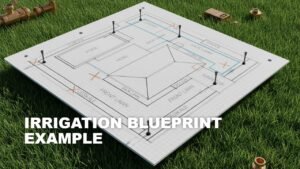
Head-to-head coverage explained is a core principle in sprinkler system design. Proper spacing ensures water reaches every part of the lawn. Landscapes thrive when sprinklers overlap correctly. Poor spacing leads to dry spots and wasted water.
Homeowners and property managers often face uneven irrigation. Some areas flood while others stay dry. A well-designed system solves these issues. Understanding head-to-head coverage helps create consistent watering patterns.
This guide breaks down spacing, layout, and system planning. You will learn how to apply this concept to lawns, commercial landscapes, and managed properties.

What Head-to-Head Coverage Means
This YouTube video below from Pro Irrigation Training explains head-to-head coverage in sprinkler system design. It shows how proper spacing ensures even water distribution. The overview helps readers plan efficient and consistent irrigation layouts.
Head-to-head coverage refers to sprinkler spacing where each head sprays water to the next head. Water from one sprinkler reaches the base of another. Overlap ensures even distribution across the entire area.
Without overlap, water coverage becomes inconsistent. Edges receive less water. Turf health declines quickly. Balanced spacing prevents these problems.
This principle applies to all irrigation systems. Spray heads, rotors, and drip zones benefit from proper coverage planning.
Why Proper Coverage Matters
Even watering supports healthy landscapes. Plants need consistent moisture to grow strong roots. Uneven watering weakens turf and increases maintenance costs.
Poor coverage creates several issues:
- Brown patches in lawns
- Overwatering in certain areas
- Higher water bills
- Soil compaction
- Increased pest problems
Learning head-to-head coverage explained allows property managers to avoid these problems. Efficient coverage improves plant health and reduces waste.
How Sprinkler Overlap Works
Sprinklers distribute water in circular patterns. Each head covers a specific radius. Overlapping these patterns creates consistent moisture levels.
Full Coverage Principle
Each sprinkler must reach the next sprinkler’s location. Overlap ensures water reaches all edges. This method eliminates dry gaps.
Pressure and Distribution
Water pressure affects spray distance. Low pressure reduces coverage radius. High pressure can create misting. Systems must maintain balanced pressure for effective overlap.
Adjusting for Wind
Wind can shift spray patterns. Overlapping coverage compensates for wind drift. Proper spacing maintains consistent watering even in mild wind conditions.
Understanding head-to-head coverage explained helps maintain uniform watering despite environmental changes.
Types of Sprinklers and Coverage Needs
This YouTube video below from Smart Farming Inside explains seven types of sprinkler systems used in irrigation. It covers spray, rotor, impact, nozzle, and bubbler options. The overview helps readers choose the right system for efficient watering.
Different sprinklers require different spacing. Choosing the right type improves system performance.
Spray Heads
Spray heads work well for small areas. They apply water quickly. Proper overlap prevents runoff and uneven watering.
Recommended spacing matches the spray radius. For example, a 12-foot radius requires 12-foot spacing between heads.
Rotor Sprinklers
Rotors apply water slowly. They suit larger lawns and commercial properties. Overlap remains essential for even coverage.
Rotor spacing depends on pressure and nozzle type. Most rotors need 25 to 35 feet between heads.
Rotary Nozzles
Rotary nozzles combine spray and rotor benefits. They apply water slowly and evenly. These nozzles improve coverage on slopes and compacted soil.
Each system benefits when head-to-head coverage explained principles guide placement.
Designing a System with Proper Coverage
Designing an irrigation layout requires careful measurement. Every zone must receive consistent water.
Step 1: Measure the Area
Determine the size and shape of the landscape. Measure width and length. Map obstacles like walkways and driveways.
Step 2: Choose Sprinkler Types
Select heads based on area size. Small lawns need spray heads. Large areas need rotors. Match sprinkler type to landscape needs.
Step 3: Plan Head Placement
Place heads so each one reaches the next. Overlap spray patterns across the entire area. Avoid large gaps between heads.
Step 4: Adjust for Corners and Edges
Corner areas require special nozzles. Half-circle and quarter-circle heads help maintain coverage. Proper placement prevents dry edges.
Applying head-to-head coverage explained during design ensures balanced watering from the start.
Common Coverage Mistakes
Many systems fail due to poor planning. Avoid these mistakes to improve irrigation performance.
Wide Spacing
Sprinklers placed too far apart leave dry spots. Turf suffers from inconsistent watering. Always match spacing to spray radius.
Mixed Head Types
Combining spray and rotor heads in one zone causes uneven watering. Each type applies water at different rates. Separate them into different zones.
Incorrect Pressure
Low pressure reduces spray distance. High pressure causes misting. Pressure regulators help maintain proper coverage.
Ignoring Landscape Changes
Trees and structures block spray patterns. Adjust layouts as landscapes grow and change.
Understanding head-to-head coverage explained helps prevent these costly errors.
Benefits of Proper Sprinkler Coverage
Correct spacing offers long-term advantages for property owners.
Key benefits include:
- Healthier lawns and plants
- Reduced water waste
- Lower maintenance costs
- Improved system efficiency
- Better soil moisture balance
Consistent watering strengthens root systems. Landscapes remain green and resilient throughout the season.
Adjusting Coverage for Slopes and Wind
Sloped landscapes need special attention. Water flows downhill quickly. Overlapping coverage helps control runoff.
Wind also affects spray patterns. Wider overlap improves consistency in windy areas. Adjust spacing to maintain even watering.
These adjustments reinforce the principles behind head-to-head coverage explained.
Maintenance for Consistent Coverage
Even well-designed systems require regular maintenance. Routine checks keep coverage consistent.
Maintenance tips include:
- Inspect sprinkler alignment
- Clean clogged nozzles
- Check pressure levels
- Replace worn heads
- Test coverage annually
Regular inspections prevent dry spots and overwatering. Maintenance protects the investment in irrigation systems.
Cost Savings Through Efficient Design
Efficient coverage reduces water waste. Systems run less frequently. Property owners save money on water bills.
Proper spacing also reduces repair costs. Even watering prevents turf damage and soil erosion. Long-term savings often outweigh installation costs.
Using head-to-head coverage explained during system planning improves financial efficiency and landscape health.
Environmental Impact of Proper Coverage
Efficient irrigation supports sustainability goals. Even watering reduces runoff and waste. Landscapes use only the water they need.
Balanced systems protect soil structure and prevent nutrient loss. Healthy landscapes improve environmental conditions around homes and commercial properties.
Practical Tips for Homeowners and Managers
Apply these tips to improve irrigation performance:
- Match sprinkler spacing to spray radius
- Use pressure regulators for consistency
- Separate sprinkler types into zones
- Adjust layouts for obstacles
- Test coverage regularly
These steps help maintain even watering and prevent landscape damage.
FAQs
What is head-to-head sprinkler coverage?
Head-to-head coverage means each sprinkler sprays water to the next sprinkler. This overlap ensures even watering across the landscape.
Why is overlap important in irrigation?
Overlap prevents dry spots and uneven watering. It ensures all areas receive consistent moisture.
How far apart should sprinklers be placed?
Spacing depends on spray radius. Heads should be placed at distances equal to their spray reach.
Can poor coverage increase water bills?
Yes. Uneven coverage causes overwatering in some areas and dry spots in others. This leads to wasted water and higher costs.
Do all sprinkler systems need head-to-head coverage?
Yes. All irrigation systems benefit from proper spacing and overlap for consistent watering.
Conclusion
Proper sprinkler spacing determines irrigation success. Landscapes stay healthy when water distributes evenly. Understanding head-to-head coverage explained helps homeowners and property managers design efficient systems.
Balanced coverage reduces waste and improves plant health. Systems last longer and perform better with proper planning. Applying these principles creates consistent results across lawns and landscapes. Explore your system layout closely and see how improved coverage can transform irrigation performance.