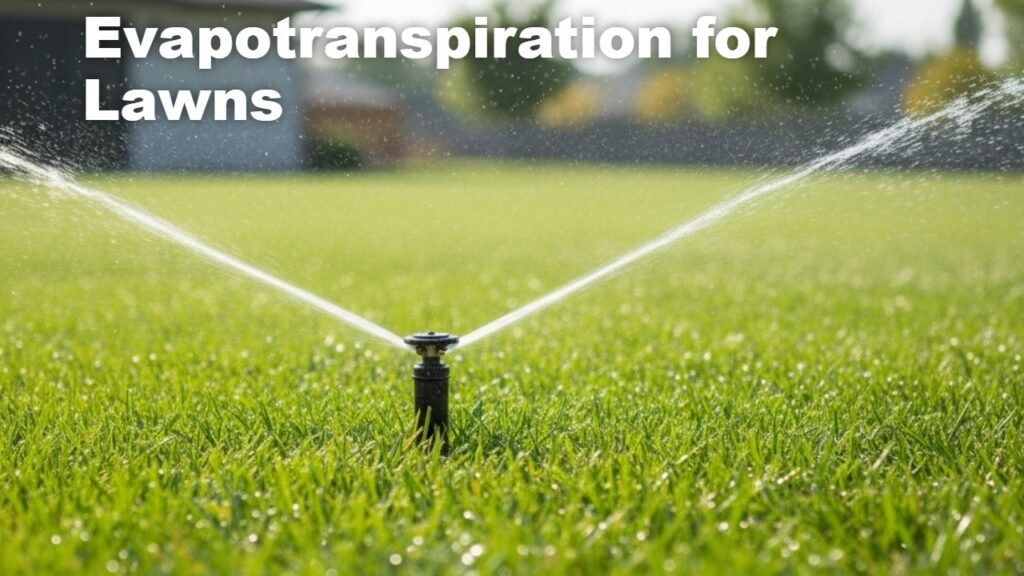
Evapotranspiration for lawns determines how much water your turf actually needs. Many homeowners rely on fixed watering schedules. Property managers often use timers without adjusting for weather. Both approaches waste water and weaken grass.
Evapotranspiration, often called ET, measures how water leaves soil and plants. It combines evaporation from soil with transpiration from grass blades. Understanding this process helps you water efficiently and protect landscape health.
This guide explains the science of ET, why it matters, and how to use it to improve irrigation performance.
What Is Evapotranspiration?
This YouTube video below from the University of Nebraska–Lincoln explains what evapotranspiration is and how it affects plant water use. It shows how evaporation and plant transpiration work together. The overview helps readers understand smarter irrigation and water management.
Evapotranspiration describes the total water lost from soil and plants. Two processes drive it.
- Evaporation: water leaving the soil surface
- Transpiration: water released through plant leaves
Together, these processes determine how fast turf loses moisture. When ET rates rise, lawns need more water. When ET drops, watering should decrease.
Evapotranspiration for lawns acts as a real-time indicator of turf hydration needs.
Why ET Matters for Lawn Health
Watering based on ET prevents common lawn problems. Too much water causes disease and shallow roots. Too little water stresses grass and reduces growth.
When irrigation matches ET rates:
- Roots grow deeper
- Soil oxygen improves
- Water waste drops
- Turf becomes more resilient
Property managers who monitor ET often see lower water bills and healthier landscapes.
The Science Behind Evapotranspiration for Lawns
This YouTube video below from KWQC News explains the science behind evapotranspiration, often called “corn sweat.” It shows how crops release moisture and influence local humidity and weather. The explanation helps readers understand how plant water loss affects irrigation planning.
ET depends on environmental conditions. Weather directly controls how quickly water leaves soil.
Key Factors Affecting ET
Temperature
Higher temperatures increase evaporation and plant water use. Summer heat drives ET upward.
Sunlight
Strong sunlight accelerates moisture loss. Cloudy days reduce ET.
Wind
Wind removes moisture from leaf surfaces. Windy conditions raise ET quickly.
Humidity
Low humidity allows faster evaporation. High humidity slows moisture loss.
Each of these factors influences evapotranspiration for lawns daily.
Understanding ET Rates
ET rates measure how much water leaves the soil over time. These values are usually expressed in inches per day or week.
For example:
- Low ET: cool, cloudy weather
- High ET: hot, dry, windy conditions
Local weather stations and irrigation controllers often calculate ET automatically.
Monitoring ET helps homeowners avoid overwatering during cool periods and underwatering during heat waves.
ET and Irrigation Scheduling
Many irrigation systems run on fixed timers. That method ignores weather changes. ET-based watering adjusts schedules dynamically.
Benefits of ET-Based Scheduling
- Reduces water waste
- Prevents runoff
- Improves root depth
- Saves money
- Supports sustainable landscaping
Smart irrigation controllers use ET data to adjust watering automatically.
How to Calculate Evapotranspiration for Lawns
You do not need complex equipment to estimate ET. Several tools simplify the process.
Local Weather Data
Weather stations often publish ET values. These reports help guide watering decisions.
Smart Controllers
Modern controllers adjust runtime based on ET readings. They calculate watering needs daily.
Soil Moisture Sensors
Sensors track moisture levels in real time. They confirm whether ET estimates match soil conditions.
Combining these tools improves irrigation accuracy.
Grass Type and ET Needs
Different grasses use water differently. Warm-season grasses tolerate heat better. Cool-season grasses need more water during summer.
Cool-Season Grasses
- Kentucky bluegrass
- Fescue
- Ryegrass
These grasses have higher ET in summer and lower ET in cooler months.
Warm-Season Grasses
- Bermuda
- Zoysia
- St. Augustine
These grasses handle heat better and often require less water overall.
Matching irrigation to grass type improves evapotranspiration for lawns management.
Soil Type and ET Performance
Soil affects how water moves and how long moisture remains available.
Sandy Soil
Drains quickly. Requires frequent watering but smaller amounts.
Clay Soil
Holds water longer but absorbs slowly. Needs deeper watering cycles.
Loam Soil
Balances drainage and retention. Works well with ET-based irrigation.
Understanding soil type ensures accurate ET adjustments.
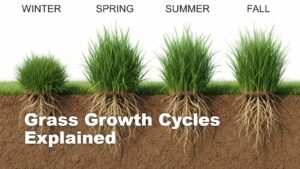
Seasonal ET Changes
ET rates shift throughout the year.
Spring
Moderate ET due to mild temperatures.
Summer
Highest ET rates. Increased watering needed.
Fall
Declining ET as temperatures drop.
Winter
Minimal ET for dormant lawns.
Adjusting irrigation seasonally prevents overwatering and saves water.
Practical Tips for Using ET in Lawn Care
Homeowners and property managers can apply ET knowledge immediately.
- Check weekly ET reports
- Adjust watering duration
- Use smart irrigation controllers
- Monitor soil moisture
- Reduce watering during rain
- Increase watering during heat waves
These steps improve evapotranspiration for lawns management without guesswork.
ET and Water Conservation
Water restrictions are common in many regions. ET-based irrigation helps comply with regulations.
Efficient watering reduces runoff and prevents waste. Landscapes stay healthy while using less water.
Property managers benefit from predictable water costs and improved compliance.
Common Mistakes When Ignoring ET
Ignoring ET leads to several issues.
- Overwatering during cool weather
- Underwatering during heat
- Increased disease
- Higher water bills
- Weak root systems
Monitoring evapotranspiration for lawns prevents these problems.
Tools That Help Track ET
Modern technology simplifies ET management.
- Smart irrigation controllers
- Weather-based timers
- Soil moisture sensors
- Mobile irrigation apps
These tools automate adjustments and improve accuracy.
Long-Term Benefits of ET-Based Irrigation
Landscapes managed with ET data become more resilient.
- Stronger root systems
- Reduced fertilizer waste
- Lower maintenance costs
- Improved drought tolerance
- Consistent turf quality
ET-based watering supports sustainable landscape management.
FAQs
What is evapotranspiration for lawns?
Evapotranspiration measures water lost through evaporation and plant transpiration. It determines lawn watering needs.
How often should I adjust watering based on ET?
Check ET weekly or after major weather changes. Adjust irrigation accordingly.
Do smart controllers use ET automatically?
Yes. Many modern controllers calculate ET using local weather data.
Does ET vary by grass type?
Yes. Different grasses use water differently and respond to climate conditions.
Can ET reduce water bills?
Proper ET-based watering often lowers water use and saves money.
Conclusion
Evapotranspiration for lawns provides the most accurate way to determine watering needs. It reflects real weather conditions, plant use, and soil behavior. Fixed watering schedules cannot match this level of precision.
Homeowners and property managers who understand ET gain better control over irrigation efficiency. They reduce waste, strengthen turf, and maintain healthier landscapes year-round.
Start tracking evapotranspiration today and you will quickly see how smarter watering transforms both lawn health and water costs.