Lawn Dormancy – When to Stop Watering
Lawn Dormancy – When to Stop Watering is a critical question for homeowners and property managers who want to maintain healthy turf while conserving water. Grass does not grow at a constant rate throughout the year. Instead, it enters a natural survival phase known as dormancy when environmental conditions become stressful.
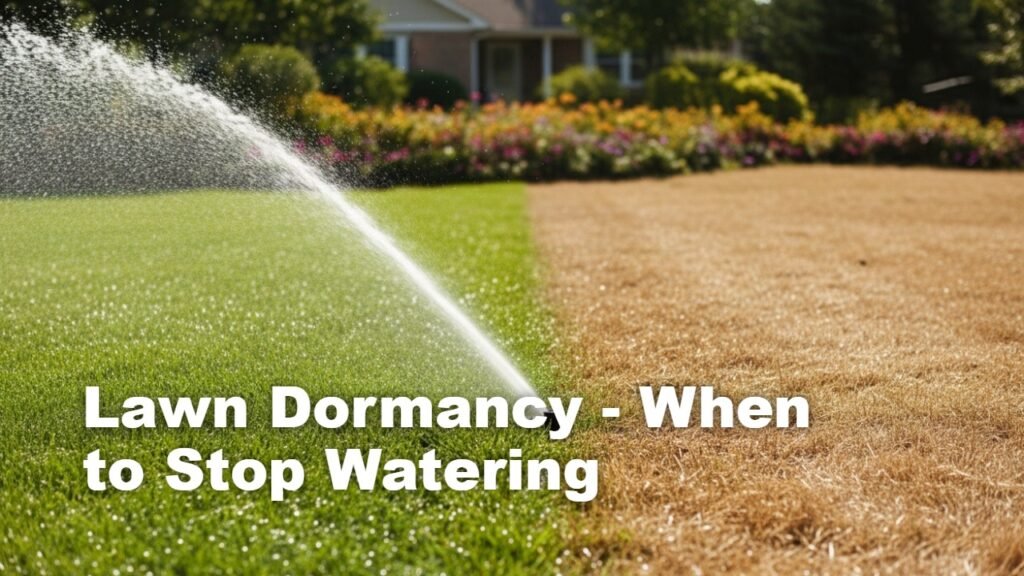
Dormancy is not a sign of failure or poor maintenance. It is a protective response triggered by extreme heat, drought, or cold temperatures. During this period, turfgrass conserves energy and moisture by slowing growth and reducing water consumption. Understanding this biological process allows property owners to adjust irrigation responsibly and avoid unnecessary water use.
Properly managing dormancy ensures that your lawn survives seasonal stress and recovers stronger when favorable conditions return.
Understanding Lawn Dormancy
This YouTube video below from Ryan Knorr Lawn Care explains why a lawn going dormant can actually be beneficial. It shows how dormancy protects grass during heat or drought stress. The insight helps readers understand seasonal lawn care and recovery.
Lawn dormancy occurs when turfgrass temporarily suspends active growth. The blades may turn brown or straw-colored, but the crown and root system remain alive beneath the surface. This adaptation allows grass to survive unfavorable environmental conditions without permanent damage.
During dormancy:
- Growth slows or stops entirely
- Water usage declines significantly
- Energy is stored in the root system
- The lawn appears dry but remains viable
The key to managing Lawn Dormancy: When to Stop Watering lies in recognizing that visual color change does not equal plant death.
Seasonal Triggers of Dormancy
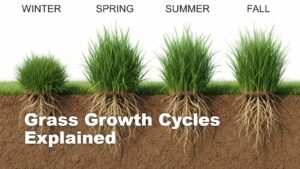
Grass responds to climate conditions rather than calendar dates. Dormancy typically occurs in two primary scenarios.
Summer Dormancy
Prolonged heat combined with limited rainfall can push cool-season grasses into dormancy. Soil temperatures rise, evaporation increases, and moisture becomes scarce. The plant conserves water by halting growth.
Winter Dormancy
Warm-season grasses enter dormancy when soil temperatures decline in late fall. Cold soil restricts nutrient absorption and growth slows naturally.
For property managers overseeing large landscapes, understanding seasonal dormancy patterns is essential for accurate irrigation planning.
Grass Type Determines Timing
Different turf varieties respond differently to environmental stress.
Cool-Season Grasses
Kentucky bluegrass, perennial ryegrass, and tall fescue thrive in moderate temperatures. They may go dormant during extended summer heat.
Warm-Season Grasses
Bermuda grass, Zoysia, and St. Augustine perform best in hot climates but become dormant when cooler weather arrives.
Identifying your turf type is fundamental when evaluating Lawn Dormancy: When to Stop Watering decisions.
Recognizing the Signs of Dormancy
Professional landscape managers rely on observation and testing rather than color alone.
Visual Indicators
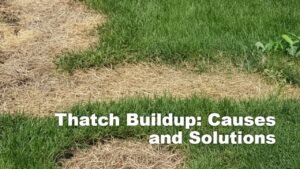
- Uniform browning across large areas
- Footprints remain temporarily visible
- Minimal growth between mowings
- Dry appearance without brittleness
Root-Level Indicators
- Grass resists gentle pulling
- Crown tissue appears firm and white
- Soil retains light moisture below the surface
If roots remain intact, the lawn is dormant—not dead.
Lawn Dormancy: When to Stop Watering — Practical Guidelines
This YouTube video below from Jake The Lawn Kid explains why you should stop watering a dormant lawn. It shows how overwatering can harm grass during dormancy. The guidance helps readers protect turf and manage seasonal watering correctly.
Stopping irrigation entirely is rarely recommended. Instead, watering should be reduced to survival levels.
General Recommendation
Apply approximately ½ inch of water every two to three weeks during prolonged dry periods. This minimal hydration protects the crown without stimulating growth.
During Summer Dormancy
- Water deeply but infrequently
- Avoid shallow daily irrigation
- Monitor soil moisture before scheduling
During Winter Dormancy
- Water only during extended dry spells
- Do not irrigate frozen soil
- Adjust controllers based on rainfall
Strategic reduction, not elimination, is the professional approach.
Risks of Overwatering During Dormancy
Continuing a full irrigation schedule during dormancy can cause long-term harm.
Excess watering may lead to:
- Shallow root development
- Fungal infections
- Increased weed pressure
- Elevated utility costs
- Soil compaction
Dormant turf cannot efficiently absorb or utilize excess moisture. Matching irrigation to biological demand prevents these issues.
Fertilization and Dormancy
Fertilizing during dormancy is ineffective and often counterproductive. Since the grass is not actively growing, nutrients remain unused and may contribute to runoff or weed growth.
Resume fertilization only after visible green-up and active growth return.
Mowing Adjustments During Dormancy
Professional lawn management includes modifying mowing practices.
Recommended adjustments:
- Raise mowing height slightly
- Avoid cutting dormant grass excessively
- Stop mowing once growth ceases
Maintaining proper height protects soil temperature and supports root health.
How Long Dormancy Lasts
Dormancy duration depends on climate conditions.
- Summer dormancy may last several weeks during drought
- Winter dormancy can extend for several months in cooler regions
Grass resumes growth naturally when moisture and temperature improve. Patience is essential.
Differentiating Dormant Grass from Dead Turf
A simple test helps determine the difference.
Perform a gentle tug test:
- If roots hold firmly, the grass is dormant
- If turf pulls out easily, the area may be dead
Dead patches require reseeding or repair, while dormant areas recover naturally.
When to Resume Normal Irrigation
Irrigation should gradually increase when:
- Temperatures moderate
- Rainfall becomes consistent
- New green shoots appear
Avoid sudden heavy watering. Gradual adjustments support safe reactivation of root systems.
Water Conservation Benefits
Properly managing Lawn Dormancy: When to Stop Watering reduces water consumption significantly. For large residential properties and commercial landscapes, this translates into measurable cost savings and environmental responsibility.
Strategic irrigation management also reduces stress on irrigation infrastructure and minimizes runoff.
Best Practices for Property Managers
Large-scale landscapes require proactive planning.
Professional recommendations include:
- Seasonal irrigation audits
- Soil moisture monitoring
- Controller reprogramming at seasonal transitions
- Clear communication with residents about dormancy expectations
Educating stakeholders prevents unnecessary watering and complaints about natural browning.
Common Mistakes to Avoid
Avoid these frequent errors:
- Watering daily during dormancy
- Fertilizing brown turf
- Ignoring soil moisture levels
- Assuming brown grass is permanently dead
- Restarting full irrigation too quickly
Correcting these practices protects long-term turf performance.
FAQs
Is brown grass always dormant?
Not always. Brown grass may indicate dormancy or death. Root inspection confirms the difference.
Can dormant grass survive without any water?
Extended drought without minimal hydration can damage crowns. Occasional watering protects survival.
Should irrigation timers be turned off?
Timers should be adjusted, not completely disabled, unless rainfall is sufficient.
Does dormancy harm lawn health?
No. Dormancy is a natural protective response and often strengthens root systems.
How quickly will grass recover?
Recovery typically occurs within two to three weeks once favorable conditions return.
Conclusion
Lawn Dormancy: When to Stop Watering requires an informed and measured approach. Dormancy is a biological strategy designed to protect turf during environmental stress. Rather than reacting to color changes with excessive irrigation, homeowners and property managers should adjust watering schedules to align with plant demand.
By reducing irrigation, monitoring soil moisture, and avoiding unnecessary fertilization, you protect root systems, conserve water, and maintain long-term landscape performance.
Understanding dormancy transforms seasonal browning from a concern into a strategic opportunity for sustainable lawn management.