Lawn Recovery After Drought
Lawn Recovery After Drought is one of the most important landscape management challenges homeowners and property managers face after prolonged dry weather. Extended periods without sufficient rainfall place turfgrass under severe physiological stress. Moisture reserves in the soil decline, root systems shrink, and grass blades lose chlorophyll, causing the lawn to turn tan or straw-colored.
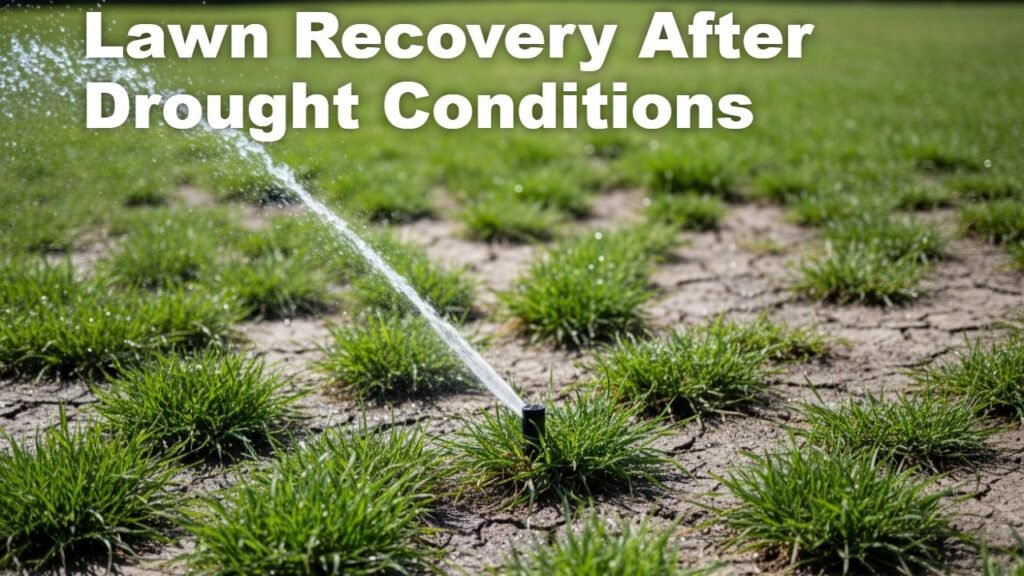
A brown lawn often creates unnecessary alarm. In many cases, the grass is not dead — it is dormant. Turfgrass has evolved to survive drought by conserving energy and reducing growth. The crown, located at the base of the plant, protects vital tissues until favorable moisture conditions return.
Successful recovery depends on restoring soil function, rebuilding root strength, and carefully reintroducing water. Overreacting with excessive irrigation or fertilizer frequently causes more harm than the drought itself. A measured recovery plan protects the turf while encouraging healthy regrowth.
This YouTube video below from How To with Doc explains how lawns recover after drought stress. It covers watering adjustments, recovery timing, and turf care steps. The guidance helps readers support faster lawn rebound after hot, dry conditions.
What Actually Happens to Grass During Drought
To properly manage Lawn Recovery After Drought, it helps to understand the biological response of turfgrass to water scarcity.
When soil moisture drops below the plant’s needs:
- Stomata close to prevent water loss
- Photosynthesis slows dramatically
- Leaf growth stops
- Root production declines
- Stored carbohydrates are preserved
The plant essentially pauses above-ground growth to keep the crown alive. This survival mechanism allows many lawns to remain viable for weeks or even months with minimal rainfall.
Cool-season grasses typically suffer during hot, dry summers, while warm-season grasses struggle during cold dry winters. However, both types rely on stored energy in the crown and roots to survive drought periods.
Dormancy vs. Permanent Damage
Correct diagnosis determines whether recovery or renovation is required.
Dormant Turf Characteristics
- Uniform discoloration
- Grass blades fold but do not crumble
- Roots remain attached to soil
- Crown tissue appears white or cream colored
Dead Turf Characteristics
- Patchy areas
- Easily pulled from soil
- Dry, brittle roots
- No response after irrigation resumes
A simple “tug test” is highly effective. Gently pull a handful of grass. If it holds firm, recovery is likely.
Step 1: Rewet the Soil Profile Carefully
The first stage of Lawn Recovery After Drought is not watering heavily — it is teaching the soil to absorb water again.
Severely dry soil often becomes hydrophobic. Water initially runs off rather than soaking in.
Proper Rehydration Method
Start with light irrigation cycles:
- 5–10 minutes watering
- Wait 30–60 minutes
- Repeat several times
This “cycle-and-soak” approach breaks surface tension and restores infiltration capacity.
Avoid flooding the lawn. Excess water causes runoff, erosion, and nutrient loss without benefiting the roots.
Step 2: Encourage Deep Root Recovery
After the soil begins absorbing moisture normally, deeper watering becomes necessary. Roots must regrow before visible turf recovery occurs.
Deep watering encourages:
- Root elongation
- Greater drought resistance
- Improved nutrient uptake
- Long-term turf stability
Apply approximately 1 inch of water per week, divided into two watering sessions. Water early morning to minimize evaporation and fungal risk.
Step 3: Relieve Soil Compaction
Drought hardens soil. Foot traffic during dry conditions further compresses it, restricting oxygen exchange.
Why Compaction Matters
Roots require oxygen as much as water. Without airflow:
- Roots suffocate
- Microbial activity declines
- Water infiltration slows
Core aeration is highly beneficial during Lawn Recovery After Drought. Removing soil plugs restores pore space and allows water and oxygen to reach the root zone.
Step 4: Modify Mowing Practices
Improper mowing is a common recovery mistake. Cutting grass too short after drought severely weakens recovering turf.
Recommended Adjustments
- Raise mowing height by 20–30%
- Use sharp mower blades
- Never remove more than one-third of blade length
Longer grass blades shade the soil surface, reducing evaporation and cooling the root zone.
Step 5: Fertilize Only After Active Growth Returns
Fertilizing a dormant lawn is ineffective. The plant cannot use nutrients until photosynthesis resumes.
Wait until:
- Green shoots appear
- Consistent growth resumes
- Soil moisture stabilizes
Use slow-release nitrogen fertilizers. Quick-release products force rapid growth that weakens recovering roots.
Step 6: Overseed or Repair Dead Areas
Some areas may not recover, especially where heat stress combined with compaction.
Repair Process
- Loosen soil lightly
- Add organic compost
- Apply appropriate seed
- Maintain consistent moisture
Overseeding improves turf density and reduces future weed invasion.
Soil Type and Recovery Speed
This YouTube video below from Wageningen Environmental Research explains how compacted soils recover over time. It discusses natural processes and management practices that improve soil structure. The overview helps readers understand long-term solutions for healthier root growth and better water movement.
Soil structure strongly influences Lawn Recovery After Drought.
Clay Soil
- Retains moisture longer
- Slower drainage
- Requires less frequent watering
Sandy Soil
- Drains quickly
- Warms rapidly
- Needs more frequent irrigation
Adding organic matter improves both soil types by increasing water-holding capacity and microbial activity.
Irrigation System Adjustments
Automatic irrigation should be reprogrammed gradually.
Avoid:
- Daily watering
- Long single cycles
- Fixed schedules ignoring rainfall
Instead, monitor soil moisture manually or with probes. Proper scheduling prevents both underwatering and overwatering.
Weed Management During Recovery
Weeds often appear after drought because thin turf exposes soil to sunlight.
Avoid herbicides immediately after drought. Turfgrass is vulnerable and chemical stress can delay recovery.
Focus on:
- Improving density
- Proper mowing
- Consistent watering
Healthy turf naturally suppresses weeds.
Disease Risks After Drought
Ironically, fungal diseases often appear after drought, not during it. Overwatering stressed turf creates ideal conditions for pathogens.
Common post-drought diseases:
- Brown patch
- Pythium
- Root rot
Moderate irrigation and good airflow reduce disease likelihood.
Expected Recovery Timeline
Recovery depends on drought severity, soil condition, and grass type.
Typical progression:
Week 1–2: Soil moisture restoration
Week 2–4: New shoots appear
Week 4–6: Root system strengthens
Week 6–8: Turf density improves
Patience is critical. Roots recover before visible greening occurs.
Preventing Future Drought Damage
The goal of Lawn Recovery After Drought is not just restoration — it is resilience.
Preventive Practices
- Annual aeration
- Deep, infrequent watering
- Proper mowing height
- Organic matter addition
- Soil testing
Deep-rooted lawns withstand drought significantly better.
Water Conservation Benefits
Proper recovery reduces long-term water usage. Lawns with deeper roots require fewer irrigation cycles and retain moisture longer.
Efficient landscapes:
- Reduce runoff
- Lower utility costs
- Improve environmental sustainability
Water management is both economic and ecological.
Common Recovery Mistakes
Avoid these critical errors:
- Flooding dry lawns
- Fertilizing immediately
- Cutting grass short
- Ignoring soil compaction
- Assuming brown equals dead
Recovery succeeds when actions align with turf biology.
FAQs
How quickly can a lawn recover after drought?
Visible improvement usually occurs within 2–4 weeks once moisture returns.
Should I water daily after drought?
No. Deep, infrequent watering is more effective than shallow daily irrigation.
Can completely brown grass come back?
Yes, if crowns and roots remain alive.
Is aeration necessary?
Highly recommended if soil is compacted.
When should I reseed?
After two to three weeks if areas show no regrowth.
Conclusion
Lawn Recovery After Drought requires restoring soil moisture gradually, rebuilding root systems, and managing turf carefully during regrowth. The objective is not rapid greening but sustainable recovery.
Homeowners and property managers who focus on soil health, proper irrigation depth, and patient maintenance will see their lawns return stronger than before. Drought does not have to permanently damage a landscape. With informed management and strategic care, turfgrass can recover fully and develop improved tolerance to future dry conditions.