Master valve installation protects irrigation systems from leaks, pressure surges, and costly water waste. A master valve controls water flow at the main supply line. It opens only when irrigation zones run and closes when watering stops. This simple component prevents constant pressure on downstream pipes and valves.
Homeowners with large landscapes benefit from reduced leak risk. Property managers gain better control over system safety and water usage. Installing a master valve correctly improves long-term reliability and prevents expensive repairs. Understanding proper placement, wiring, and maintenance ensures the valve performs as intended.
What Is a Master Valve and Why It Matters
This YouTube video below from Sprinkler Nerd Andy explains what an irrigation master valve is and how it works in a sprinkler system. It shows how the valve controls water flow and adds protection. The overview helps readers understand a key safety component in irrigation design.
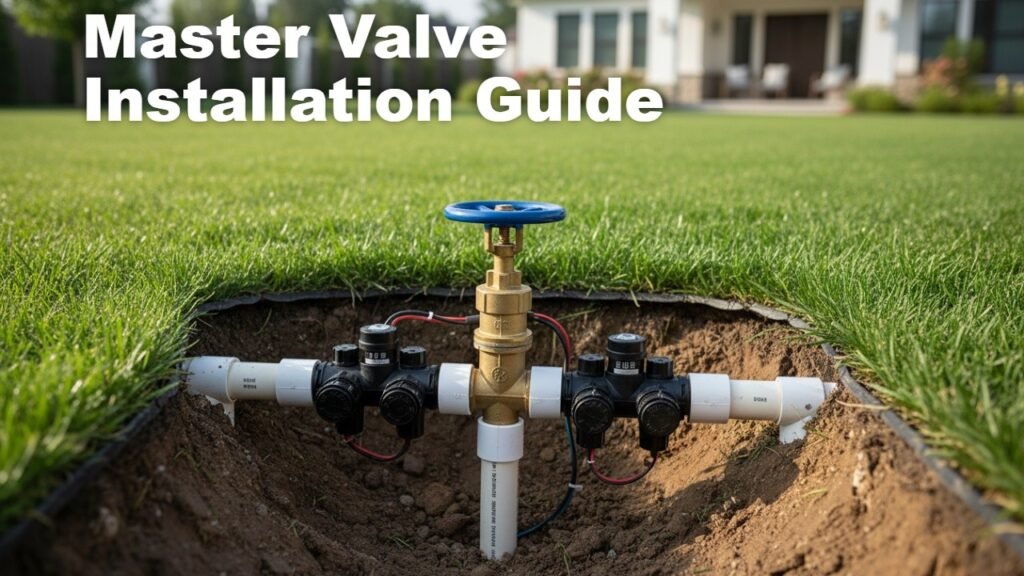
A master valve sits between the main water source and irrigation valves. It remains closed when the system is off. The valve opens only when the controller activates a zone. This design keeps pipes depressurized when not in use.
Without a master valve, irrigation lines stay under constant pressure. That pressure increases the chance of leaks and pipe bursts. Installing one adds a layer of protection to the entire system.
Key Benefits of Master Valve Installation
- Reduces risk of underground leaks
- Prevents continuous pressure in pipes
- Improves system safety
- Supports water conservation
- Simplifies emergency shutdown
Properties with high water pressure benefit the most from this protection.
When a Master Valve Is Required
Master valve installation becomes essential in several scenarios. Large properties often require added safety measures. Systems connected to municipal water lines may face strict regulations.
Many local codes require a master valve when pressure exceeds safe limits. Commercial landscapes also benefit from automated shutdown capability.
Situations That Demand a Master Valve
- High water pressure conditions
- Large multi-zone systems
- Sloped landscapes
- Properties with frequent leaks
- Systems using pumps
Understanding these factors helps determine whether installation is necessary.
Choosing the Right Master Valve Type
Not all valves perform the same. Selecting the correct valve ensures compatibility with your system.
Most irrigation systems use electric solenoid master valves. These valves connect to the controller and operate automatically. Some properties use hydraulic or manual shutoff valves as backups.
Common Valve Options
- Electric solenoid master valves
- Brass or plastic construction
- Pressure-regulating master valves
- Flow control models
Choose materials based on water quality and pressure conditions.
Proper Placement for Master Valve Installation
Placement determines how well the valve protects the system. Install the master valve after the backflow preventer but before zone valves. This position allows the valve to control all downstream water flow.
Avoid installing the valve too far from the main supply. Long pressurized pipe runs reduce effectiveness.
Placement Best Practices
- Install near the main water source
- Position after backflow device
- Keep accessible for maintenance
- Protect from flooding
- Use a valve box for protection
Proper placement ensures efficient operation.
Step-by-Step Master Valve Installation Process
This YouTube video below from Hunter Landscape Irrigation explains how to install valves from the mainline to lateral lines. It walks through setup, connections, and best practices. The guidance helps readers build a reliable and efficient irrigation system.
Master valve installation requires careful planning and accurate wiring. Follow a structured approach to ensure reliable performance.
Step 1: Shut Off Water Supply
Turn off the main water line before starting. Release pressure by opening a hose bib. This step prevents accidental flooding.
Step 2: Cut and Prepare Pipe
Cut the mainline pipe where the valve will sit. Clean pipe edges and remove debris. Dry-fit components before final assembly.
Step 3: Install the Valve
Attach the valve with proper fittings. Ensure flow direction matches arrow markings on the valve body. Tighten connections securely without over-tightening.
Step 4: Wire the Valve
Connect one wire to the controller’s master valve terminal. Connect the other wire to the common wire. Use waterproof connectors to protect splices.
Step 5: Test the System
Restore water supply and run a test cycle. Confirm the master valve opens only when zones operate. Inspect for leaks and pressure issues.
Wiring Considerations
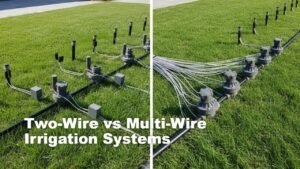
Correct wiring ensures the master valve functions properly. Controllers typically include a dedicated master valve terminal.
Use direct burial irrigation wire rated for outdoor use. Protect all splices with waterproof connectors. Keep wiring organized inside valve boxes.
Wiring Tips
- Label wires clearly
- Avoid loose connections
- Protect from moisture
- Test continuity before backfilling
Reliable wiring prevents operational failures.
Integrating a Master Valve with Pumps
Pump-driven systems often use master valves. The controller activates the pump relay and master valve simultaneously. This setup ensures water flows only when zones operate.
Proper coordination between pump and valve protects equipment from dry running.
Pump System Considerations
- Install check valves
- Confirm pressure ratings
- Use compatible controllers
- Test start-up sequence
Integration ensures safe operation.
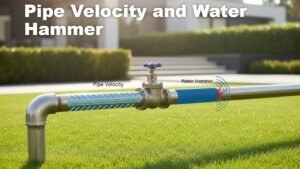
Preventing Pressure Surges and Leaks
Master valve installation helps control pressure spikes. Closing the valve when watering stops reduces stress on pipes.
Systems without a master valve remain pressurized constantly. Over time, fittings and joints weaken. Installing a master valve reduces long-term damage.
Additional Protection Measures
- Install pressure regulators
- Add surge protection
- Use high-quality fittings
- Inspect system regularly
These steps improve overall reliability.
Maintenance After Installation
Routine maintenance ensures long-term performance. Master valves require periodic inspection and testing.
Maintenance Checklist
- Inspect valve box for debris
- Test opening and closing cycles
- Check wiring connections
- Monitor system pressure
- Replace worn components
Regular checks prevent unexpected failures.
Common Master Valve Installation Mistakes
Avoid common errors during installation. Mistakes reduce effectiveness and create maintenance issues.
- Installing in wrong location
- Incorrect wiring
- Ignoring flow direction
- Poor waterproofing
- Skipping pressure testing
Attention to detail ensures proper operation.
Practical Tips for Homeowners and Property Managers
Active oversight improves system reliability.
- Request a system diagram
- Label all valves clearly
- Test master valve monthly
- Schedule annual inspections
- Monitor water bills
Proactive management prevents hidden leaks.
FAQs
What does a master valve do in irrigation systems?
A master valve controls water flow to the entire system, opening only when zones run.
Is a master valve necessary for small systems?
Small systems may operate without one, but installation adds protection against leaks.
Where should a master valve be installed?
Install it after the backflow preventer and before zone valves.
Can I install a master valve myself?
Experienced homeowners can install one, but professional installation ensures proper wiring and placement.
How often should I test the master valve?
Test the valve at least once per month during irrigation season.
Conclusion
Master valve installation provides essential protection for irrigation systems of all sizes. Proper placement, wiring, and maintenance ensure reliable operation and prevent costly leaks. Property owners who invest in this component gain greater control over water use and system safety. Careful installation today reduces future repairs and protects landscape investments. Explore professional-grade master valve solutions and take the next step toward a safer, more efficient irrigation system.