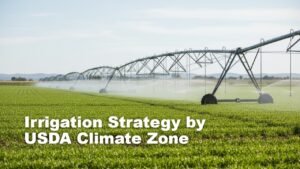
Climate-Based Irrigation & Water Regulation Guide (USA) planning is essential for homeowners and property managers who want to reduce water waste, stay compliant with local rules, and maintain healthy landscapes. Weather patterns across the United States vary widely. Irrigation strategies must adapt to regional climate conditions and water regulations.
Many municipalities enforce watering schedules, drought restrictions, and efficiency requirements. A climate-based approach ensures irrigation systems operate within these rules while supporting plant health. Smart planning improves efficiency and protects budgets.
This guide explains how to align irrigation practices with climate data and regulatory requirements across the United States.

Why Climate-Based Irrigation Matters
This YouTube video below from JAIN by Rivulis explains how climate change affects irrigation planning. It highlights shifting rainfall patterns, water demand, and system adjustments. The video serves as a quick reference for adapting irrigation to changing conditions.
Weather conditions directly affect water demand. Temperature, humidity, rainfall, and wind all influence how quickly soil dries.
Climate-Based Irrigation & Water Regulation Guide (USA) planning helps managers:
- Reduce unnecessary watering
- Follow local watering restrictions
- Lower utility costs
- Improve landscape health
- Support sustainability goals
Traditional timers operate on fixed schedules. Climate-based systems adjust watering based on real conditions. This improves efficiency and compliance.
Understanding Water Regulations Across the USA
Water rules vary by state and municipality. Many regions implement seasonal watering limits or drought restrictions.
Common Water Regulations
Typical requirements include:
- Designated watering days
- Time-of-day restrictions
- Limits during drought
- Efficiency standards for irrigation systems
- Requirements for rain sensors
Property managers must stay informed about local regulations. Noncompliance can result in fines or service restrictions.
Climate-Based Irrigation & Water Regulation Guide (USA) planning ensures systems operate within legal limits.
Key Climate Zones and Irrigation Needs
This YouTube video below from Rain Bird explains how multiple irrigation zones improve watering efficiency. It shows how separating areas by plant needs and water pressure enhances system performance. The video serves as a quick reference for designing balanced irrigation systems.
The United States includes multiple climate zones. Each zone requires different irrigation strategies.
Arid and Semi-Arid Regions
States such as Arizona and Nevada require strict water management. Efficient systems and drought-tolerant plants are essential.
Humid Regions
States in the Southeast receive more rainfall. Irrigation schedules must adjust to prevent overwatering.
Cold Regions
Northern states require seasonal shutdown and winterization.
Coastal Areas
Salt exposure and wind affect plant water needs.
Climate-Based Irrigation & Water Regulation Guide (USA) planning must consider regional climate patterns.
Core Components of Climate-Based Irrigation
Weather-Based Controllers
Smart controllers adjust watering based on weather data. They use evapotranspiration rates to determine plant water needs.
Benefits include:
- Automatic seasonal adjustments
- Reduced water waste
- Compliance with restrictions
- Improved plant health
These controllers form the foundation of climate-based irrigation.
Soil Moisture Sensors
Soil sensors measure moisture levels. Systems activate only when needed. This prevents overwatering.
Sensors improve accuracy and reduce water consumption.
Rain and Freeze Sensors
Rain sensors pause irrigation during rainfall. Freeze sensors prevent watering during cold conditions.
These devices support regulatory compliance and system protection.
Climate-Based Irrigation & Water Regulation Guide (USA) strategies rely on sensor integration.
Sample Irrigation Compliance Framework
| Region Type | Key Regulation Concern | Recommended Strategy |
|---|---|---|
| Arid West | Drought restrictions | Smart controllers |
| Southeast | Rainfall variability | Soil moisture sensors |
| Northeast | Seasonal shutdown | Winterization plan |
| Midwest | Temperature swings | Seasonal schedule updates |
| Coastal | Wind exposure | Drip irrigation |
This framework helps managers align systems with regional requirements.
Climate-Based Irrigation & Water Regulation Guide (USA) planning must adapt to location-specific conditions.
Benefits of Climate-Based Irrigation
A climate-driven approach delivers measurable results.
Reduced Water Use
Smart scheduling prevents unnecessary watering.
Lower Costs
Reduced consumption lowers utility bills.
Regulatory Compliance
Systems align with local watering rules.
Healthier Landscapes
Plants receive water based on need rather than fixed schedules.
Environmental Responsibility
Efficient irrigation supports conservation goals.
Climate-Based Irrigation & Water Regulation Guide (USA) strategies benefit both finances and sustainability.
How to Implement Climate-Based Irrigation
This YouTube video below from the Food and Agriculture Organization explains climate-smart supplemental irrigation practices. It highlights how targeted watering supports crops during dry periods and improves water efficiency. The video serves as a quick reference for sustainable irrigation planning.
Step 1: Assess Current System
Review controller type, sensor presence, and schedule accuracy.
Step 2: Install Smart Technology
Upgrade to weather-based controllers and sensors.
Step 3: Adjust Schedules
Align watering with seasonal climate data.
Step 4: Monitor Usage
Track monthly water consumption and adjust as needed.
Step 5: Stay Informed on Regulations
Check local watering rules regularly.
Climate-Based Irrigation & Water Regulation Guide (USA) implementation requires ongoing review.
Practical Tips for Property Managers
- Use weather-based controllers
- Monitor water bills monthly
- Adjust schedules seasonally
- Conduct annual irrigation audits
- Train staff on compliance requirements
Active management improves results.
Common Mistakes to Avoid
Avoid these errors:
- Using fixed watering schedules
- Ignoring rainfall data
- Skipping inspections
- Failing to install sensors
- Overlooking local regulations
Small mistakes can lead to large fines and wasted water.
Technology Integration for Multi-Site Properties
Large property portfolios benefit from centralized monitoring. Cloud-based platforms allow managers to oversee multiple sites.
Features include:
- Remote control
- Usage tracking
- Alert notifications
- Performance reports
Climate-Based Irrigation & Water Regulation Guide (USA) planning becomes easier with centralized technology.
Financial Planning and Budget Control
Efficient irrigation supports predictable budgets.
Savings come from:
- Lower water bills
- Fewer repairs
- Reduced fines
- Improved system lifespan
Budget planning should include technology upgrades and maintenance.
FAQs
What is climate-based irrigation?
It is an irrigation approach that adjusts watering schedules based on weather and environmental conditions.
Why are water regulations important?
Regulations protect water resources and ensure responsible use.
Do smart controllers help with compliance?
Yes. They adjust watering schedules and prevent watering during restricted times.
How often should irrigation schedules be reviewed?
Seasonal reviews and monthly monitoring are recommended.
Can older systems be upgraded?
Most systems can be retrofitted with smart controllers and sensors.
Conclusion
Climate-Based Irrigation & Water Regulation Guide (USA) planning helps homeowners and property managers reduce water use, follow regulations, and maintain healthy landscapes. Smart technology, regular monitoring, and climate-based scheduling create efficient systems that protect both budgets and the environment. Proactive planning ensures compliance and long-term sustainability.
Efficient irrigation starts with climate awareness and smart control. Explore how a climate-based strategy can improve water efficiency and compliance across your property portfolio.