Downspout integration with yard drainage is a critical step in protecting residential and commercial properties from water damage, soil erosion, and foundation issues. Every roof collects a significant amount of rainwater, and without proper direction, that water can pool around structures, weaken soil, and create costly long-term problems.
A properly integrated drainage system ensures that roof runoff is safely collected, transported, and discharged away from your property. Whether you manage a single-family home or oversee a multi-unit property, understanding how to integrate downspouts with yard drainage is essential for maintaining structural integrity and landscape stability.
This comprehensive guide explains system design, installation best practices, drainage options, and maintenance strategies to help you manage water efficiently.

Why Downspout Integration Matters for Property Protection
Roof runoff is one of the largest sources of water around any structure. A single storm can release hundreds of gallons of water from your roof into a small area.
Without effective downspout integration with yard drainage, water can accumulate near your foundation and create serious structural risks.
Key Risks of Poor Downspout Drainage
- Foundation cracks and settlement
- Basement flooding and moisture intrusion
- Soil erosion and landscape damage
- Standing water that attracts pests
- Pavement and driveway deterioration
Proper integration eliminates these risks and ensures controlled water flow.
How Roof Runoff Impacts Yard Drainage Systems
Understanding how water travels from roof to ground helps determine the best drainage solution.
Roof Runoff Flow Path
- Rainwater collects on the roof surface
- Gutters channel water toward downspouts
- Downspouts discharge water at ground level
- Yard drainage systems carry water away
Each stage must function properly for effective water management.
Common Downspout Drainage Problems
This YouTube video below from Storm Water Drainage Solutions explains how a downspout drain can fix backyard flooding. It shows how redirecting roof runoff protects lawns and foundations. The overview helps readers understand practical stormwater drainage improvements for residential properties.
Many properties experience drainage issues due to improper design or maintenance.
Typical Problems Include:
- Downspouts discharging too close to the foundation
- Splash blocks that do not direct water far enough
- Clogged or damaged gutters
- Broken underground drain lines
- Improper yard grading
Addressing these problems is essential for system efficiency.
Types of Downspout Drainage Solutions
There are several ways to connect downspouts to yard drainage systems.
1. Downspout Extensions
Extensions carry water several feet away from the building.
2. Buried Drain Pipes
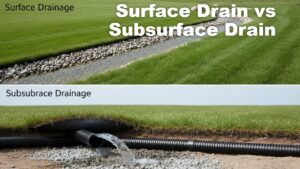
Underground pipes connect downspouts directly to drainage outlets.
3. French Drain Connections
French drains collect and redirect water from downspouts and surrounding soil.
4. Dry Well Systems
Dry wells collect water and allow it to slowly infiltrate into the soil.
5. Rainwater Harvesting Systems
Storage tanks capture roof runoff for reuse in irrigation.
Each solution serves a different property need.
Comparison of Downspout Drainage Options
| Solution Type | Best Use | Installation Complexity | Cost Level | Maintenance |
|---|---|---|---|---|
| Extensions | Small homes | Easy | Low | Low |
| Buried Pipes | Medium properties | Moderate | Moderate | Moderate |
| French Drains | Wet soil areas | Moderate | Moderate | Low |
| Dry Wells | High runoff areas | Moderate | Moderate | Moderate |
| Rainwater Tanks | Sustainable use | Moderate | Moderate to High | Moderate |
This comparison helps property owners choose the right system.
Designing an Effective Downspout Integration System
A well-designed system ensures efficient water flow and long-term performance.
Step 1: Evaluate Water Volume
Estimate how much water your roof generates during rainfall.
Step 2: Identify Discharge Locations
Choose safe areas where water can be directed without causing erosion or flooding.
Step 3: Plan Pipe Routing
Design underground pipe routes with proper slope for gravity flow.
Step 4: Select Drainage Components
Choose pipes, fittings, and connectors that match your system needs.
Step 5: Ensure Proper Grading
The yard must slope away from the foundation to support drainage.
Installation Best Practices
Correct installation ensures durability and performance.
Key Installation Guidelines
- Maintain a minimum 1–2% slope for pipes
- Use solid PVC pipes for underground drainage
- Install cleanouts for easy maintenance
- Seal all pipe connections
- Protect pipe outlets with grates or covers
Professional installation is recommended for complex systems.
Integrating Downspouts with Existing Yard Drainage
This YouTube video below from Storm Water Drainage Solutions shows how to install drainage pipes for downspouts. It explains routing, trenching, and proper water discharge. The tutorial helps readers understand effective exterior yard drainage setup.
Many properties already have drainage systems that can be upgraded.
Integration Options
- Connecting downspouts to existing French drains
- Linking to storm drain lines
- Routing into retention basins
- Connecting to dry wells
Integration reduces the need for new infrastructure.
Landscaping Considerations for Drainage Integration
Landscaping plays a vital role in managing water flow.
Effective Landscaping Practices
- Use gravel or rock channels to guide water
- Install swales to redirect runoff
- Plant erosion-resistant vegetation
- Avoid overwatering near drainage areas
Proper landscaping improves system performance.
Maintenance Requirements for Downspout Drainage Systems
Routine maintenance ensures long-term efficiency.
Maintenance Checklist
- Clean gutters and downspouts regularly
- Inspect underground pipes annually
- Remove debris from drain outlets
- Check for leaks or pipe damage
- Monitor water flow after heavy rain
Preventive maintenance avoids costly repairs.
Common Mistakes to Avoid
Avoid these errors when planning downspout integration with yard drainage:
- Directing water toward neighboring properties
- Using undersized pipes
- Ignoring yard grading
- Failing to install proper filtration
- Neglecting regular maintenance
Correct planning prevents system failure.
Practical Tips for Homeowners and Property Managers
Use these expert tips for effective drainage management:
- Extend downspouts at least 5–10 feet from your foundation
- Install splash blocks where needed
- Use leaf guards to prevent clogs
- Test drainage systems during heavy rainfall
- Keep records of maintenance and inspections
Consistent monitoring improves long-term results.
Cost Considerations and Long-Term Value
Costs vary depending on system size and complexity.
Typical Cost Factors
- Length of piping required
- Type of drainage system
- Labor and installation
- Landscaping adjustments
Investing in proper drainage reduces long-term repair costs and increases property value.
When to Hire a Drainage Professional
Some projects require expert design and installation.
Hire a Professional If:
- Water pooling persists around your home
- Foundation cracks appear
- Drainage systems fail during storms
- Complex piping systems are required
Professional assistance ensures compliance and effectiveness.
FAQs: Downspout Integration with Yard Drainage
How far should downspouts extend from a house?
Downspouts should direct water at least 5 to 10 feet away from the foundation.
Can I connect downspouts to underground drainage pipes?
Yes, underground pipes are one of the most effective drainage solutions.
Do I need a permit for drainage installation?
This depends on local regulations and the scope of the project.
What is the best pipe for underground drainage?
PVC pipes are commonly used due to their durability and smooth flow.
How often should drainage systems be inspected?
At least twice a year and after major storms.
Conclusion
Proper downspout integration with yard drainage is essential for protecting your property from water damage, soil erosion, and structural problems. By designing an effective system, installing it correctly, and maintaining it regularly, homeowners and property managers can ensure efficient water management and long-term property stability.
With the right combination of drainage solutions, landscaping practices, and routine maintenance, you can create a safe, dry, and resilient property that withstands even the heaviest rainfall.