Drainage design for new construction is one of the most important yet often overlooked aspects of building a home or managing a new property development. A properly designed drainage system protects foundations, preserves landscaping, and prevents costly water damage before it ever begins.
When water is not managed correctly from the start, even a well-built structure can suffer from flooding, erosion, and structural instability. By planning drainage early in the construction process, homeowners and property managers can avoid long-term maintenance issues and ensure a safe, durable property.
This comprehensive guide explains how to design effective drainage systems for new construction projects, covering grading, runoff control, drainage infrastructure, and maintenance planning.

Why Drainage Planning Is Critical in New Construction
This YouTube video below from engiNERDing explains key drainage construction methods and basic terminology. It covers pipe types, layout concepts, and system components. The overview helps readers understand foundational drainage design and installation principles.
Water management should be considered at the earliest stage of any construction project. Unlike retrofitting an existing property, new construction offers the opportunity to design drainage systems from the ground up.
Key Benefits of Proper Drainage Design
- Protects foundations from water intrusion
- Prevents basement flooding
- Reduces soil erosion and landscape damage
- Improves long-term property stability
- Minimizes future repair costs
A well-designed drainage system adds both value and longevity to any property.
Understanding Site Hydrology and Water Flow
Before implementing drainage design for new construction, it is essential to understand how water behaves on the site.
Key Factors to Evaluate
- Natural slope and elevation
- Soil type and permeability
- Rainfall patterns and intensity
- Existing drainage paths
- Nearby water bodies or flood zones
Understanding these factors helps determine how water will move across the property.
Soil Types and Their Impact on Drainage
Soil composition plays a major role in water absorption and runoff.
Common Soil Types
This YouTube video below from GrowVeg explains the five main types of soil every gardener should understand. It outlines how each soil type affects drainage, nutrients, and plant growth. The overview helps readers make smarter decisions for healthier gardens.
- Clay soil: Slow drainage, high water retention
- Sandy soil: Fast drainage, low water retention
- Loam soil: Balanced drainage and stability
Clay-heavy soils require more extensive drainage planning than sandy soils.
Grading and Site Preparation for Effective Drainage
Proper grading is the foundation of any drainage design.
Recommended Grading Practices
- Maintain a minimum 5% slope away from structures
- Avoid low spots where water can collect
- Ensure consistent grading across the property
- Create swales to guide water flow
Correct grading ensures water flows away from the building instead of toward it.
Core Components of Drainage Design for New Construction
A complete drainage system includes multiple integrated components.
Essential Drainage Elements
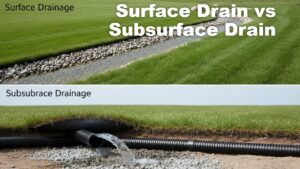
- Surface drainage systems
- Subsurface drainage systems
- Roof drainage systems
- Stormwater management systems
Each element works together to control water movement effectively.
Surface Drainage Systems
Surface systems manage water flowing across the ground.
Common Surface Drainage Solutions
- Swales and channels
- Catch basins
- Channel drains
- Grated trench drains
These systems quickly remove water from paved and landscaped areas.
Subsurface Drainage Systems
Subsurface systems manage water below the ground level.
Examples of Subsurface Systems
- French drains
- Perimeter foundation drains
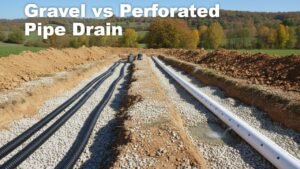
- Perforated pipe systems
- Gravel drainage beds
These systems prevent soil saturation and protect foundations.
Roof Drainage Integration
This YouTube video below from Apple Drains explains how roof drains and catch basins move water away from a home. It shows pipe size, discharge setup, and proper flow direction. The overview helps readers understand effective roof runoff drainage.
Roof runoff is a major source of water around structures.
Key Roof Drainage Components
- Gutters and downspouts
- Downspout extensions
- Underground drainage pipes
- Rainwater harvesting systems
Proper integration ensures water is safely discharged away from the building.
Stormwater Management Systems for New Developments
Larger properties or developments require advanced stormwater management.
Stormwater Control Methods
- Detention ponds
- Retention basins
- Dry wells
- Permeable paving systems
These systems manage high volumes of water during heavy rainfall.
Drainage System Comparison Table
| Drainage System | Best Use | Installation Complexity | Maintenance | Effectiveness |
|---|---|---|---|---|
| Surface Drains | Paved areas | Moderate | Low | High |
| French Drains | Subsurface water | Moderate | Low | High |
| Dry Wells | Runoff absorption | Moderate | Moderate | High |
| Detention Ponds | Large properties | High | Moderate | Very High |
| Permeable Paving | Driveways and walkways | Moderate | Low | High |
This table helps property managers select appropriate systems.
Designing Drainage Layouts for New Construction
A detailed drainage plan ensures system efficiency.
Key Design Considerations
- Flow direction and slope
- Pipe sizing and capacity
- Discharge locations
- Overflow management
- Accessibility for maintenance
Proper design prevents system overload and failure.
Installation Best Practices
Correct installation is essential for long-term performance.
Important Installation Guidelines
- Use durable materials such as PVC pipes
- Ensure proper pipe slope for gravity flow
- Install cleanouts for maintenance access
- Compact soil around drainage systems
- Protect outlets with grates or covers
Professional installation ensures compliance with building standards.
Landscaping Integration with Drainage Design
Landscaping supports drainage system performance.
Effective Landscaping Practices
- Use deep-rooted plants to stabilize soil
- Install mulch to reduce erosion
- Create rain gardens to absorb runoff
- Avoid overwatering near foundations
Landscaping enhances both function and appearance.
Maintenance Planning for Drainage Systems
Maintenance should be planned from the beginning.
Routine Maintenance Tasks
- Clean gutters and downspouts
- Inspect drains and pipes annually
- Remove debris from catch basins
- Check grading after heavy storms
Regular maintenance ensures system reliability.
Common Mistakes to Avoid in New Construction Drainage
Avoid these common errors:
- Ignoring site slope and natural drainage patterns
- Installing undersized drainage pipes
- Failing to plan for heavy rainfall
- Overlooking maintenance access points
- Directing water toward neighboring properties
Preventing these mistakes ensures system effectiveness.
Practical Tips for Homeowners and Property Managers
Use these expert tips to improve drainage design for new construction:
- Start drainage planning before construction begins
- Work with experienced drainage engineers
- Choose high-quality materials
- Test drainage systems after installation
- Document system layouts for future maintenance
These steps improve long-term performance and reduce risk.
Cost Considerations and Long-Term Value
Investing in proper drainage design saves money over time.
Cost Factors
- Property size and layout
- Type of drainage systems installed
- Labor and materials
- Landscaping requirements
Long-Term Benefits
- Reduced repair costs
- Increased property value
- Improved safety and usability
- Lower maintenance expenses
Drainage design is a long-term investment in property protection.
When to Hire a Professional Drainage Engineer
Professional expertise is often required for new construction projects.
Hire a Professional If:
- The property has complex grading
- Soil conditions are challenging
- Large drainage systems are required
- Local regulations require engineered plans
Professionals ensure compliance and system efficiency.
FAQs: Drainage Design for New Construction
Why is drainage important in new construction?
Proper drainage prevents water damage, protects foundations, and ensures long-term property stability.
What is the best drainage system for new homes?
A combination of grading, surface drainage, and subsurface systems is usually most effective.
How much slope is required for proper drainage?
A minimum slope of 5% away from the foundation is recommended.
Do all new constructions require stormwater management systems?
Not all, but larger developments typically require them by local regulations.
How often should drainage systems be inspected?
At least once a year and after major storms.
Conclusion
Effective drainage design for new construction is essential for building a safe, durable, and long-lasting property. By planning water management systems early, integrating grading and drainage infrastructure, and maintaining systems regularly, homeowners and property managers can prevent costly damage and ensure long-term structural stability.
A well-designed drainage system not only protects your investment but also enhances property value, improves landscape health, and provides peace of mind for years to come.