Drainage solutions for basement protection are essential for preventing water intrusion, structural damage, and mold growth. Poor yard drainage and improper foundation grading often allow water to seep into basements. Once moisture enters, repairs become expensive and disruptive.
Homeowners and property managers must treat water management as a priority. A dry basement depends on both exterior landscaping and subsurface drainage systems. Effective solutions redirect water away from the foundation before it causes damage.
This guide explains how to identify water risks, improve drainage, and install protective systems. You will learn practical strategies that protect foundations and maintain property value.

Why Basement Drainage Matters
This YouTube video below from Rebuild The Block explains why basement drainage is essential for protecting a home. It shows how water buildup leads to damage and mold. The overview helps readers understand the importance of proper basement drainage systems.
Basements sit below ground level. Soil surrounding the structure holds moisture after rainfall. Without proper drainage, water pressure builds against foundation walls.
Over time, this pressure forces moisture through cracks and joints. Small leaks eventually become major problems. Preventive drainage solutions for basement protection stop water before it reaches the structure.
Ignoring drainage leads to:
- Mold growth
- Foundation cracks
- Wood rot
- Interior flooding
- Reduced property value
Proactive planning prevents these costly outcomes.
Common Causes of Basement Water Problems
Understanding water sources helps determine the right solution.
Surface Runoff
Rainwater flowing toward the foundation creates pooling. Improper grading often causes this issue.
Groundwater Pressure
Rising groundwater levels increase hydrostatic pressure around foundation walls. This pressure pushes water through weak points.
Clogged Gutters
Overflowing gutters dump water near the foundation. This increases soil saturation.
Poor Soil Drainage
Clay soil retains water and drains slowly. Compacted soil prevents infiltration.
Identifying the cause guides effective drainage solutions for basement protection.
Exterior Grading and Landscape Adjustments
Grading is the first line of defense.
Positive Slope Away from Foundation
Soil should slope away from the structure. A 5 percent slope for at least 10 feet is recommended. This directs water away from the basement walls.
Filling Low Spots
Depressions near foundations collect water. Adding soil and compacting properly improves runoff direction.
Landscaping Adjustments
Avoid planting beds that trap water near the foundation. Use mulch and soil that allow drainage.
Correct grading strengthens drainage solutions for basement protection.
Gutter and Downspout Improvements
This YouTube video below from Apple Drains shows how to add a downspout to a gutter to improve water flow. It explains simple steps, tools, and parts needed. The tutorial helps readers prevent overflow and manage roof runoff more effectively.
Roof runoff contributes significant water volume.
Extend Downspouts
Downspouts should extend at least 6–10 feet from the foundation. Extensions move water away from walls.
Install Gutter Guards
Gutter guards prevent debris buildup. Clean gutters maintain steady water flow.
Direct Water to Drainage Areas
Connect downspouts to underground pipes that discharge water away from structures.
Managing roof water improves overall drainage solutions for basement protection.
French Drains and Perimeter Drainage
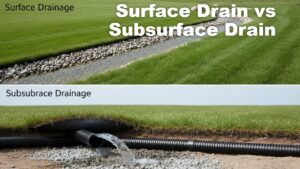
Subsurface drainage systems handle persistent moisture.
What Is a French Drain?
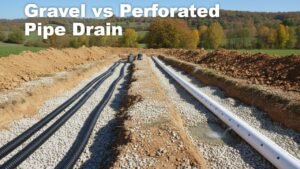
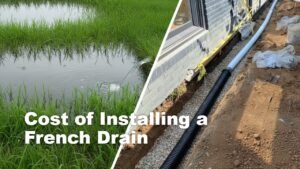
A French drain uses a perforated pipe surrounded by gravel. It collects groundwater and redirects it away from the foundation.
Installation Locations
Install French drains:
- Around foundation perimeters
- Along slopes
- In areas with standing water
French drains relieve hydrostatic pressure and prevent seepage.
Maintenance Considerations
Inspect drains regularly for clogs or sediment buildup. Proper maintenance ensures continued performance.
French drains are among the most effective drainage solutions for basement protection.
Interior Drainage Systems
When exterior drainage is insufficient, interior systems help.
Interior Perimeter Drains
Interior drains collect water that enters through foundation walls. They direct water toward a sump pump.
Sump Pumps
Sump pumps remove collected water from a basin and discharge it outside. Backup power systems ensure operation during outages.
Vapor Barriers
Vapor barriers reduce moisture entering basement spaces. They protect finished basements from humidity damage.
Interior systems complement exterior drainage solutions for basement protection.
Comparing Drainage Methods
| Solution | Best Use | Cost Level | Maintenance | Effectiveness |
|---|---|---|---|---|
| Regrading | Surface runoff | Moderate | Low | High |
| Downspout Extensions | Roof runoff | Low | Low | High |
| French Drains | Groundwater control | High | Medium | High |
| Sump Pumps | Interior water removal | Moderate | Medium | High |
| Gutter Improvements | Prevent overflow | Low | Low | Moderate |
| Soil Aeration | Compacted soil | Low | Medium | Moderate |
This table helps property owners select the right drainage solutions for basement protection based on conditions and budget.
Waterproofing Foundation Walls
Drainage works best when paired with waterproofing.
Exterior Waterproof Coatings
Waterproof membranes applied to foundation walls block moisture entry.
Crack Sealing
Seal visible cracks with epoxy or polyurethane injections. This prevents water penetration.
Drain Boards
Drain boards direct water downward toward perimeter drains.
Waterproofing enhances drainage solutions for basement protection.
Soil and Yard Drainage Enhancements
Improving soil structure helps manage water.
Aeration
Aerating soil improves infiltration. Water moves through soil instead of pooling.
Organic Matter
Adding compost improves soil drainage and stability.
Swales and Channels
Swales guide water away from structures. Vegetated swales slow runoff and reduce erosion.
These improvements support long-term drainage solutions for basement protection.
Seasonal Maintenance Tips
Regular maintenance prevents system failure.
Maintenance checklist:
- Clean gutters twice yearly
- Inspect downspouts
- Test sump pumps
- Check grading annually
- Clear debris from drains
Consistent upkeep ensures reliable performance.
Common Mistakes to Avoid
Avoid these errors when managing basement drainage.
Ignoring Early Signs
Small leaks often signal larger problems. Address issues quickly.
Relying on One Solution
Combine grading, drainage, and waterproofing for best results.
Improper Installation
Incorrect drain slope or placement reduces effectiveness.
Avoiding these mistakes strengthens drainage solutions for basement protection.
Practical Implementation Checklist
Use this step-by-step plan:
- Inspect yard slope
- Clean gutters and extend downspouts
- Install perimeter drainage if needed
- Add sump pump system
- Improve soil drainage
- Monitor basement humidity
A layered approach provides reliable protection.
FAQs
What causes basement flooding?
Poor grading, clogged gutters, and high groundwater levels often cause flooding.
Are French drains worth the cost?
Yes. They relieve pressure and prevent long-term water damage.
How often should sump pumps be tested?
Test sump pumps every three months and before rainy seasons.
Can landscaping prevent basement leaks?
Yes. Proper grading and drainage redirect water away from foundations.
Do all basements need drainage systems?
Most benefit from preventive drainage, especially in wet climates.
Conclusion
Protecting a basement requires proactive planning and reliable drainage systems. Drainage solutions for basement protection reduce water intrusion, preserve foundation integrity, and prevent costly repairs. Combining grading, gutter management, perimeter drains, and sump pumps creates a strong defense against moisture problems.
Property owners who invest in proper drainage maintain safer, healthier structures. Evaluate your landscape and foundation conditions today and implement effective drainage strategies that safeguard your property for years to come.