French drain vs channel drain vs dry well is one of the most important comparisons homeowners and property managers must understand when dealing with drainage and water runoff issues. Choosing the right solution can mean the difference between a dry, stable property and costly water damage.
Each system is designed for a specific purpose—whether it’s redirecting groundwater, managing surface runoff, or dispersing collected water safely into the soil. In this expert guide, we’ll break down how each system works, when to use it, and how to select the best option for your property.
Why Choosing the Right Drainage System Matters
Water intrusion and poor drainage can damage foundations, landscaping, driveways, and basements. The wrong drainage solution may not solve the problem—or worse, can make it more severe.
Effective drainage planning helps:
- Prevent structural damage
- Reduce erosion and soil loss
- Protect basements and crawl spaces
- Eliminate standing water
- Improve long-term property value
Understanding the difference between these systems ensures you invest in the right solution from the start.
What Is a French Drain?
This youtube video below from Apple Drains explains how a French drain works to move water away from problem areas. It shows the role of gravel, perforated pipe, and proper slope. The overview helps readers understand effective drainage solutions for landscapes.
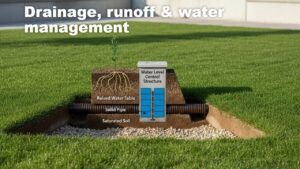
A French drain is a subsurface drainage system designed to redirect groundwater away from a specific area.
How It Works
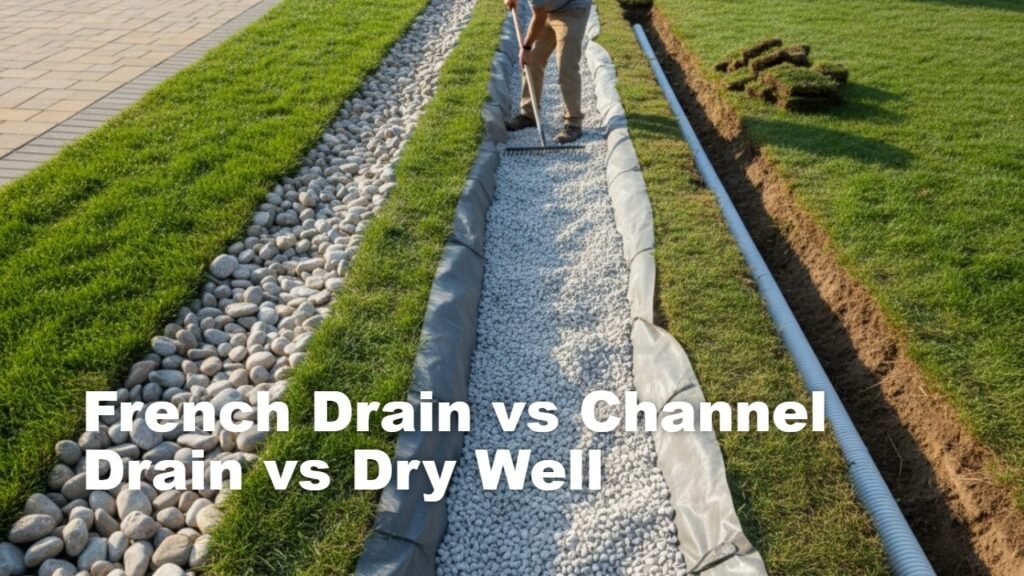
A trench is dug and filled with gravel, with a perforated pipe placed at the bottom. Water seeps through the gravel, enters the pipe, and is carried away from the problem area.
Best Uses for French Drains
French drains are ideal for:
- Basement moisture issues
- Waterlogged lawns
- Foundation protection
- Sloped properties with underground water flow
Key Advantages
- Highly effective for groundwater control
- Prevents foundation damage
- Long-lasting and low maintenance
Limitations
- Requires excavation
- Installation can be labor-intensive
- Not ideal for heavy surface water flow
What Is a Channel Drain?
This YouTube video below from Florida Paver Sealing explains what a channel drain is and how it works. It also shows how to remove the channel drain cap for cleaning and maintenance. The guide helps readers understand simple drainage upkeep for paved areas.
A channel drain (also called a trench drain) is a surface-level drainage system designed to collect and redirect water quickly.
How It Works
A long, narrow channel with a grate sits flush with the ground. Water flows into the channel and is directed through pipes to a discharge point.
Best Uses for Channel Drains
Channel drains are ideal for:
- Driveways and garages
- Patios and pool decks
- Commercial parking lots
- Hardscaped surfaces
Key Advantages
- Quickly removes surface water
- Prevents flooding in paved areas
- Durable and easy to maintain
Limitations
- Not effective for underground water
- Requires proper slope for flow
- Visible on the surface
What Is a Dry Well?
This YouTube video below from Apple Drains explains how a dry well works and when it helps manage excess water. It shows the setup, purpose, and limits of dry wells in drainage systems. The overview helps readers understand if a dry well fits their landscape needs.
A dry well is an underground structure that collects and disperses water into the surrounding soil.
How It Works
Water is directed into a buried container or gravel pit, where it slowly infiltrates into the soil.
Best Uses for Dry Wells
Dry wells are commonly used for:
- Roof runoff from downspouts
- Areas with excess surface water
- Rainwater management systems
Key Advantages
- Environmentally friendly solution
- Reduces runoff and erosion
- Recharges groundwater
Limitations
- Not suitable for clay soil
- Can overflow in heavy storms
- Requires adequate soil drainage
French Drain vs Channel Drain vs Dry Well: Key Differences
Understanding the functional differences helps determine which system is right for your property.
1. Type of Water Managed
- French drain: Groundwater and subsurface moisture
- Channel drain: Surface water runoff
- Dry well: Collected water storage and absorption
2. Installation Location
- French drain: Underground trench
- Channel drain: Surface-level installation
- Dry well: Underground basin
3. Ideal Property Conditions
- French drain: Sloped or waterlogged land
- Channel drain: Hard surfaces and paved areas
- Dry well: Areas needing water dispersal
4. Maintenance Requirements
- French drain: Minimal maintenance
- Channel drain: Regular debris cleaning
- Dry well: Occasional inspection
When to Choose Each Drainage Solution
Choose a French Drain If:
- You have persistent soggy soil
- Water seeps into your basement
- Groundwater collects around your foundation
Choose a Channel Drain If:
- Water pools on driveways or patios
- You need quick surface drainage
- You manage commercial or paved properties
Choose a Dry Well If:
- You want to store and disperse rainwater
- Downspouts create pooling
- You need an eco-friendly solution
Can You Combine These Systems?
Yes—many properties benefit from combining drainage solutions.
Common Combinations
- French drain + dry well for groundwater management
- Channel drain + dry well for surface runoff
- Full system integration for large properties
A combined approach often provides the most effective long-term solution.
Installation Cost Comparison
Costs vary based on property size, soil conditions, and labor.
Estimated Cost Ranges
- French drain: Moderate to high
- Channel drain: Moderate
- Dry well: Low to moderate
Investing in the correct system reduces long-term repair expenses.
Maintenance and Longevity
Proper maintenance ensures your drainage system remains effective.
Maintenance Tips
- Clean channel drain grates regularly
- Inspect French drains annually
- Check dry wells after heavy rainfall
- Remove debris and sediment buildup
Well-maintained systems can last 20–30 years or more.
Common Drainage Mistakes to Avoid
Avoid these costly errors when planning your drainage system:
- Choosing the wrong system for the problem
- Improper grading and slope
- Poor installation practices
- Ignoring soil type
- Failing to plan discharge locations
Consulting with a drainage professional can help avoid these issues.
Environmental and Sustainability Benefits
Modern drainage systems can support sustainable water management.
Eco-Friendly Benefits
- Reduce stormwater runoff
- Improve groundwater recharge
- Minimize erosion
- Support landscaping health
Dry wells and permeable systems are especially beneficial for eco-conscious properties.
Practical Tips for Homeowners and Property Managers
Use these expert tips to improve your drainage strategy:
- Always evaluate your property’s natural slope
- Install gutter extensions to direct roof water
- Use gravel and permeable materials in landscaping
- Schedule seasonal drainage inspections
- Work with licensed professionals for complex issues
Small improvements can prevent major structural damage.
FAQs: French Drain vs Channel Drain vs Dry Well
Which drainage system is best for heavy rainfall?
Channel drains are best for quickly removing heavy surface water, but combining them with a dry well improves long-term management.
Do French drains prevent basement flooding?
Yes, French drains are highly effective at redirecting groundwater away from foundations and basements.
How long does a dry well last?
A properly installed dry well can last 10–30 years depending on soil conditions and maintenance.
Can I install a drainage system myself?
Small channel drains can be DIY, but French drains and dry wells often require professional installation for best results.
What is the most cost-effective drainage solution?
Dry wells are generally the most affordable, but the best solution depends on your specific drainage problem.
Final Thoughts
Choosing between French drain vs channel drain vs dry well depends entirely on your property’s water management needs. Each system serves a specific purpose—whether it’s controlling groundwater, removing surface runoff, or dispersing collected water safely into the soil.
For homeowners and property managers, investing in the correct drainage solution protects structures, preserves landscaping, and prevents costly repairs. In many cases, combining systems provides the most effective and long-lasting results.
Evaluate your property carefully, identify the type of water problem you’re facing, and select the system that addresses the root cause—not just the symptoms. With the right approach, you can create a safe, dry, and well-protected property for years to come.