How to identify poor yard drainage is one of the most important skills for homeowners and property managers who want to protect their landscape, foundation, and outdoor structures. Poor drainage rarely appears suddenly—it develops over time through subtle signs such as pooling water, soil erosion, and unhealthy plant growth.
Recognizing these early indicators allows you to correct the problem before it leads to costly repairs, structural damage, or long-term soil degradation. This guide explains the warning signs, testing methods, and professional evaluation techniques that help you diagnose yard drainage issues accurately.

Why Detecting Yard Drainage Problems Early Matters
This YouTube video below from NDS Stormwater Management explains how to detect and solve common drainage problems. It highlights frequent yard issues and practical correction methods. The overview helps readers identify warning signs and apply effective drainage solutions.
Water management is fundamental to property maintenance. If water is not directed away from structures and landscaping, it can compromise both the appearance and safety of your property.
Risks of Poor Yard Drainage
- Foundation cracking and settlement
- Basement or crawl space moisture
- Soil erosion and landscape damage
- Lawn disease and root rot
- Mosquito breeding and pest problems
Understanding how to identify poor yard drainage ensures you can address these risks before they escalate.
Common Signs of Poor Yard Drainage
The first step is recognizing visible and physical indicators.
Surface-Level Warning Signs
- Standing water after rainfall or irrigation
- Muddy patches that remain wet for days
- Water pooling near the foundation
- Erosion lines or washed-out soil
- Visible channels where water flows
These signs indicate that water is not being absorbed or redirected properly.
Plant and Lawn Health Indicators
Poor drainage often shows up in vegetation.
- Yellowing grass or patchy lawn growth
- Root rot in plants
- Mold or fungus on soil
- Stunted plant growth
These conditions signal excessive moisture in the soil.
Structural Warning Signs
Water problems can also affect your home’s structure.
- Cracks in foundation walls
- Damp basements or crawl spaces
- Peeling paint or mold growth indoors
- Uneven settling around patios or walkways
These signs indicate long-term water exposure.
How to Test Yard Drainage Effectively
Visual inspection is helpful, but testing provides more precise information.
Simple Water Drainage Test
- Dig a hole about 12 inches deep
- Fill it with water
- Observe how long it takes to drain
Interpreting Results
- Drains within 1–2 hours: Good drainage
- Takes 4–6 hours: Moderate drainage
- More than 8 hours: Poor drainage
This test helps confirm soil absorption capacity.
Hose Runoff Test
Use a garden hose to simulate rainfall.
- Run water across your yard
- Observe where it collects
- Identify flow paths and pooling areas
This method reveals how water moves across your property.
Soil Types and Their Impact on Drainage
Soil composition plays a major role in drainage performance.
Common Soil Types
- Clay soil: Poor drainage, high water retention
- Sandy soil: Fast drainage, low retention
- Loam soil: Balanced drainage and absorption
Clay-heavy soil is the most common cause of poor yard drainage.
Yard Grading and Slope Evaluation
Grading determines how water flows across your property.
Proper Yard Slope
- A minimum 5% slope away from structures
- No depressions near the foundation
- Consistent grading across the landscape
If your yard slopes toward your home, water will naturally accumulate near the structure.
Drainage System Inspection
Existing drainage systems must be evaluated regularly.
Key Areas to Inspect
- Gutters and downspouts
- Catch basins and drains
- French drain systems
- Swales and drainage channels
Blocked or damaged systems can cause water to accumulate quickly.
Table: Common Drainage Problems and Their Causes
| Problem | Likely Cause | Impact on Property | Urgency Level |
|---|---|---|---|
| Standing water | Poor soil absorption | Lawn damage, mosquitoes | High |
| Soil erosion | Fast runoff | Landscape damage | High |
| Basement dampness | Foundation drainage failure | Structural risk | Critical |
| Patchy lawn | Overwatering or poor drainage | Plant health issues | Moderate |
| Cracked foundation | Hydrostatic pressure | Structural damage | Critical |
This table helps prioritize which drainage issues need immediate attention.
How Weather Patterns Affect Yard Drainage
Seasonal and climate conditions influence drainage performance.
Weather Factors
- Heavy rainfall increases runoff
- Long dry periods compact soil
- Freeze-thaw cycles affect soil structure
Understanding local weather patterns helps identify drainage risks.
Common Causes of Poor Yard Drainage
This YouTube video below from French Drain Man explains what causes poor yard drainage and how to avoid it. It highlights grading issues, soil type, and runoff problems. The overview helps readers understand common drainage failures and prevention steps.
Several factors contribute to drainage issues.
Primary Causes
- Improper yard grading
- Compacted soil
- Clogged drainage systems
- Overwatering irrigation systems
- Lack of drainage infrastructure
Identifying the cause is essential for choosing the right solution.
Practical Tips for Identifying Drainage Issues Early
Use these expert tips to detect problems before they worsen:
- Inspect your yard after every heavy rainfall
- Monitor water flow around downspouts
- Check soil moisture levels regularly
- Observe plant health changes
- Inspect foundation walls for cracks
Routine monitoring prevents costly damage.
When to Call a Drainage Professional
Some drainage issues require expert evaluation.
Hire a Professional If:
- Water consistently pools near your home
- Foundation cracks appear
- Erosion is severe
- Drainage systems fail repeatedly
Professionals use advanced tools to diagnose complex issues.
Preventive Measures After Identifying Drainage Problems
Once you know how to identify poor yard drainage, you can take corrective action.
Preventive Solutions
- Regrade the yard to improve slope
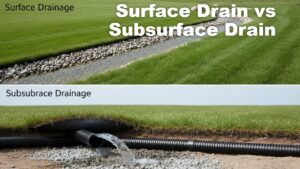
- Install French drains or surface drains
- Improve soil with organic matter
- Extend downspouts away from the home
- Add landscaping to stabilize soil
These solutions improve water flow and prevent damage.
Cost Considerations for Drainage Assessment and Repair
Costs vary depending on severity.
Typical Cost Factors
- Size of the property
- Soil type
- Drainage system installation
- Labor and materials
Early detection reduces overall repair costs significantly.
Long-Term Benefits of Proper Drainage Monitoring
Regular inspection and maintenance provide lasting benefits.
Key Benefits
- Healthier lawns and landscaping
- Reduced maintenance costs
- Improved property value
- Lower risk of structural damage
- Better overall water management
Monitoring drainage is a long-term investment in property care.
FAQs: How to Identify Poor Yard Drainage
What is the easiest way to identify drainage problems?
Look for standing water, soggy soil, and slow water absorption after rainfall.
Can poor drainage damage my home?
Yes, it can lead to foundation cracks, basement leaks, and structural instability.
How often should I check my yard for drainage issues?
At least twice a year and after heavy storms.
Does grass health indicate drainage problems?
Yes, yellowing or patchy grass often indicates excess moisture.
Do I always need a drainage system?
Not always—some issues can be fixed with grading or soil improvement.
Conclusion
Understanding how to identify poor yard drainage is essential for protecting your property, maintaining a healthy landscape, and preventing costly structural damage. By recognizing warning signs early, performing simple tests, and evaluating soil and grading conditions, homeowners and property managers can take proactive steps to correct drainage issues.
Effective water management begins with proper diagnosis. With regular monitoring and timely action, you can ensure your yard remains dry, stable, and well-maintained for years to come.