How to Improve Soil Drainage Naturally
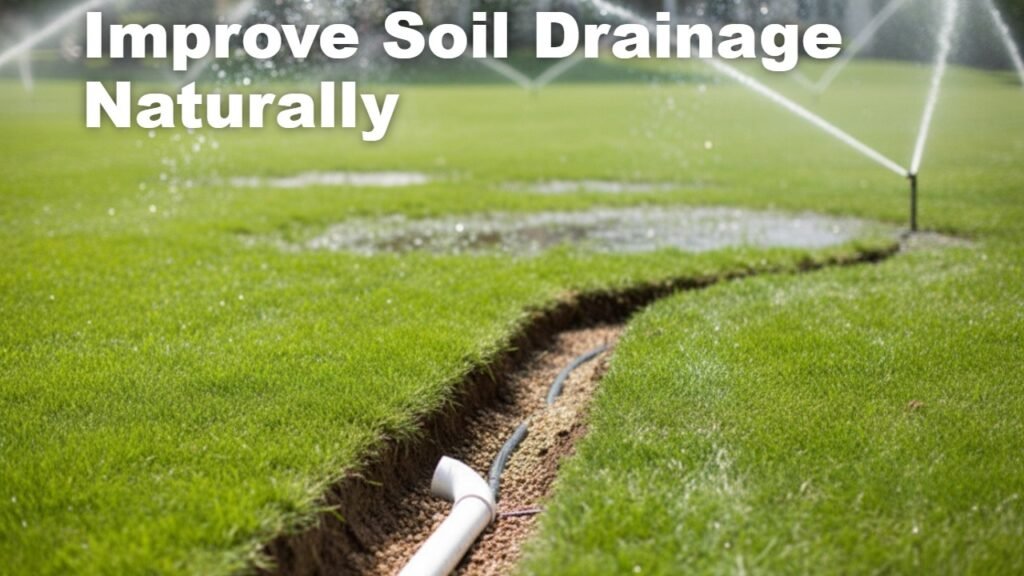
How to improve soil drainage naturally is one of the most important questions homeowners and property managers can ask. Poor drainage damages roots, wastes water, and weakens turf. When water sits too long in soil, oxygen disappears. Roots suffocate. Grass declines.
Many landscapes suffer from waterlogged areas after rain or irrigation. Some owners assume more watering will fix dry patches. Others blame irrigation systems alone. In reality, the problem often begins with soil structure.
Understanding how to improve soil drainage naturally helps restore balance underground. This guide explains causes, warning signs, and proven natural solutions.
This YouTube video below from John & Bob’s Smart Soil Solutions explains natural ways to improve soil drainage. It covers organic methods that help water move through soil properly. The overview supports healthier roots and better lawn growth.
Why Soil Drainage Matters
Healthy soil contains air pockets. Those spaces allow water to move downward while still supplying oxygen to roots. When soil drains properly, grass grows deeper and stronger.
Poor drainage leads to:
- Standing water
- Root rot
- Fungal disease
- Compaction
- Nutrient leaching
- Increased runoff
Improving soil drainage naturally protects long-term landscape health and reduces maintenance costs.
What Causes Poor Soil Drainage?
Before learning how to improve soil drainage naturally, you need to understand the root causes.
1. Heavy Clay Soil
Clay particles are small and tightly packed. Water enters slowly and drains even slower. Clay also compacts easily, worsening drainage.
2. deep watering
Foot traffic, construction, and equipment compress soil. Compacted soil loses pore space and prevents infiltration.
3. Poor Grading
If the landscape slopes toward structures, water collects in low areas. Drainage issues become visible after heavy rain.
4. Excess Irrigation
Overwatering saturates soil repeatedly. Wet soil compacts faster than dry soil.
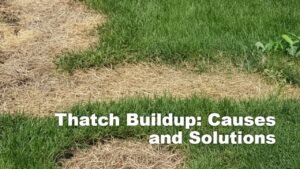
5. Thatch Buildup
Thick organic debris near the surface creates a barrier. Water struggles to penetrate evenly.
Each of these factors affects water movement below ground.
Signs Your Lawn Has Drainage Problems
Recognizing early symptoms helps you act quickly.
Watch for:
- Water pooling for hours
- Soft, spongy turf
- Yellow or thinning grass
- Moss growth
- Foul soil odor
- Patchy lawn recovery
Persistent saturation often signals that you need to improve soil drainage naturally rather than simply adjust sprinklers.
The Science Behind Natural Drainage
Soil drainage depends on structure. Good soil contains aggregates. These small clusters of particles create stable channels for water and air.
When structure collapses, water infiltration slows. Oxygen levels drop. Microbial life declines.
Natural drainage improvement focuses on rebuilding soil structure rather than masking symptoms.
How to Improve Soil Drainage Naturally: Proven Methods
This YouTube video below from She’s A Mad Gardener shares three simple steps to build healthy soil. It explains how soil structure, nutrients, and organic matter support plant growth. The overview helps readers create stronger, more productive soil.
1. Core Aeration
Core aeration removes small plugs of soil. These openings allow water to move deeper and roots to expand.
Benefits include:
- Increased infiltration rate
- Reduced surface runoff
- Improved root depth
- Enhanced nutrient absorption
Annual aeration is one of the most effective ways to improve soil drainage naturally.
2. Add Organic Matter
Organic matter transforms dense soil. Compost increases aggregation and supports microbial life.
Spread a thin layer of compost over the lawn after aeration. Water lightly to help it settle into holes.
Organic amendments:
- Improve soil structure
- Increase water-holding balance
- Enhance biological activity
- Reduce compaction over time
Adding compost consistently improves soil drainage naturally without chemicals.
3. Use Deep, Infrequent Watering
Shallow watering encourages weak surface roots. Deep watering encourages roots to grow downward.
Water deeply but allow soil to dry between cycles. This practice strengthens root systems and reduces surface saturation.
Avoid daily short cycles unless establishing new seed.
4. Plant Deep-Rooted Species
Certain plants naturally break compacted soil. Deep roots create channels for water movement.
Consider:
- Native grasses
- Clover blends
- Ornamental grasses
- Deep-rooted groundcovers
Living roots serve as natural aeration tools.
5. Incorporate Gypsum (When Appropriate)
Gypsum can help break up certain clay soils by improving particle separation. It works best in sodic soils with sodium imbalance.
Test soil before applying gypsum. Incorrect use offers little benefit.
6. Improve Surface Drainage with Grading Adjustments
Small grading corrections help redirect water away from low areas. Gentle slopes prevent pooling near foundations.
Natural contour adjustments reduce long-term saturation.
7. Install Rain Gardens
Rain gardens capture runoff and allow water to infiltrate gradually. They use native plants and amended soil to improve drainage performance.
This eco-friendly method enhances biodiversity while solving excess water issues.
8. Mulch Garden Beds
Mulch regulates moisture levels. It reduces surface crusting and slows runoff.
Organic mulch also decomposes and improves soil structure over time.
9. Break Up Hardpan Layers
Some soils contain compacted sublayers called hardpan. These layers block downward water movement.
Deep aeration or subsoiling may be required in severe cases.
10. Avoid Overworking Wet Soil
Working wet soil worsens compaction. Wait until soil is slightly moist before digging or landscaping.
Protect soil structure during maintenance activities.
Clay Soil: Special Considerations
Clay soil requires patience. Sudden large amendments rarely solve the issue.
Gradual organic improvement works best. Repeated compost applications build aggregation over time.
Combining aeration with organic matter delivers the strongest results for clay-heavy properties.
Drainage Solutions for Property Managers
Large properties face unique challenges. Foot traffic and irrigation volume increase risk.
Property managers should:
- Schedule annual soil assessments
- Monitor runoff after storms
- Adjust irrigation zones
- Maintain turf density
- Inspect low-lying areas
Improving soil drainage naturally reduces liability risks and landscape replacement costs.
Seasonal Timing for Drainage Improvement
Timing affects success.
- Aerate during active growth
- Apply compost in spring or fall
- Avoid heavy soil work during winter
- Monitor drainage after major rainfall
Seasonal maintenance protects soil year-round.
Long-Term Strategy for Healthy Soil
Sustainable drainage improvement requires consistent effort.
Follow these principles:
- Maintain organic matter levels
- Minimize compaction
- Rotate plant varieties
- Monitor irrigation efficiency
- Test soil periodically
Healthy soil becomes more resilient with time.
FAQs
How do I know if my soil drains poorly?
If water pools for hours after rain or irrigation, drainage is likely inadequate.
Does sand improve drainage in clay soil?
Adding sand alone often worsens clay soil. Compost works better for structure improvement.
How long does it take to improve soil drainage naturally?
Noticeable improvement may take one growing season. Severe cases require multiple years.
Can overwatering cause drainage problems?
Yes. Excess irrigation keeps soil saturated and increases compaction risk.
Should I install drains immediately?
Natural soil improvement should be tried first. Structural drainage systems are secondary options.
Conclusion
How to improve soil drainage naturally is not about quick fixes. It requires rebuilding soil structure from the ground up. Healthy soil allows water to move efficiently while preserving oxygen for roots.
Homeowners and property managers who invest in organic matter, aeration, and smart watering protect their landscapes long-term. These methods reduce runoff, prevent root disease, and strengthen turf resilience.
Commit to improving soil structure today, and you will create a landscape that manages water efficiently and performs beautifully for years to come.