Microbial activity in lawn soil plays a critical role in turf health, root development, and nutrient availability. Healthy lawns do not rely only on fertilizer and irrigation. They depend on living soil systems that support plant growth below the surface.
Homeowners and property managers often focus on mowing height and watering schedules. Many overlook the biological engine that drives soil productivity. Microorganisms regulate nutrient cycling, organic matter breakdown, and soil structure stability. When microbial life declines, turf quality follows.
Understanding how microbial systems function allows you to build stronger, more resilient lawns with fewer inputs and fewer recurring problems.
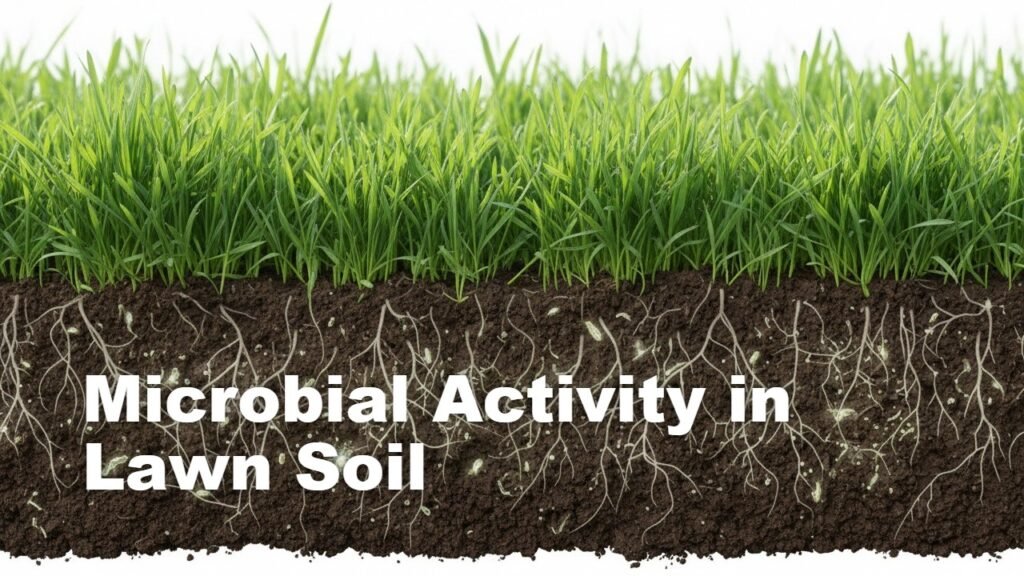
What Is Microbial Activity in Soil?
Microbial activity refers to the presence and function of living organisms within the soil. These organisms include bacteria, fungi, protozoa, and beneficial nematodes. Each group performs a unique role in maintaining soil health.
Microorganisms decompose organic matter and release nutrients in plant-available forms. They also help create soil aggregates that improve structure and aeration. Without active microbes, soil becomes compacted and nutrient-poor.
Strong microbial activity in lawn soil supports consistent turf performance across seasons.
Why Soil Biology Matters for Lawn Health
Healthy turfgrass depends on balanced soil biology. Microorganisms regulate many processes that affect plant growth. When microbial populations remain active, lawns develop deeper roots and stronger resistance to stress.
Key benefits of active soil biology include:
- Improved nutrient availability
- Enhanced root development
- Better moisture retention
- Reduced soil compaction
- Increased disease resistance
Biological health often determines whether turf thrives or struggles under pressure.
The Role of Bacteria in Turf Soil
Bacteria represent the most abundant microorganisms in lawn soil. They break down organic materials and release essential nutrients.
Nutrient Cycling
Bacteria convert nitrogen into plant-available forms. This process allows turf to absorb nutrients efficiently without excessive fertilizer use.
Organic Matter Decomposition
As grass clippings and organic debris decompose, bacteria convert them into usable nutrients. This reduces the need for synthetic inputs and improves soil structure.
High levels of microbial activity in lawn soil depend heavily on balanced bacterial populations.
The Role of Fungi in Root Health
Fungi contribute to soil stability and nutrient transport. Beneficial fungi form symbiotic relationships with plant roots.
Mycorrhizal Associations
Mycorrhizal fungi attach to grass roots and extend their reach into the soil. This increases water and nutrient absorption capacity.
Soil Structure Support
Fungal networks help bind soil particles together. This creates stable aggregates that improve aeration and drainage.
Healthy fungal populations enhance turf resilience during drought and heavy traffic conditions.
How Microbial Activity Improves Nutrient Availability
Nutrients exist in soil in both organic and inorganic forms. Plants can only absorb certain forms directly. Microorganisms convert nutrients into usable forms through biological processes.
This conversion improves efficiency by:
- Reducing nutrient loss
- Increasing fertilizer effectiveness
- Supporting steady growth
- Preventing nutrient lockout
Consistent microbial activity in lawn soil ensures nutrients remain available when turf needs them most.
Microbial Influence on Soil Structure
This YouTube video below from Riogen explains the role of soil microbes in lawn and plant health. It shows how microbes support nutrient cycling and soil structure. The insights help readers understand why living soil is key to long-term growth.
Soil structure affects water movement, oxygen availability, and root penetration. Microorganisms play a major role in maintaining structure.
They produce sticky substances that bind soil particles together. This creates aggregates that allow air and water to move freely.
Well-structured soil supports:
- Deeper root growth
- Improved drainage
- Better moisture retention
- Reduced compaction
Without biological activity, soil becomes dense and restrictive.
Microbial Activity and Disease Resistance
Healthy soil biology helps suppress turf diseases. Beneficial microbes compete with harmful pathogens for resources. Some even produce compounds that inhibit disease organisms.
Lawns with active microbial populations often experience:
- Fewer fungal outbreaks
- Stronger recovery from stress
- Improved resilience after damage
Maintaining microbial activity in lawn soil reduces reliance on chemical treatments.
Factors That Influence Microbial Activity
Several environmental and management factors affect microbial populations. Understanding these factors helps maintain balanced soil biology.
Soil Moisture
Microbes require moisture to function. Extremely dry or waterlogged soil reduces activity levels.
Temperature
Microbial activity increases during moderate temperatures. Extreme heat or cold slows biological processes.
Organic Matter
Organic materials provide food for microorganisms. Compost and grass clippings support population growth.
Chemical Use
Excessive chemical applications can disrupt microbial balance. Responsible use protects soil biology.
Managing these factors supports long-term microbial stability.
Signs of Healthy Microbial Activity in Lawns
You can observe several indicators of strong soil biology.
Healthy lawns often show:
- Dark, crumbly soil
- Strong root systems
- Consistent turf color
- Improved water infiltration
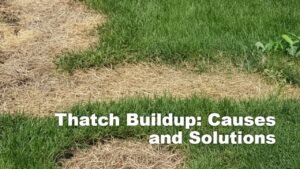
- Reduced thatch buildup
Weak microbial activity often results in compacted soil and poor growth. Monitoring soil condition helps confirm biological health.
How to Improve Microbial Activity in Lawn Soil
This YouTube video below from How To with Doc explains how to improve lawn and garden soil for stronger growth. It covers organic matter, nutrient balance, and soil conditioning. The guidance helps readers build healthier soil for long-term plant success.
Property owners can take practical steps to support soil biology. These practices improve long-term turf performance.
Add Organic Matter
Compost and organic fertilizers provide food for microorganisms. Regular applications increase microbial diversity.
Leave Grass Clippings
Mulching clippings returns nutrients to the soil. This supports natural decomposition cycles.
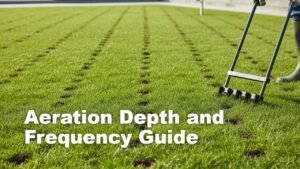
Aerate Compacted Soil
Aeration improves oxygen flow and root penetration. Microbes require oxygen to remain active.
Reduce Chemical Overuse
Use fertilizers and pesticides responsibly. Excessive applications can disrupt beneficial organisms.
Water Properly
Deep, infrequent watering supports microbial activity better than shallow daily watering.
Consistent practices strengthen microbial activity in lawn soil over time.
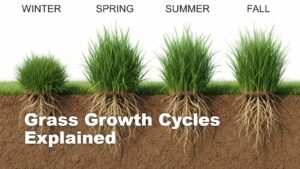
Seasonal Changes in Microbial Activity
Microbial populations fluctuate throughout the year. Temperature and moisture influence biological processes.
Spring
Activity increases as soil warms. Nutrient cycling accelerates during early growth periods.
Summer
High temperatures may reduce microbial efficiency. Proper irrigation helps maintain balance.
Fall
Fall provides ideal conditions for microbial growth. Organic matter breakdown increases nutrient availability.
Winter
Cold temperatures slow biological processes. Activity resumes once soil warms again.
Understanding seasonal patterns helps maintain balanced soil systems.
Organic vs Synthetic Lawn Programs and Microbial Health
Different lawn care programs affect soil biology differently.
Organic programs often support stronger microbial populations through compost and natural amendments. Synthetic programs can maintain turf quality but may require careful management to avoid disrupting soil life.
Balanced approaches often provide the best results for long-term soil health.
Practical Lawn Care Strategies for Biological Health
Property managers can integrate microbial support into routine maintenance.
Recommended strategies include:
- Annual soil testing
- Core aeration
- Compost topdressing
- Balanced fertilization
- Irrigation monitoring
These practices encourage sustainable turf performance and reduce long-term costs.
Frequently Asked Questions
What is microbial activity in lawn soil?
Microbial activity refers to beneficial organisms in soil that break down organic matter and support nutrient cycling.
Does fertilizer affect soil microbes?
Yes. Balanced fertilizer supports microbes, while excessive chemical use may disrupt populations.
How can I increase microbial activity naturally?
Add compost, reduce chemical use, and maintain proper watering practices.
Is microbial activity important for all lawns?
Yes. Healthy soil biology benefits residential and commercial landscapes alike.
How long does it take to improve soil biology?
Improvements often appear within one growing season. Long-term benefits develop over several seasons.
Conclusion
Healthy turf begins below the surface. Soil microorganisms regulate nutrient cycling, improve structure, and strengthen root systems. Without active biological systems, even well-maintained lawns struggle to perform consistently.
Understanding microbial activity in lawn soil allows homeowners and property managers to build resilient turf through smarter soil management. Support soil biology with organic matter, proper watering, and responsible input use to create a lawn that performs reliably across seasons and conditions.