Preventing standing water after irrigation is a fundamental aspect of responsible landscape management for homeowners and property managers. While irrigation keeps lawns and gardens healthy, excess water that lingers on the surface can create serious problems—from soil compaction and root damage to mosquito breeding and foundation risk.
Standing water is usually a sign that irrigation practices, soil conditions, or drainage systems are not functioning properly. By identifying the cause and applying targeted solutions, you can restore proper water flow, protect plant health, and prevent long-term damage to your property.
This comprehensive guide explains the causes of post-irrigation pooling, how to diagnose the issue, and the most effective methods for eliminating standing water.

Why Standing Water After Irrigation Is a Problem
Water should soak into the soil or move away through drainage pathways. When it doesn’t, it creates conditions that can damage landscapes and structures.
Risks of Standing Water
This YouTube video below from KPLC 7 News explains the dangers of stagnant water around homes and communities. It highlights health risks, pests, and property damage. The overview helps readers understand why proper drainage and water flow matter.
- Root rot and plant disease
- Soil compaction and reduced aeration
- Mosquito breeding and pest issues
- Fungal growth in lawns
- Foundation and structural damage
Preventing standing water after irrigation protects both landscape health and property integrity.
Common Causes of Standing Water in Irrigated Landscapes
Standing water typically results from a combination of irrigation practices, soil characteristics, and grading issues.
Overwatering
Applying more water than the soil can absorb is one of the most common causes of pooling.
Poor Soil Drainage
Clay-heavy or compacted soils slow water infiltration and increase surface runoff.
Uneven yard grading
Low spots or depressions trap water instead of allowing it to flow away.
Improper Irrigation Design
Incorrect sprinkler placement or uneven coverage creates water concentration in certain areas.
Blocked Drainage Systems
Clogged drains, pipes, or swales prevent water from moving away efficiently.
How to Diagnose Drainage and Irrigation Issues
Understanding the root cause helps you choose the right solution.
Inspection Checklist
- Observe your yard immediately after irrigation
- Identify areas where water pools or drains slowly
- Check sprinkler head alignment and coverage
- Examine soil type and compaction
- Inspect existing drainage systems
A systematic inspection reveals the underlying issue.
Soil Types and Their Impact on Water Absorption
Different soils handle irrigation water differently.
Soil Drainage Characteristics
- Sandy soil: Fast drainage, low water retention
- Clay soil: Slow drainage, high runoff risk
- Loam soil: Balanced drainage and retention
Improving soil structure is often necessary to prevent pooling.
Irrigation System Adjustments to Prevent Standing Water
Optimizing your irrigation system is one of the most effective solutions.
Adjust Watering Schedules
- Use shorter watering cycles
- Water in early morning hours
- Reduce watering frequency during rainy seasons
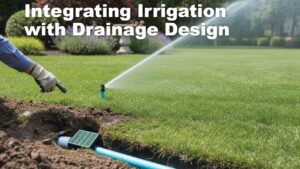
Improve Water Distribution
- Adjust sprinkler heads for even coverage
- Replace damaged or misaligned nozzles
- Install pressure regulators to control flow
Use Efficient Irrigation Methods
- Drip irrigation for garden beds
- Soaker hoses for slow water delivery
- Smart irrigation controllers for automated scheduling
These adjustments reduce excess water application.
Grading Solutions to Improve Water Flow
Yard grading plays a critical role in drainage.
Correcting Slope Issues
Ensure the ground slopes away from structures at a minimum 5% grade.
Filling Low Spots
Add soil to depressions where water collects.
Creating Swales
Shallow channels guide water away from problem areas.
Proper grading helps water move naturally across the landscape.
Drainage Systems to Eliminate Standing Water
In many cases, additional drainage systems are required.
Common Drainage Solutions
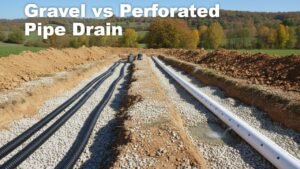
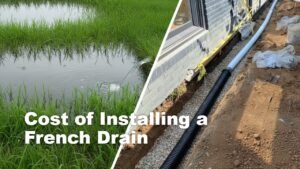
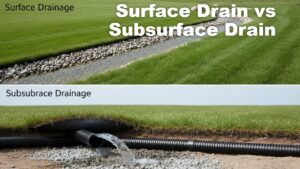
- French drains for subsurface water
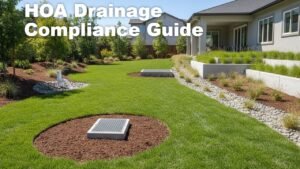
- Channel drains for surface runoff
- Dry wells for water absorption
- Catch basins for collecting excess water
These systems provide controlled water removal.
Landscaping Techniques to Reduce Water Pooling
Landscaping can improve water absorption and reduce runoff.
Effective Landscaping Practices
- Plant deep-rooted vegetation
- Use mulch to retain moisture
- Install ground cover to protect soil
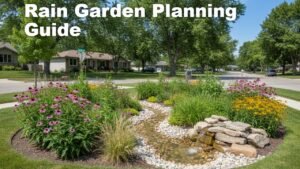
- Create rain gardens to absorb excess water
Healthy landscaping improves soil stability and drainage.
Comparison of Solutions for Preventing Standing Water After Irrigation
| Solution Type | Best For | Cost Level | Maintenance | Effectiveness |
|---|---|---|---|---|
| Irrigation Adjustment | Overwatering issues | Low | Low | Moderate |
| Soil Improvement | Compacted soil | Low to Moderate | Low | High |
| Grading Correction | Uneven yard slopes | Moderate | Low | High |
| Drainage Systems | Severe pooling | Moderate to High | Moderate | Very High |
| Landscaping Enhancements | Long-term control | Moderate | Low | High |
This table helps identify the most appropriate solution.
This YouTube video below from Smith’s Gardentown explains how to fix standing water around your home. It covers grading, gutters, and drainage solutions like French drains. The overview helps readers understand practical steps to solve common yard drainage problems.
Seasonal Maintenance for Irrigation and Drainage Systems
Regular maintenance ensures long-term performance.
Seasonal Checklist
Spring
- Inspect irrigation systems
- Test drainage flow
Summer
- Monitor watering frequency
- Adjust irrigation schedules
Autumn
- Clear debris from drains
- Prepare for rainfall
Winter
- Prevent water accumulation from snowmelt
- Protect irrigation components
Routine checks prevent future issues.
Common Mistakes to Avoid
Avoid these errors when preventing standing water after irrigation:
- Watering too frequently
- Ignoring soil compaction
- Failing to adjust irrigation zones
- Overlooking yard grading issues
- Neglecting drainage maintenance
Correcting these mistakes improves efficiency.
Practical Tips for Homeowners and Property Managers
Use these expert tips for better water management:
- Test soil moisture before watering
- Aerate lawns regularly
- Use mulch to reduce evaporation
- Install rain sensors on irrigation systems
- Monitor runoff after each irrigation cycle
These practices support long-term drainage health.
Cost Considerations and Long-Term Benefits
Investing in proper irrigation and drainage saves money over time.
Benefits of Proper Water Management
- Reduced water bills
- Healthier lawns and plants
- Lower maintenance costs
- Reduced risk of structural damage
- Increased property value
Preventive measures are always more cost-effective than repairs.
When to Hire a Professional
Professional assistance is recommended in certain situations.
Hire a Professional If:
- Standing water persists despite adjustments
- Soil erosion is severe
- Drainage systems need installation
- Large properties require redesign
Professional expertise ensures lasting solutions.
FAQs: Preventing Standing Water After Irrigation
Why does my yard stay wet after watering?
This is usually caused by overwatering, poor drainage, or soil compaction.
Can standing water damage my lawn?
Yes, it can lead to root rot, disease, and soil degradation.
What is the best irrigation system to prevent pooling?
Drip irrigation and properly adjusted sprinkler systems are most effective.
How often should irrigation systems be checked?
At least twice a year and after major changes in weather conditions.
Do I always need a drainage system?
Not always—minor issues can be solved with irrigation adjustments and soil improvement.
Conclusion
Effective preventing standing water after irrigation is essential for maintaining a healthy landscape and protecting your property from water damage. By optimizing irrigation systems, improving soil conditions, correcting yard grading, and installing proper drainage solutions, homeowners and property managers can eliminate pooling and ensure efficient water use.
A proactive approach to water management not only enhances the beauty of your outdoor space but also safeguards your investment for years to come.