Preventive Maintenance Programs for HOAs protect property value, control long-term expenses, and reduce emergency repairs. Associations that operate without a structured maintenance plan often face rising costs, resident complaints, and deferred capital projects. Proactive planning changes that pattern.
HOA boards manage shared assets that include roofs, pavement, irrigation systems, drainage infrastructure, clubhouses, lighting, pools, and landscaping. Each system has a lifecycle. Ignoring that lifecycle leads to avoidable breakdowns.
A structured maintenance strategy allows associations to move from reactive repairs to predictable asset management. Property managers gain clarity. Residents gain confidence. Budgets become more stable.

This guide explains how to design, implement, and optimize a comprehensive maintenance program that works for modern community associations.
Why Preventive Maintenance Matters in HOA Communities
Community associations oversee multimillion-dollar assets. Yet many boards still rely on complaint-driven repairs.
That approach creates three major risks:
- Escalating emergency costs
- Accelerated asset deterioration
- Special assessments due to deferred maintenance
Preventive Maintenance Programs for HOAs shift focus from repair to preservation. Scheduled inspections identify minor issues before they become structural failures.
Consider common HOA components:
- Roofing systems
- Parking lots and asphalt
- Stormwater drainage systems
- Exterior building envelopes
- Elevators and mechanical systems
- Irrigation infrastructure
- Fire safety systems
Each of these assets has measurable wear patterns. Routine inspections extend usable life and reduce replacement frequency.
This YouTube video below from HOA Assist explains what a preventative maintenance plan is and why communities need one. It outlines routine inspections, scheduled repairs, and budget planning. The video serves as a quick reference for long-term property and infrastructure care.
Core Components of Effective Preventive Maintenance Programs for HOAs
A successful program is structured, documented, and tracked.
1. Asset Inventory and Condition Assessment
Start with a full asset inventory. Document:
- Installation dates
- Manufacturer details
- Warranty terms
- Expected lifespan
- Current condition rating
A reserve study provides a baseline. However, preventive maintenance requires more detailed operational tracking.
Boards should perform annual visual inspections and schedule professional evaluations for critical systems.
2. Maintenance Scheduling Framework
Maintenance must follow a predictable calendar.
Create schedules categorized as:
- Monthly inspections
- Quarterly servicing
- Semi-annual system checks
- Annual professional evaluations
Digital maintenance software helps track compliance and service history.
Without a defined schedule, maintenance becomes inconsistent.
3. Budget Integration and Financial Planning
Preventive maintenance only works when tied to financial strategy.
Associations should allocate funds for:
- Routine service contracts
- Minor repairs
- Contingency allowances
- Long-term capital planning
Well-structured Preventive Maintenance Programs for HOAs align operational budgets with reserve planning. This alignment reduces special assessments and improves financial transparency.
4. Vendor Management and Service Agreements
Strong vendor relationships improve maintenance consistency.
Boards should:
- Vet contractors carefully
- Require detailed scopes of work
- Establish performance benchmarks
- Track response times
Service contracts should clearly define inspection frequency and reporting standards.
Common Systems That Require Structured Preventive Maintenance
Roofing Systems
Roof leaks rarely start as visible failures. Small membrane cracks lead to water intrusion and structural damage.
Maintenance should include:
- Annual professional inspections
- Gutter cleaning
- Flashing review
- Sealant integrity checks
Extending roof life by five years can save hundreds of thousands of dollars.
Pavement and Asphalt Surfaces
Parking lots degrade from UV exposure, vehicle loads, and water intrusion.
Routine services include:
- Crack sealing
- Seal coating every 3–5 years
- Drainage inspections
- Surface striping updates
Preventive Maintenance Programs for HOAs help avoid full-depth asphalt replacement prematurely.
Drainage and Stormwater Infrastructure
This YouTube video below from Gurukul of Civil Engineers explains what a stormwater drainage system is and how it works. It outlines key components used in stormwater drainage design to manage runoff effectively. The video serves as a quick reference for understanding urban water management systems.
Poor drainage damages foundations and pavement.
Regular inspections should assess:
- Catch basins
- French drains
- Grading conditions
- Erosion control
Standing water indicates system failure and must be addressed immediately.
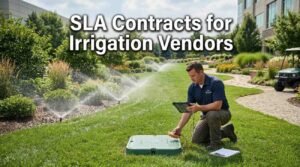
Irrigation Systems
Water waste and turf damage increase when irrigation systems malfunction.
Preventive actions include:
- Seasonal system activation and winterization
- Leak detection
- Pressure testing
- Controller calibration
Efficient irrigation reduces water bills and landscape stress.
Clubhouse and Shared Facilities
Community buildings require attention to:
- HVAC servicing
- Plumbing inspections
- Fire system testing
- Exterior paint and siding
Neglect leads to interior damage and compliance issues.
Sample Preventive Maintenance Schedule for HOAs
| Asset/System | Frequency | Key Tasks | Responsible Party |
|---|---|---|---|
| Roofing | Annual | Inspection, flashing review | Roofing Contractor |
| Asphalt/Parking Lots | 3–5 Years | Seal coating, crack sealing | Pavement Vendor |
| Irrigation System | Seasonal | Activation, leak detection | Landscape Company |
| Drainage Systems | Semi-Annual | Catch basin cleaning | Maintenance Crew |
| HVAC (Clubhouse) | Bi-Annual | Filter replacement, system inspection | HVAC Contractor |
| Fire Safety Systems | Annual | Testing and certification | Licensed Vendor |
This structure keeps accountability clear and ensures no asset is overlooked.
Benefits of Preventive Maintenance Programs for HOAs
Proactive maintenance delivers measurable returns.
Cost Control
Small repairs cost significantly less than emergency replacements. Budget stability improves when maintenance follows a plan.
Extended Asset Lifespan
Routine servicing delays capital replacement cycles. Associations preserve infrastructure longer.
Risk Mitigation
Water intrusion, trip hazards, and structural issues create liability exposure. Preventive inspections reduce safety risks.
Higher Property Values
Well-maintained communities attract buyers. Market perception improves when assets look cared for.
Improved Resident Satisfaction
Residents notice consistent upkeep. Complaints decline when systems function properly.
Steps to Implement Preventive Maintenance Programs for HOAs
Boards often struggle with execution. Follow this structured rollout plan.
Step 1: Conduct a Full Property Audit
Walk the entire property. Document deficiencies with photos. Prioritize safety risks first.
Step 2: Align With Reserve Study Data
Compare current conditions with reserve projections. Adjust timelines if assets show accelerated wear.
Step 3: Develop a 12-Month Maintenance Calendar
Assign each system a defined inspection window.
Step 4: Secure Board Approval
Present cost projections and long-term savings estimates. Demonstrate financial impact clearly.
Step 5: Monitor and Document Performance
Track vendor reports and maintenance logs. Documentation protects the association in liability claims.
Technology Tools That Improve HOA Maintenance Oversight
Modern associations use digital solutions for:
- Work order tracking
- Vendor management
- Maintenance reminders
- Document storage
- Budget forecasting
Cloud-based platforms improve transparency between property managers and board members.
Data-driven tracking strengthens Preventive Maintenance Programs for HOAs by turning maintenance into measurable performance metrics.
Common Mistakes HOAs Make
Many associations fail despite good intentions.
Avoid these pitfalls:
- Deferring maintenance to balance budgets
- Ignoring inspection documentation
- Relying solely on reactive repairs
- Failing to update reserve studies
- Hiring vendors without performance metrics
Deferred maintenance compounds costs quickly.
Budgeting Strategy for Long-Term Success
Maintenance planning must connect to financial modeling.
Boards should:
- Review maintenance costs annually
- Adjust reserve contributions as assets age
- Plan inflation increases
- Maintain contingency buffers
Strong Preventive Maintenance Programs for HOAs create predictable expense curves rather than sudden spikes.
How Preventive Maintenance Supports Legal and Insurance Protection
Insurance carriers increasingly evaluate maintenance practices.
Documented inspections demonstrate responsible governance. Courts often assess whether boards exercised “reasonable care” in maintaining common areas.
Failure to maintain property can expose associations to negligence claims.
Structured preventive programs reduce that exposure significantly.
Preventive vs Reactive Maintenance Comparison
| Factor | Preventive Maintenance | Reactive Maintenance |
|---|---|---|
| Cost Predictability | High | Low |
| Emergency Repairs | Rare | Frequent |
| Asset Lifespan | Extended | Shortened |
| Resident Satisfaction | Higher | Lower |
| Legal Risk | Reduced | Elevated |
The financial and operational difference is substantial.
Frequently Asked Questions
What are Preventive Maintenance Programs for HOAs?
They are structured plans that schedule inspections and servicing of community assets to prevent costly repairs.
How often should an HOA update its maintenance plan?
Boards should review plans annually and update them after major capital projects.
Does preventive maintenance reduce reserve contributions?
It can extend asset life, which may adjust replacement timelines. However, reserves must still remain adequately funded.
Who is responsible for implementing the program?
The board approves the plan. Property managers oversee execution. Vendors perform scheduled services.
What software helps manage HOA maintenance?
Many property management platforms offer maintenance tracking modules that centralize reporting and scheduling.
Conclusion
Preventive Maintenance Programs for HOAs create financial stability, protect shared assets, and reduce long-term risk. Associations that embrace proactive planning avoid emergency expenses and preserve property value. Structured scheduling, vendor accountability, and consistent documentation form the foundation of sustainable community management.
Communities that invest in prevention today avoid crisis tomorrow. Explore how a structured maintenance strategy can transform your association’s financial health and operational performance.