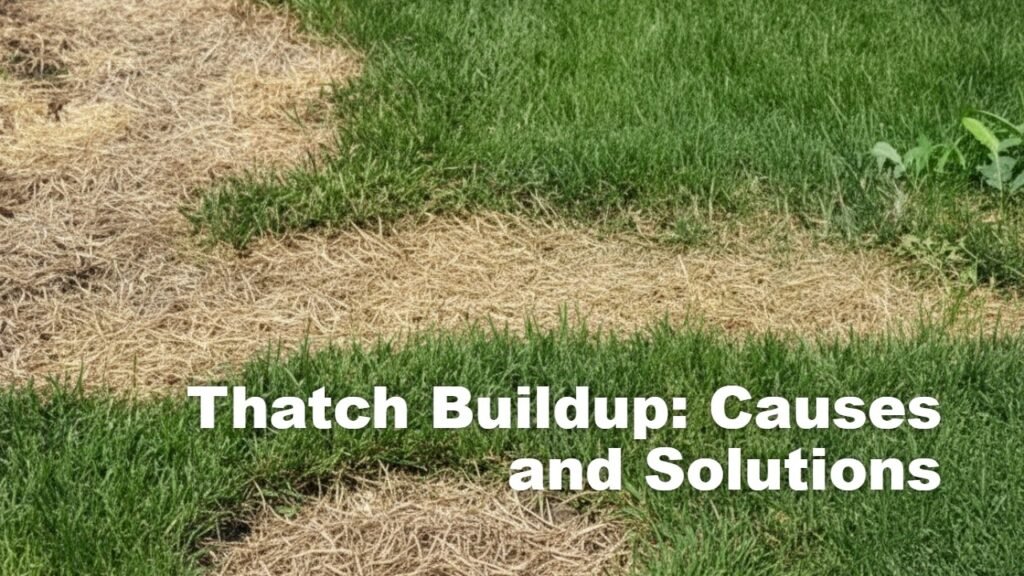
Thatch buildup is one of the most misunderstood lawn problems homeowners and property managers face. Many people notice a spongy lawn surface or poor water absorption but fail to identify the root issue. Over time, organic debris accumulates between grass blades and soil. That layer restricts water, nutrients, and oxygen from reaching roots.
Unchecked thatch buildup slowly weakens turf health and increases disease risk. A lawn may appear green at the surface while struggling below. Understanding what causes thatch and how to manage it prevents long-term turf decline. Proper diagnosis allows property managers to correct issues before expensive repairs become necessary.
This guide explains what thatch buildup is, why it forms, and how to fix it. You will also learn when intervention becomes necessary and how to prevent recurrence.
What Is Thatch and Why It Matters
This YouTube video below from Turf Mechanic explains what lawn thatch is, how it looks, and why excess buildup harms grass. It shows how thatch blocks water and nutrients from reaching roots. The overview helps readers manage thatch for healthier turf.
Thatch is a layer of organic material that forms between the soil and grass blades. It consists of roots, stems, and decomposing plant matter. A thin layer benefits turf by protecting soil and conserving moisture. Problems begin when thatch buildup exceeds about half an inch.
Excess thatch acts like a barrier. Water sits on the surface instead of reaching roots. Fertilizer remains trapped above the soil. Grass becomes more vulnerable to heat stress and disease.
Healthy lawns maintain a balance between growth and decomposition. When that balance shifts, thatch accumulation accelerates.
Signs Your Lawn Has Thatch Buildup
Property managers often miss early warning signs. Regular inspections help detect issues before turf declines.
Common indicators include:
- A spongy or springy lawn surface
- Water runoff during irrigation
- Patchy growth despite fertilization
- Increased insect activity
- Shallow root systems
- Brown areas that persist after watering
Cutting a small section of turf reveals the thatch layer. Measure the thickness between soil and grass. Anything over half an inch requires attention.
Primary Causes of Thatch Buildup
This YouTube video below from Turf Mechanic Briefs explains what causes thatch buildup in a lawn. It shows how excess organic matter and poor breakdown create thick layers. The insights help readers manage thatch for healthier turf growth.
Understanding causes helps prevent recurring problems. Thatch buildup rarely results from a single factor. Most cases develop from a combination of maintenance habits and environmental conditions.
Excessive Fertilization
Heavy nitrogen fertilization speeds grass growth. Rapid growth produces more stems and roots. Soil microbes struggle to break down the extra organic matter.
Over time, thatch accumulates faster than it decomposes. Many lawns with chronic thatch buildup receive too much fertilizer.
Frequent Shallow Watering
Light, frequent watering encourages shallow roots. Shallow roots create dense surface growth. That growth contributes to thatch buildup.
Deep watering supports deeper roots and microbial activity. Proper irrigation reduces organic debris accumulation.
Poor Soil Microbial Activity
Soil microbes break down organic material. Compacted or unhealthy soil limits microbial populations. Without active microbes, thatch decomposes slowly.
Several factors reduce microbial activity:
- Soil compaction
- Poor drainage
- Chemical overuse
- Low organic matter in soil
Healthy soil supports faster decomposition and prevents excessive thatch buildup.
Grass Type and Growth Habits
Some grass species produce more thatch. Warm-season grasses like Bermuda and zoysia create dense growth. Cool-season grasses can also develop thatch under high fertility conditions.
Fast-spreading grasses often produce thick stem layers. Those stems contribute heavily to thatch buildup.
Improper Mowing Practices
Mowing too high or too infrequently leaves excess clippings. Thick clippings add to surface organic matter. Contrary to myth, short clippings rarely cause thatch.
Problems occur when large clumps remain on the surface. Consistent mowing keeps growth balanced and manageable.
How Thatch Buildup Affects Lawn Health
Ignoring thatch buildup leads to multiple turf problems. Surface symptoms often appear gradually.
Reduced Water Penetration
Thatch blocks water movement into soil. Irrigation becomes less effective. Roots struggle to access moisture even during regular watering.
Water runoff increases and wastes resources. Lawns may appear dry despite irrigation.
Nutrient Deficiencies
Fertilizer cannot reach root zones when thatch is thick. Nutrients remain trapped above the soil. Turf becomes weak and discolored.
Repeated fertilization may worsen the issue instead of fixing it.
Increased Pest and Disease Risk
Thatch creates a moist environment for pests. Insects and fungal pathogens thrive in that layer. Turf diseases become more frequent and harder to control.
Dense thatch also shelters grubs and harmful insects.
Poor Root Development
Roots struggle to grow through thick thatch. Instead of reaching soil, they remain near the surface. Shallow roots make grass vulnerable to heat and drought.
Weak root systems lead to long-term lawn decline.
Measuring Thatch Thickness Correctly
Accurate measurement guides treatment decisions. Use a small shovel or soil probe to remove a plug of turf. Examine the layer between grass and soil.
A healthy lawn typically has less than half an inch of thatch. Anything thicker requires management. Severe cases exceed one inch and need aggressive treatment.
Regular inspections help track changes over time.
Effective Solutions for Thatch Buildup
Correcting thatch buildup requires a combination of mechanical and cultural practices. Treatment depends on severity and lawn type.
Core Aeration
Core aeration removes small plugs of soil. This process reduces compaction and improves airflow. Microbes become more active and break down organic matter.
Aeration also allows water and nutrients to reach roots. Many lawns benefit from annual aeration.
Dethatching
Mechanical dethatching removes excess organic debris. A dethatching rake or machine pulls thatch from the surface.
Best practices include:
- Perform during active growth periods
- Avoid extreme heat
- Water lightly before treatment
- Remove debris after dethatching
Dethatching can stress turf temporarily. Proper timing ensures faster recovery.
Vertical Mowing
Vertical mowing cuts into the thatch layer. This method is effective for severe thatch buildup. Specialized equipment slices through dense organic material.
Professional services often perform vertical mowing on large properties.
Soil Health Improvement
Healthy soil accelerates decomposition. Improving soil biology reduces future thatch accumulation.
Key strategies include:
- Adding compost
- Reducing chemical overuse
- Improving drainage
- Encouraging microbial activity
Balanced soil supports natural breakdown of organic debris.
Adjusting Fertilization Practices
Apply fertilizer based on soil testing. Avoid excessive nitrogen. Slow-release products provide steady growth without overproduction of stems.
Balanced nutrition reduces thatch buildup risk.
Proper Watering Techniques
Deep, infrequent watering encourages deep roots. Strong roots help maintain healthy soil structure.
Avoid daily shallow watering. Adjust irrigation based on weather and soil conditions.
Mowing Adjustments
Maintain correct mowing height for your grass type. Remove only one-third of blade height at a time.
Sharp blades create clean cuts and reduce stress. Regular mowing prevents excessive organic accumulation.
Preventing Future Thatch Buildup
Prevention is easier than correction. Consistent maintenance keeps thatch at manageable levels.
Property managers should focus on long-term lawn health. Prevention strategies include:
- Annual soil testing
- Scheduled aeration
- Balanced fertilization
- Proper irrigation
- Seasonal inspections
Monitoring turf conditions helps catch problems early.
Seasonal Timing for Thatch Control
Timing affects treatment success. Dethatching during active growth ensures faster recovery.
Cool-season grasses respond best in early fall or spring. Warm-season grasses recover well in late spring or early summer.
Avoid dethatching during extreme heat or drought. Stress conditions slow recovery and damage turf.
Tools and Equipment for Thatch Removal
Different tools suit different property sizes. Small lawns may require manual tools. Large landscapes often need mechanical equipment.
Common options include:
- Dethatching rakes
- Power dethatchers
- Core aerators
- Vertical mowers
Choosing the right tool ensures effective removal without damaging turf.
Cost Considerations for Property Managers
Budget planning matters for large landscapes. Thatch management costs vary by lawn size and severity.
Professional dethatching services may charge per square foot. Aeration services add additional costs.
Preventive maintenance often costs less than major restoration. Early action reduces long-term expenses.
FAQs About Thatch Buildup
How much thatch is too much?
More than half an inch indicates excessive thatch buildup and requires management.
Does leaving grass clippings cause thatch?
Short clippings break down quickly and rarely cause problems. Thick clumps contribute to buildup.
How often should dethatching occur?
Most lawns need dethatching every one to three years. Frequency depends on growth rate and maintenance practices.
Can thatch buildup kill grass?
Severe thatch buildup restricts water and nutrients. Over time, turf health declines and may die.
Is aeration enough to fix thatch?
Mild cases respond to aeration alone. Severe cases require dethatching or vertical mowing.
Conclusion
Thatch buildup threatens lawn health when left unmanaged. Excess organic material blocks water, nutrients, and airflow. Over time, turf weakens and becomes vulnerable to stress and disease.
Property managers and homeowners must monitor turf conditions regularly. Early detection prevents costly restoration. Aeration, proper watering, and balanced fertilization keep thatch under control.
Consistent maintenance creates healthier soil and stronger roots. A well-managed lawn resists thatch buildup and recovers faster from stress. Smart prevention strategies protect both appearance and long-term landscape value.