Western USA drought planning guide strategies have become essential for homeowners and property managers across arid and semi-arid states. Persistent drought cycles, shrinking reservoirs, and strict water regulations now shape how landscapes must be managed. Traditional watering schedules no longer work in regions facing long dry seasons and water restrictions.
Property owners must plan for limited water availability, higher utility costs, and changing climate patterns. A structured approach helps maintain landscape health while meeting conservation goals.
This Western USA drought planning guide explains how to manage irrigation, select plants, improve soil, and build resilient landscapes that thrive even during extended drought periods.
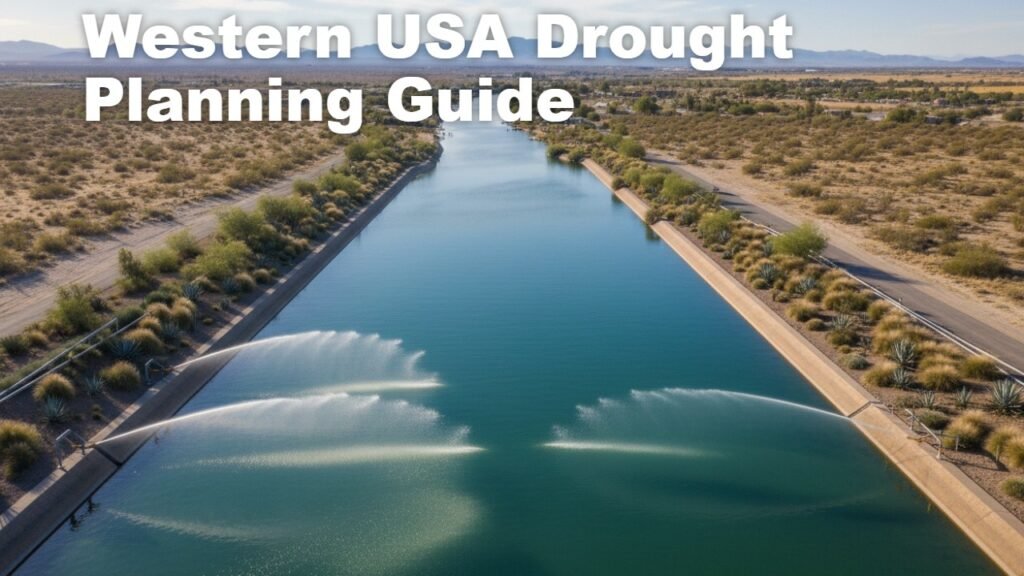
Understanding Drought Conditions in the Western USA
The western United States includes regions such as California, Arizona, Nevada, Colorado, Utah, and parts of New Mexico and Oregon. These areas experience limited rainfall and high evaporation rates.
Many regions rely on snowpack and reservoirs for water supply. When snowpack declines, water restrictions increase.
A Western USA drought planning guide must account for:
- Low annual rainfall
- High summer temperatures
- Limited water allocations
- Strict irrigation regulations
Understanding these conditions allows property owners to prepare proactively.
Key Drought Challenges for Landscapes
Water Restrictions
Municipalities often limit irrigation days and hours. Some regions enforce tiered pricing or drought surcharges.
Soil Moisture Loss
Hot, dry air accelerates evaporation. Soil dries quickly, especially in sandy or compacted areas.
Turf Stress
Cool-season grasses struggle under drought conditions. Brown lawns often result from insufficient moisture.
Rising Water Costs
Scarcity increases water prices. Efficient irrigation becomes a financial necessity.
These factors shape a comprehensive Western USA drought planning guide.
Drought-Resilient Landscape Design
Landscape design strongly influences water use.
Reduce High-Water Turf Areas
Large lawns require significant irrigation. Replacing portions with drought-tolerant plants reduces demand.
Use Native and Xeric Plants
This YouTube video below from nmsuaces explains how to choose plants for a xeriscape garden. It highlights drought-tolerant species and smart plant placement for water savings. The video serves as a quick reference for low-water landscape planning.
Native plants adapt to local climate conditions. Xeriscaping focuses on low-water species.
Examples include:
- Ornamental grasses
- Desert shrubs
- Succulents
- Groundcovers
Group Plants by Water Needs
Hydrozoning places plants with similar water requirements together. Efficient zoning prevents overwatering.
Design adjustments form the foundation of drought planning.
Soil Improvement for Water Retention
Healthy soil holds moisture longer.
Add Organic Matter
Compost improves soil structure and retention. Organic matter increases infiltration and reduces runoff.
Apply Mulch
Mulch reduces evaporation and stabilizes soil temperature. A two-to-three-inch layer helps conserve water.
Aerate Compacted Soil
Aeration improves root oxygen and water penetration.
Soil improvement supports long-term drought resilience.
Efficient Irrigation Techniques
This YouTube video below from Bayer Global explains how drip irrigation systems support effective plant watering. It highlights slow, targeted watering that reduces waste and improves root health. The video serves as a quick reference for efficient irrigation practices.
An effective Western USA drought planning guide prioritizes efficiency.
Drip Irrigation Systems
Drip irrigation delivers water directly to plant roots. This method minimizes evaporation and runoff.
Smart Irrigation Controllers
Weather-based controllers adjust watering based on local conditions. They prevent unnecessary irrigation during cool periods.
Soil Moisture Sensors
Sensors ensure watering occurs only when soil moisture drops below target levels.
Pressure Regulation
Correct pressure prevents misting and overspray. Proper pressure improves distribution uniformity.
Efficient systems reduce water use while maintaining plant health.
Seasonal Drought Planning
Water demand varies throughout the year.
Spring Planning
Spring rainfall may reduce irrigation needs. Adjust schedules based on rainfall totals.
Summer Planning
Summer represents peak water demand. Increase watering depth rather than frequency.
Fall Planning
Gradually reduce watering as temperatures decline.
Winter Planning
Many western regions require minimal irrigation in winter. Monitor for dry periods.
Seasonal adjustments strengthen a Western USA drought planning guide.
Water Budgeting and Allocation
Water budgeting helps control usage.
Calculate Weekly Needs
Most landscapes require about one inch of water weekly during peak season. Include rainfall in calculations.
Track Usage
Monitor monthly water bills and irrigation output. Identify areas of excess consumption.
Set Reduction Goals
Aim to reduce water use by 10–20 percent through efficiency upgrades.
Budgeting supports long-term conservation.
Regional Drought Comparison Table
| Region | Average Rainfall | Drought Risk | Planning Priority |
|---|---|---|---|
| Southern California | Low | High | Xeriscaping |
| Arizona | Very low | Extreme | Drip irrigation |
| Nevada | Very low | Extreme | Water budgeting |
| Colorado | Moderate | High | Seasonal adjustments |
| Utah | Low | High | Soil improvement |
| Pacific Northwest | Moderate | Moderate | Summer planning |
This table helps guide drought planning across regions.
Water Conservation Strategies
Adopting conservation habits improves resilience.
- Install high-efficiency sprinkler heads
- Water early in the morning
- Fix leaks immediately
- Replace turf with native plants
- Use rainwater harvesting where allowed
- Adjust schedules monthly
Small changes produce measurable savings.
Technology for Drought Monitoring
Modern tools improve planning accuracy.
Weather Stations
Local weather stations provide rainfall and temperature data.
Smart Meters
Smart meters track water use in real time. Property managers can identify unusual spikes.
Remote Irrigation Management
Remote systems allow schedule adjustments from mobile devices.
Technology supports proactive drought management.
Financial Benefits of Drought Planning
Efficient water use reduces operating costs. Lower consumption leads to smaller utility bills.
Avoiding landscape replacement costs also saves money. Healthy plants withstand drought better when managed properly.
A structured Western USA drought planning guide protects both budgets and landscapes.
Maintenance Best Practices
Routine maintenance ensures system efficiency.
Monthly Checks
Inspect sprinkler heads, valves, and controllers. Repair leaks promptly.
Seasonal Audits
Professional audits identify inefficiencies and coverage gaps.
Winter Preparation
Drain systems where freezing occurs. Protect exposed components.
Maintenance extends system lifespan.
Practical Action Plan
This YouTube video below from joegardenerTV explains five key steps for building a drought-tolerant landscape. It covers plant choice, soil prep, mulch, and efficient watering methods. The video serves as a quick reference for creating a low-water outdoor space.
Follow these steps to improve drought readiness:
- Evaluate current irrigation system
- Install smart controllers
- Add mulch to plant beds
- Replace high-water plants
- Monitor water bills
- Adjust schedules seasonally
- Improve soil health
Consistent action strengthens drought resilience.
Environmental Impact
Conserving water protects regional reservoirs and ecosystems. Reduced runoff lowers pollution in rivers and lakes.
Responsible irrigation supports long-term sustainability.
FAQs About Western USA Drought Planning Guide
How often should landscapes be watered during drought?
Water deeply but less frequently. Monitor soil moisture to avoid overwatering.
Is drip irrigation better than sprinklers?
Drip irrigation reduces evaporation and delivers water directly to roots.
Can native plants survive drought without irrigation?
Many native plants tolerate drought but still benefit from occasional deep watering.
Are smart controllers worth the investment?
Yes. They reduce water use and improve scheduling accuracy.
How can property managers reduce water costs?
Upgrade systems, monitor usage, and implement drought-tolerant landscaping.
Conclusion
Western USA drought planning guide strategies remain essential for maintaining landscapes in water-limited environments. Rising temperatures, stricter regulations, and recurring drought cycles demand efficient irrigation and thoughtful design.
Homeowners and property managers who adopt drought-resilient practices reduce water use, protect plant health, and control costs.
Review your irrigation system, upgrade inefficient components, and implement drought-focused strategies to ensure your landscape remains strong even during the driest seasons.