Flood prevention landscaping techniques protect homes, commercial properties, and surrounding soil from costly water damage. Poor drainage leads to foundation cracks, soil erosion, plant loss, and standing water. Strategic Landscape Design reduces these risks before they become structural problems.
Homeowners and property managers often focus on aesthetics first. Water control must come before visual design. A well-planned yard manages rainfall efficiently and directs runoff away from buildings.
This guide explains proven methods to control stormwater, improve soil absorption, and prevent pooling. You will learn grading strategies, drainage systems, plant selection, and long-term maintenance practices.
Why Landscape Design Matters for Flood Prevention
This YouTube video below from ExpertRealEstateTips explains why landscaping choices matter during floods or drought. It shows how design affects water flow, soil health, and property protection. The overview helps readers understand the link between landscaping and climate resilience.
Rainfall does not cause flooding alone. Improper drainage creates most problems. Compacted soil, poor grading, and excessive hardscape increase runoff.
When water cannot infiltrate soil, it moves quickly toward foundations. Over time, repeated saturation weakens structures.
Flood prevention landscaping techniques slow water movement, encourage infiltration, and protect property value.
Understanding Surface Water and Runoff
Effective drainage begins with understanding water behavior.
Runoff vs. Infiltration
Runoff occurs when water flows across the surface instead of soaking in. Infiltration happens when soil absorbs rainfall.
Clay-heavy soil slows infiltration. Compacted soil reduces absorption capacity. Slope direction determines where water collects.
Common Drainage Issues
- Pooling near foundations
- Erosion along slopes
- Saturated planting beds
- Basement moisture
- Cracked driveways
Flood prevention landscaping techniques address these issues through proper grading and water diversion.
Grading and Slope Correction
Correct grading is the first defense against flooding.
Positive Slope Away from Structures
Soil should slope away from foundations at least 5 percent for the first 10 feet. This directs water outward rather than inward.
Regrading Low Spots
Low spots collect water. Adding topsoil and compacting properly improves surface flow.
Managing Steep Slopes
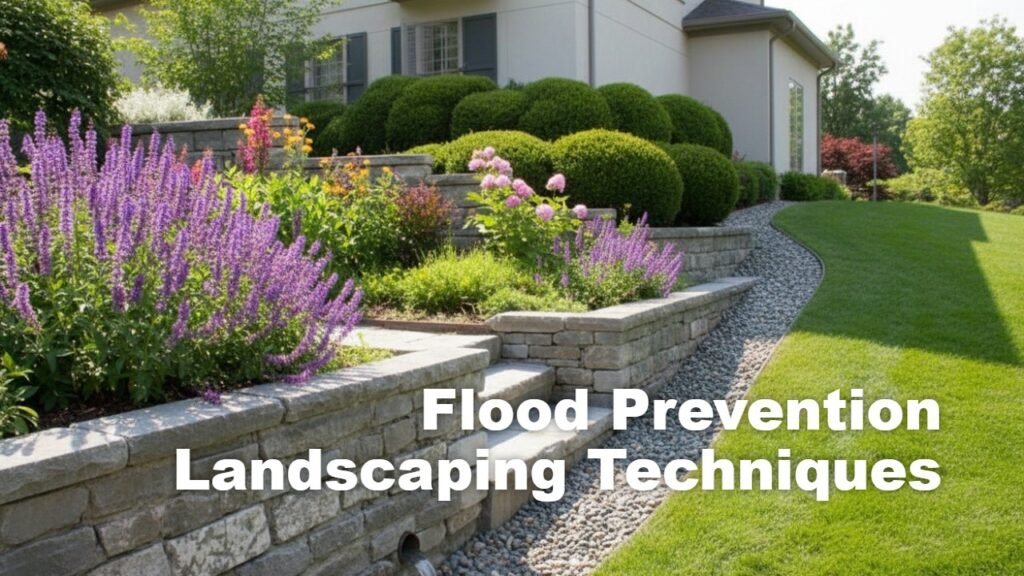
Terracing reduces water speed on steep areas. Retaining Walls and stepped beds prevent erosion.
Proper grading forms the backbone of flood prevention landscaping techniques.
Rain Gardens and Bioretention Areas
This YouTube video below from OklahomaGardening shows how bioretention areas and rain gardens manage stormwater runoff. It explains plant selection, soil layers, and water filtration. The overview helps readers understand natural drainage solutions for landscapes.
Rain gardens manage runoff naturally.
How Rain Gardens Work
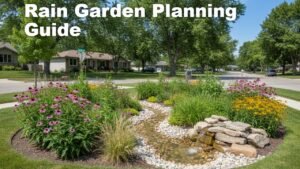
Rain gardens are shallow depressions planted with deep-rooted vegetation. They collect stormwater and allow gradual infiltration.
Ideal Locations
Install rain gardens:
- Near downspouts
- At the end of slopes
- In low yard areas
Plant Selection
Use native plants with strong root systems. Deep roots improve soil structure and water absorption.
Rain gardens represent one of the most effective flood prevention landscaping techniques for residential properties.
Permeable Hardscape Solutions
Hard surfaces increase runoff. Replacing them with permeable materials improves drainage.
Permeable Pavers
Permeable pavers allow water to seep between joints into gravel bases below.
Gravel Driveways
Gravel surfaces absorb water better than solid concrete.
Porous Concrete
Porous concrete allows water to drain through the material itself.
These options reduce runoff while maintaining functional surfaces.
French Drains and Subsurface Drainage
This YouTube video below from Practical Engineering explains how French drains move water through subsurface systems. It breaks down gravel layers, perforated pipes, and flow mechanics. The overview helps readers understand the science behind effective underground drainage.
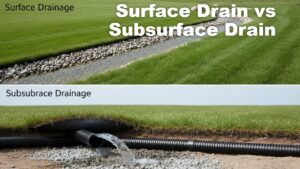
When surface solutions are not enough, subsurface systems help.
What Is a French Drain?
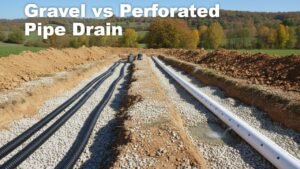
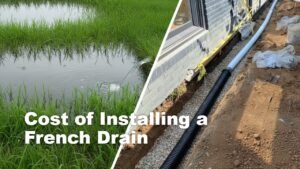
A French drain consists of a perforated pipe surrounded by gravel. It collects groundwater and directs it away from structures.
Installation Considerations
Install drains:
- Along foundation edges
- In persistently wet areas
- At the base of slopes
French drains complement other flood prevention landscaping techniques.
Swales and Drainage Channels
Swales are shallow channels designed to direct water safely.
Vegetated Swales
Grass-lined swales slow water flow and prevent erosion.
Rock-Lined Swales
Rock channels resist heavy flow and reduce soil displacement.
Swales guide runoff toward designated drainage areas rather than allowing uncontrolled spread.
Soil Improvement for Better Drainage
Soil condition affects water absorption.
Aeration
Core aeration reduces compaction and improves infiltration.
Organic Matter
Adding compost increases soil structure and water retention balance.
Avoid Over-Compaction
Heavy equipment compacts soil and reduces permeability.
Improving soil quality enhances the effectiveness of flood prevention landscaping techniques.
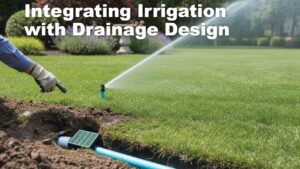
Downspout Extensions and Water Diversion
Roof runoff contributes significant water volume.
Downspout Extensions
Extend downspouts at least 6 feet away from foundations.
Splash Blocks
Splash blocks direct water away from building walls.
Underground Drain Lines
Buried drain pipes move roof water to designated drainage areas.
Roof water management plays a critical role in flood prevention landscaping techniques.
Comparing Flood Control Methods
| Technique | Best For | Cost Level | Maintenance Level | Effectiveness |
|---|---|---|---|---|
| Regrading | Foundation protection | Moderate | Low | High |
| Rain Gardens | Surface runoff | Moderate | Medium | High |
| French Drains | Persistent pooling | High | Low | High |
| Permeable Pavers | Driveways & patios | High | Medium | High |
| Swales | Large yards | Low | Low | Moderate |
| Soil Aeration | Compacted soil | Low | Medium | Moderate |
This comparison helps property owners select the right flood prevention landscaping techniques based on site conditions.
Maintenance for Long-Term Protection
Drainage systems require upkeep.
Maintenance tasks include:
- Clearing debris from drains
- Inspecting downspouts
- Refreshing mulch in rain gardens
- Monitoring soil compaction
- Repairing erosion promptly
Consistent inspection preserves system effectiveness.
Common Mistakes to Avoid
Even good intentions can lead to problems.
Ignoring Slope Direction
Improper grading may redirect water toward structures.
Installing Hardscape Without Drainage Planning
Solid concrete without drainage increases runoff.
Overwatering Landscapes
Excess irrigation compounds stormwater issues.
Avoiding these mistakes strengthens flood prevention landscaping techniques.
Practical Implementation Checklist
Follow these steps:
- Evaluate yard slope and drainage patterns
- Identify pooling areas
- Improve soil infiltration
- Install rain gardens or swales
- Extend downspouts
- Add subsurface drainage if needed
Systematic planning prevents structural damage and erosion.
FAQs
How can landscaping prevent flooding?
Proper grading, drainage systems, and permeable surfaces slow water movement and encourage infiltration.
Are rain gardens effective for heavy rainfall?
Yes. Rain gardens absorb runoff gradually and reduce surface pooling.
Do permeable pavers require maintenance?
Yes. Regular cleaning prevents clogging and maintains permeability.
Can French drains solve basement flooding?
They help redirect groundwater but must be installed correctly.
How often should drainage systems be inspected?
Inspect at least twice per year and after major storms.
Conclusion
Managing stormwater requires thoughtful planning and proactive design. Flood prevention landscaping techniques protect foundations, reduce erosion, and improve property resilience. Combining grading, rain gardens, permeable surfaces, and drainage systems creates layered protection.
Homeowners and property managers who invest in proper drainage design reduce long-term repair costs and maintain healthier landscapes. Evaluate your property’s water flow patterns today and implement strategic solutions that safeguard your investment and enhance environmental sustainability.